Dawn
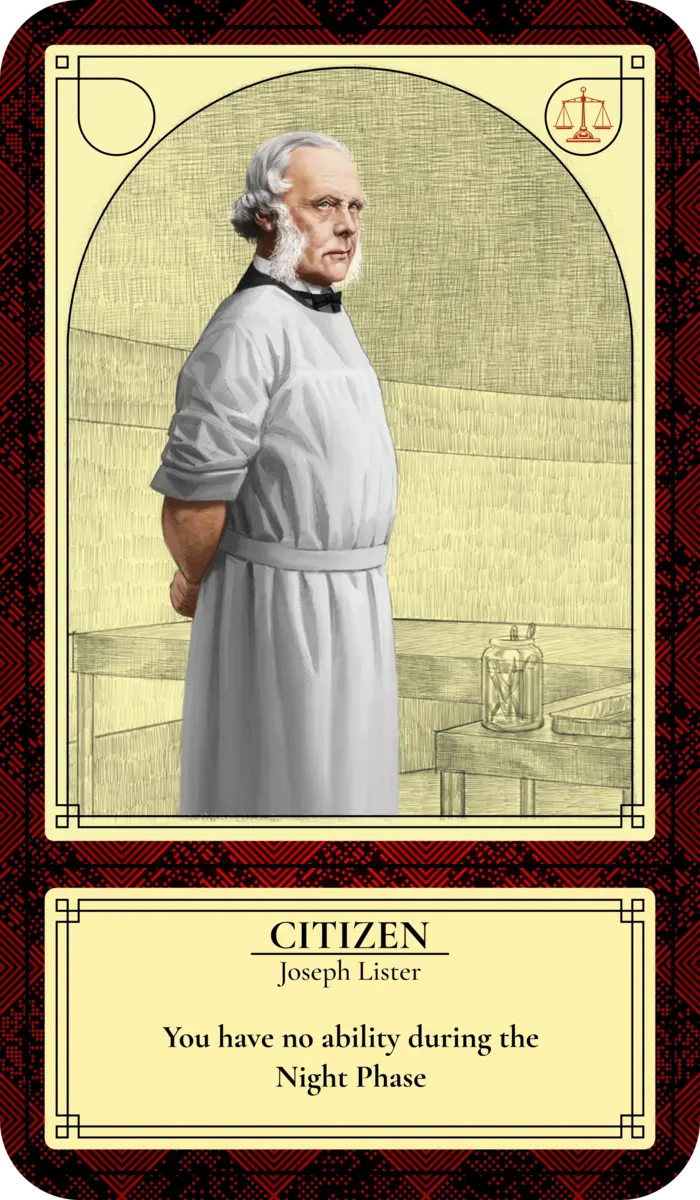
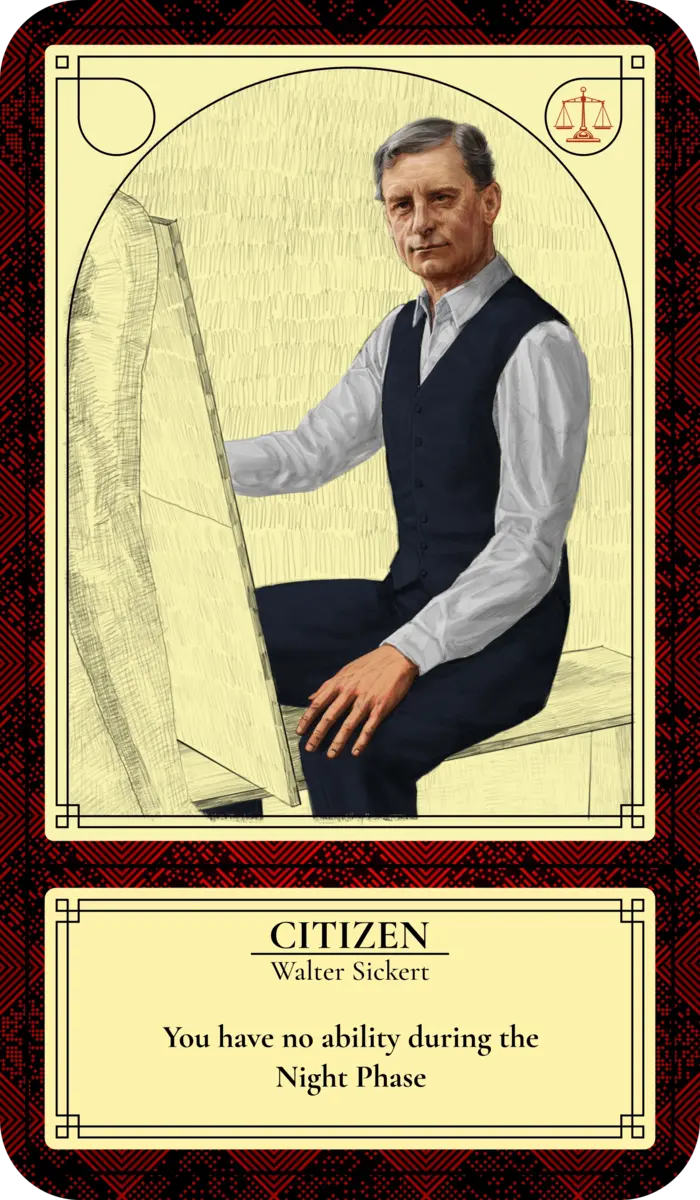
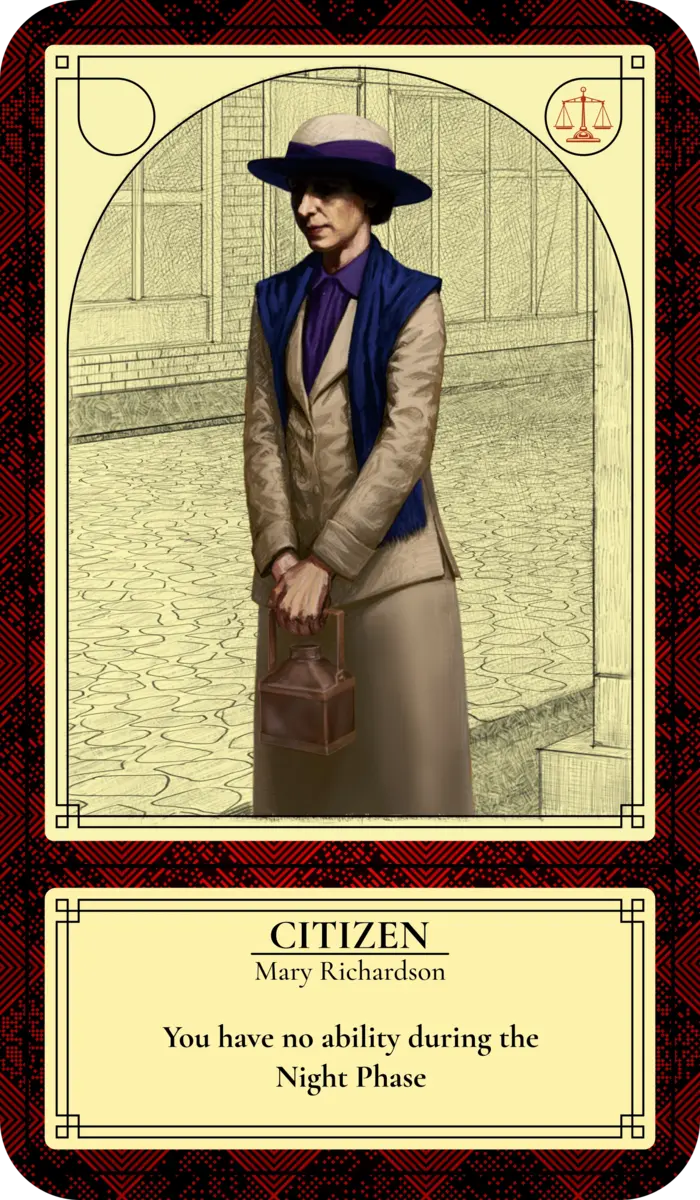
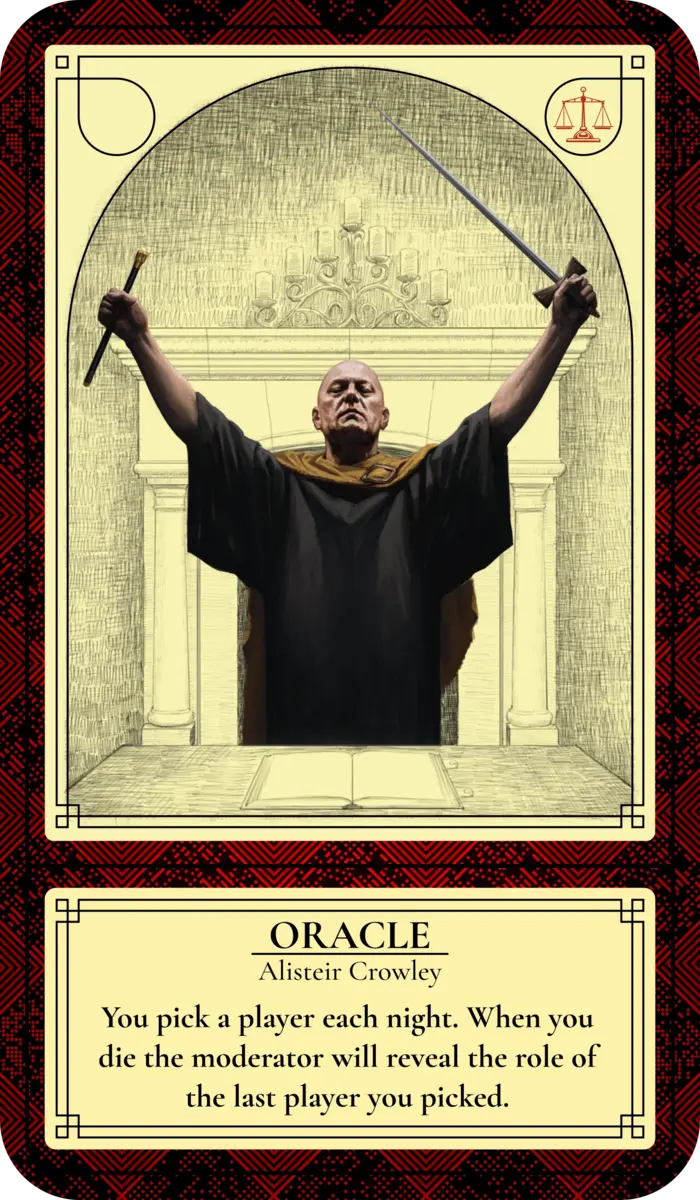
The day opens with the moderator's announcement: who died in the night, if anyone. The living get names, never roles — unless a specific card forces a reveal, and that text is printed on the card itself. The dead are out of the conversation from this moment. They do not speak, they do not flash their card, and they do not make faces. They may watch, and watching a table hunt the wrong person while you know the truth is its own kind of entertainment.
One caveat if you are playing with the expansion roles in The Final Witness: the dead are not done with the game. They keep closing their eyes at night along with everyone else, and on the last day of lynching they return for one moment — a collective vote the dead cast together toward that final lynching. It is the moment that gives the deck its name.
A night where nobody died is not a night to skip past. It means the Doctor's save landed, the hunt missed, or a killer chose not to point — and the table gets to argue about which. The moderator makes the announcement either way. Then the floor is open.
The floor is open
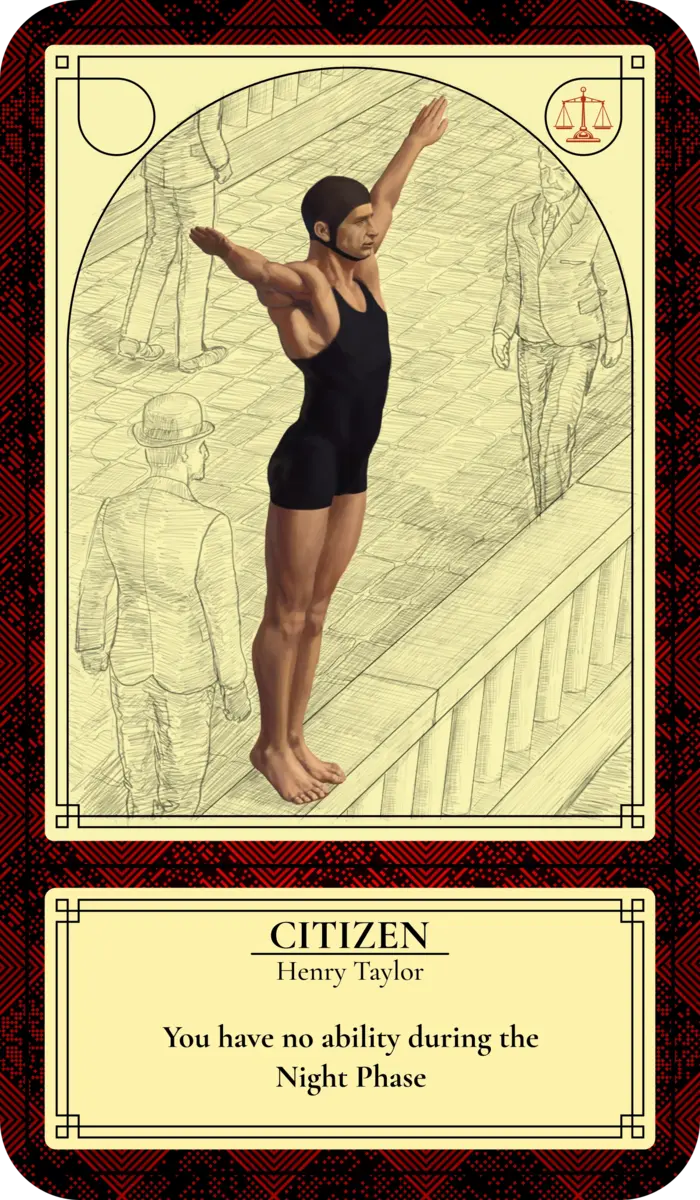
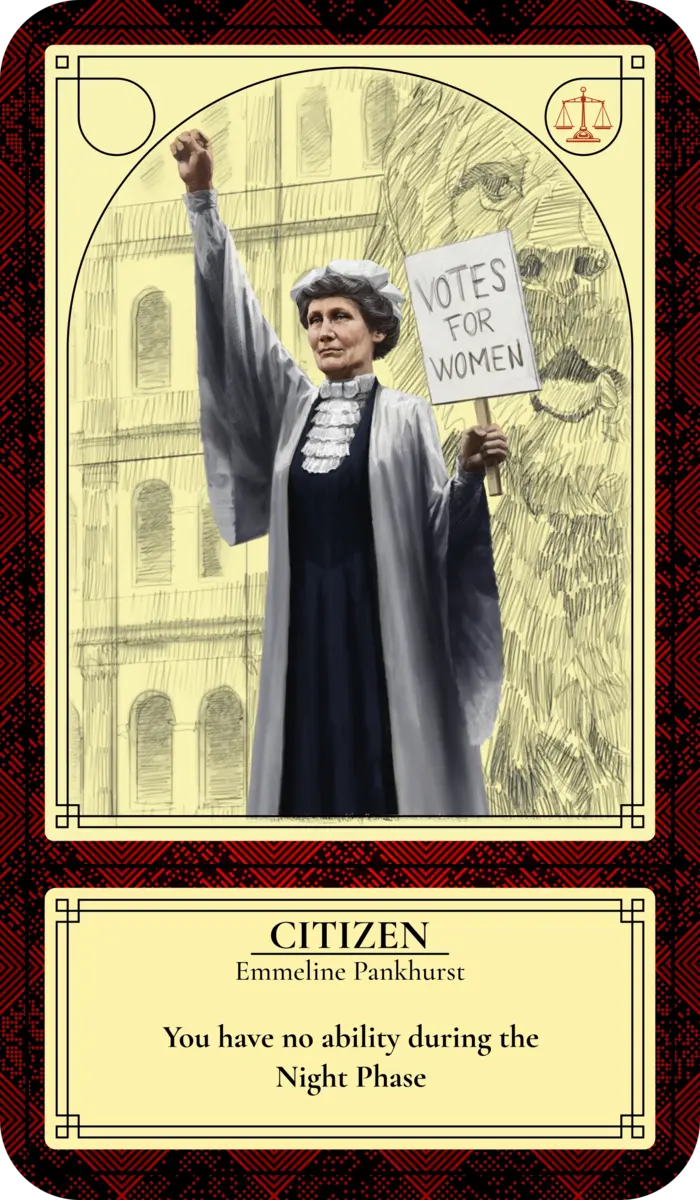
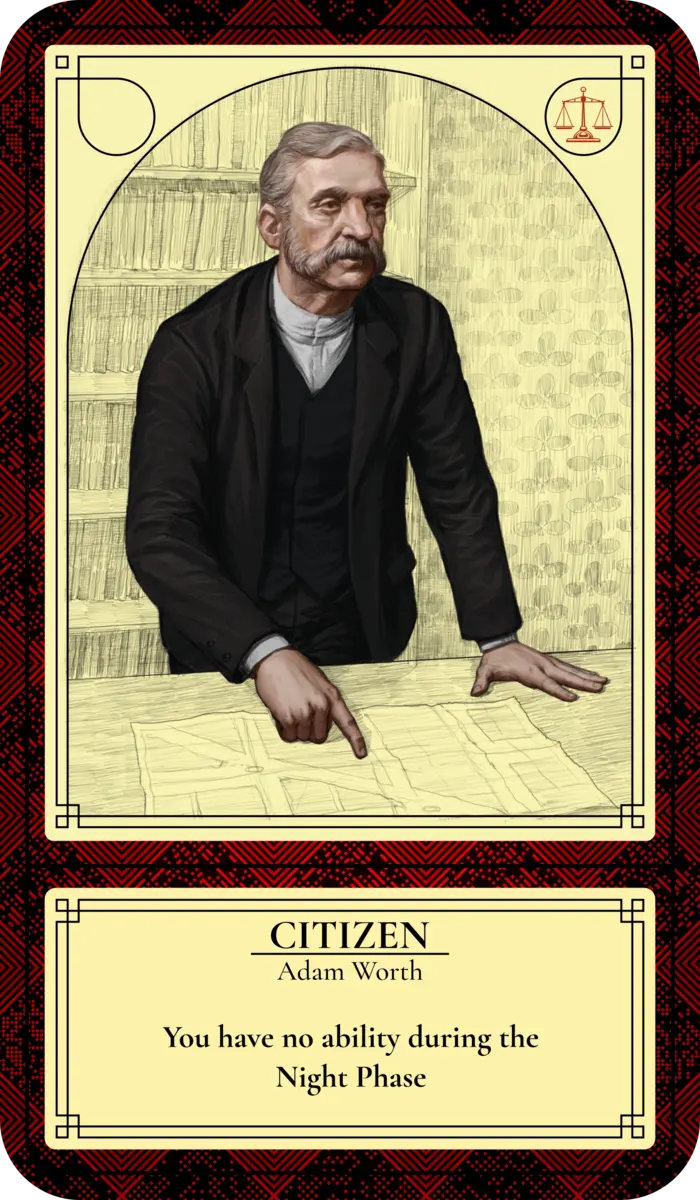
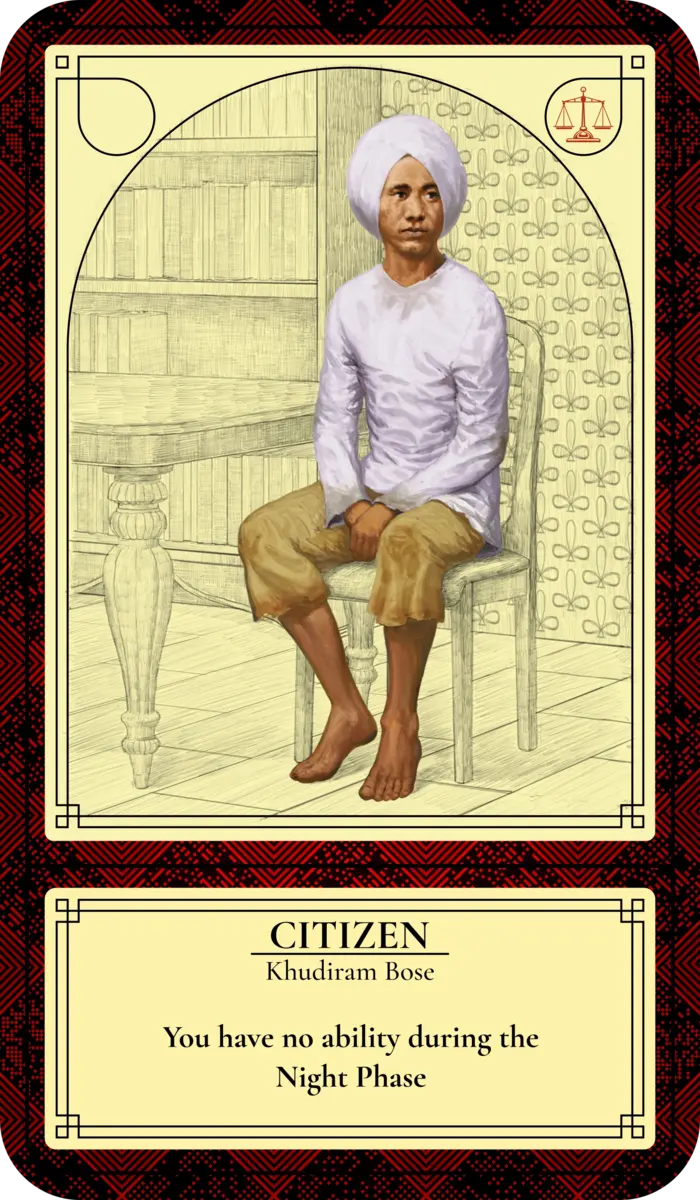
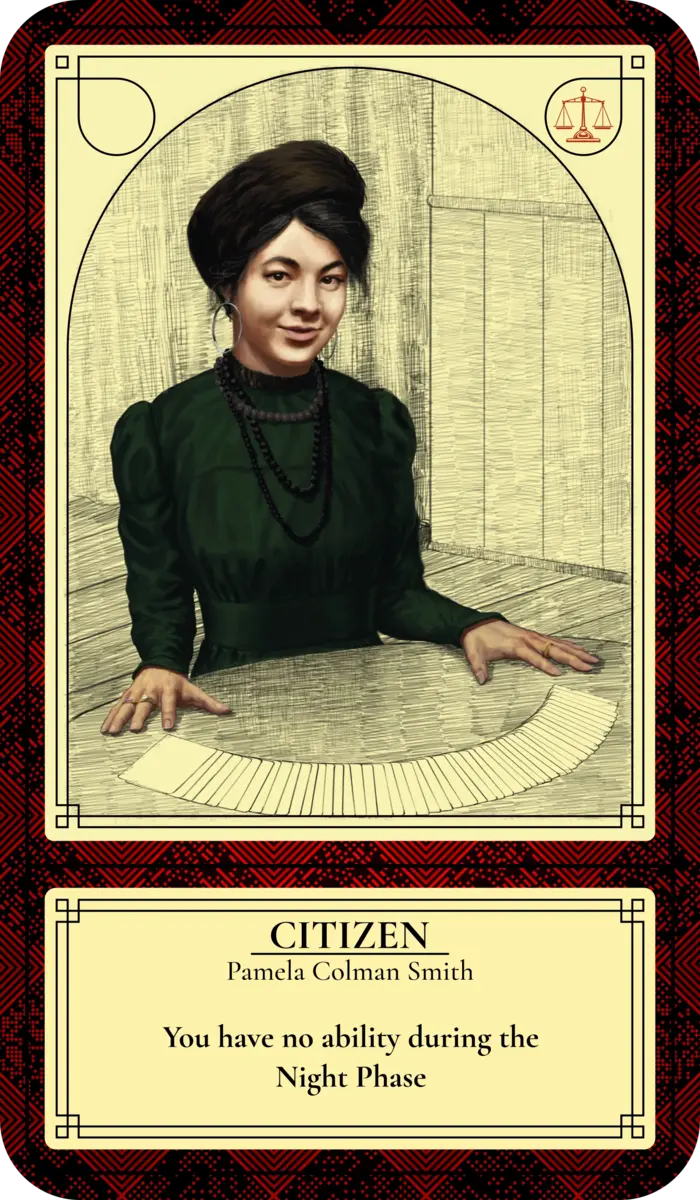
This is the part people mean when they call this a mafia party game: a table full of people accusing each other. Anyone living may speak. Anyone living may accuse. Anything anyone says is just speech, not proof — you may claim to be the Doctor, claim someone else is Mafia, say anything at all, or say nothing. The only real evidence in the room is behavior.
The best day talk is concrete. “You skipped the first statement.” “You and Jamie always vote together.” “Nobody died last night, so either the Doctor hit or the kill missed — who do we think got saved?” Small, specific observations beat any lecture about strategy. Underneath all of it, the same two engines are running: the City is trying to vote out killers before the numbers flip, and the Mafia is trying to sound exactly like the City while the table votes out the wrong seat.
Nomination
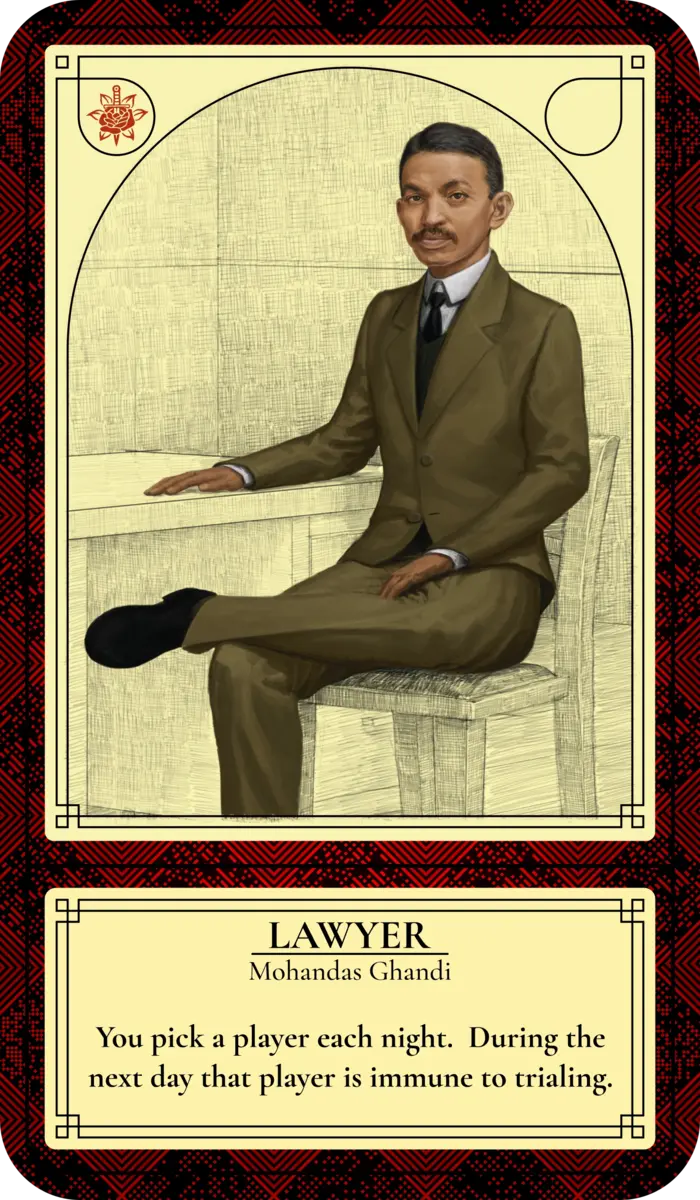
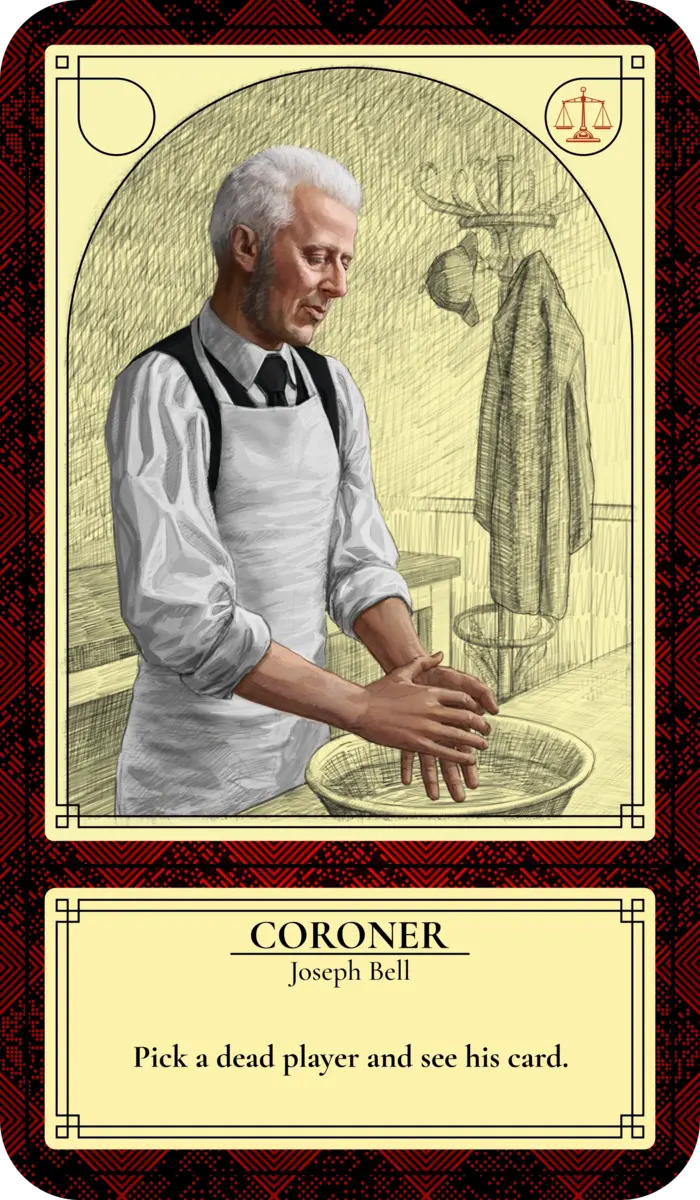
Talk becomes a trial when enough of the room commits. A name goes on trial when half the living players plus one stand against it. The moderator counts heads, not noise — three friends slamming the table is loud, but it is not a number. The trial opens when the count is actually there, not when the loudest person gets bored of waiting.
One card can jam this step. If the Lawyer marked someone last night, that player cannot be put on trial today, full stop. The table may talk about them as much as it likes; it simply cannot open the trial. And if the numbers already sit at a Mafia win, the table still has to vote out someone who can be trialled — the Lawyer's immunity does not hand the City a pass on the day.
The trial
-
01
Accusers speak
The people who put the name up make their case, and they keep it short — the table has already heard the whole day. This is a closing argument, not a second round of speeches.
-
02
Last word
The accused always answers last. They may claim a role, reveal everything a night ability told them, or say nothing at all — silence is a legal defense, if not usually a good one. They do not get extra time for being loud. When they finish, the moderator calls the vote.
-
03
Live or die
The table votes, and the subject of the vote does not get a hand in their own sentence. A yes removes them from the game — silent, card still hidden, no dramatic reveal. A no returns them to the circle. Either way, the moderator announces the result out loud and the day moves on.
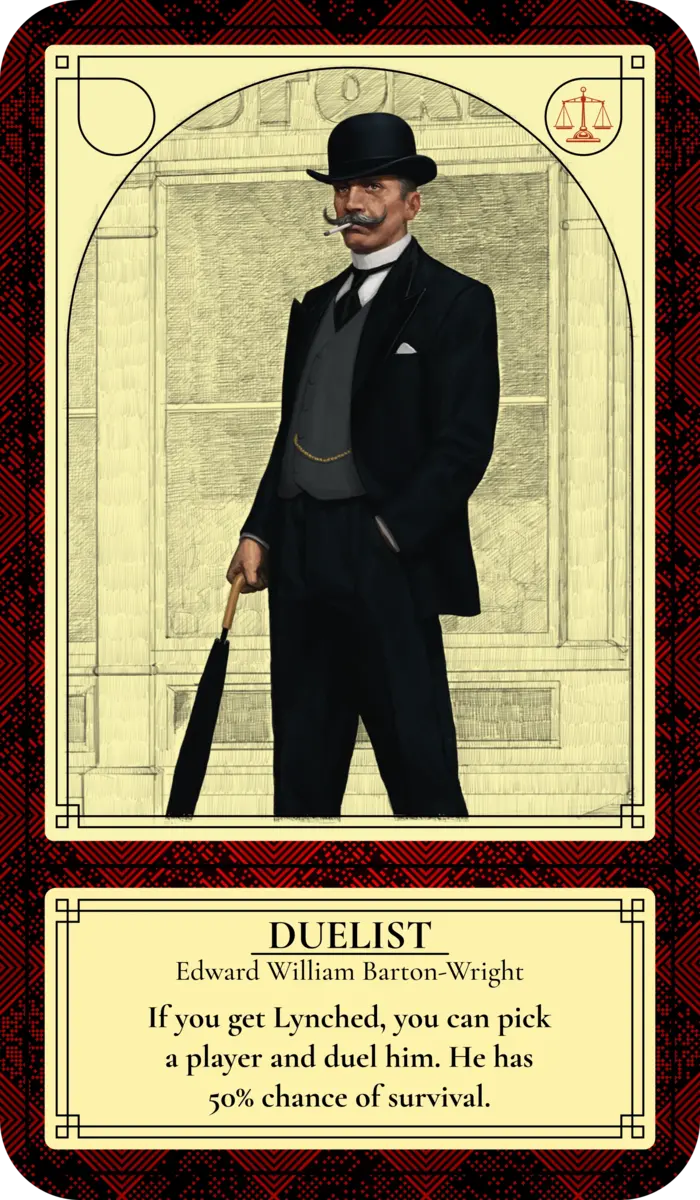
One card can interrupt a successful vote. When the table votes out the Duelist, he does not simply die — night falls, and he duels one of the players who voted against him. Resolve that card as printed instead of assuming the accused is gone. And do not apply that twist to anyone else; every other card leaves the table quietly.
Live or die
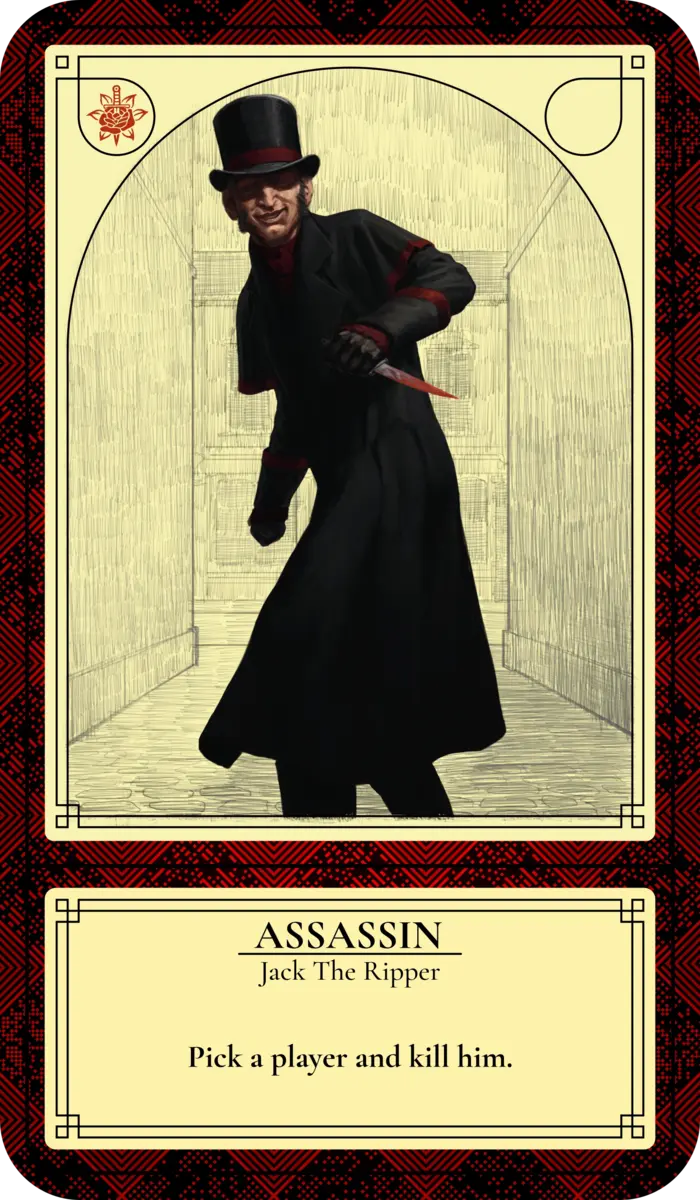
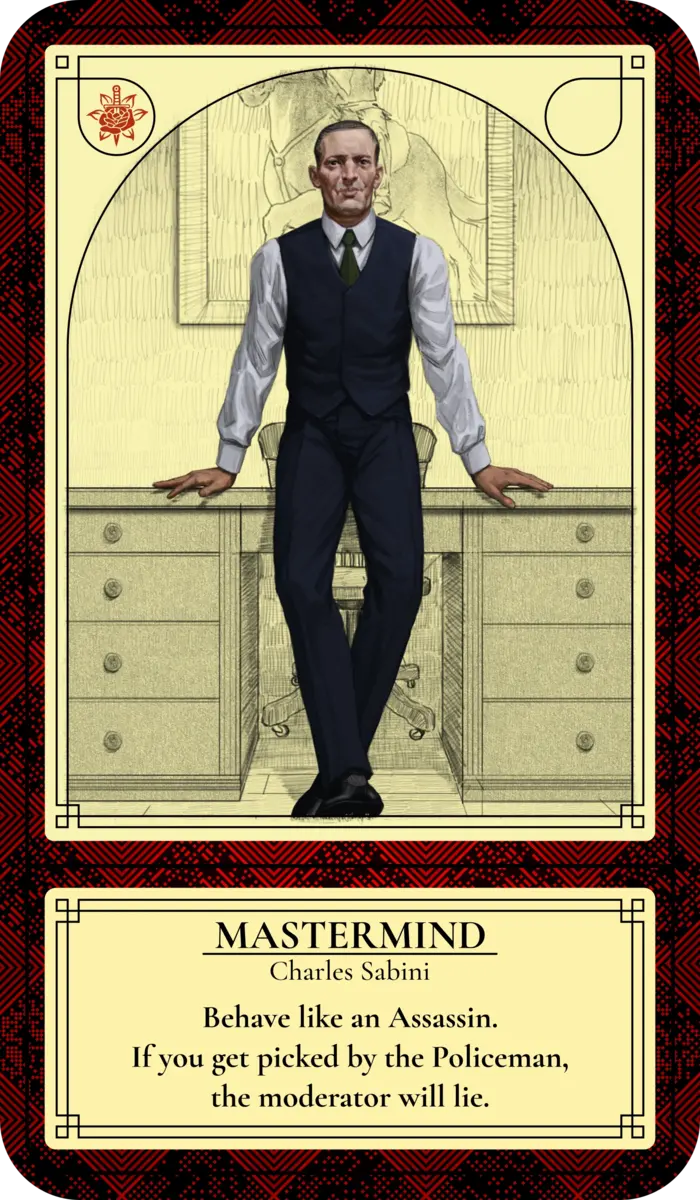
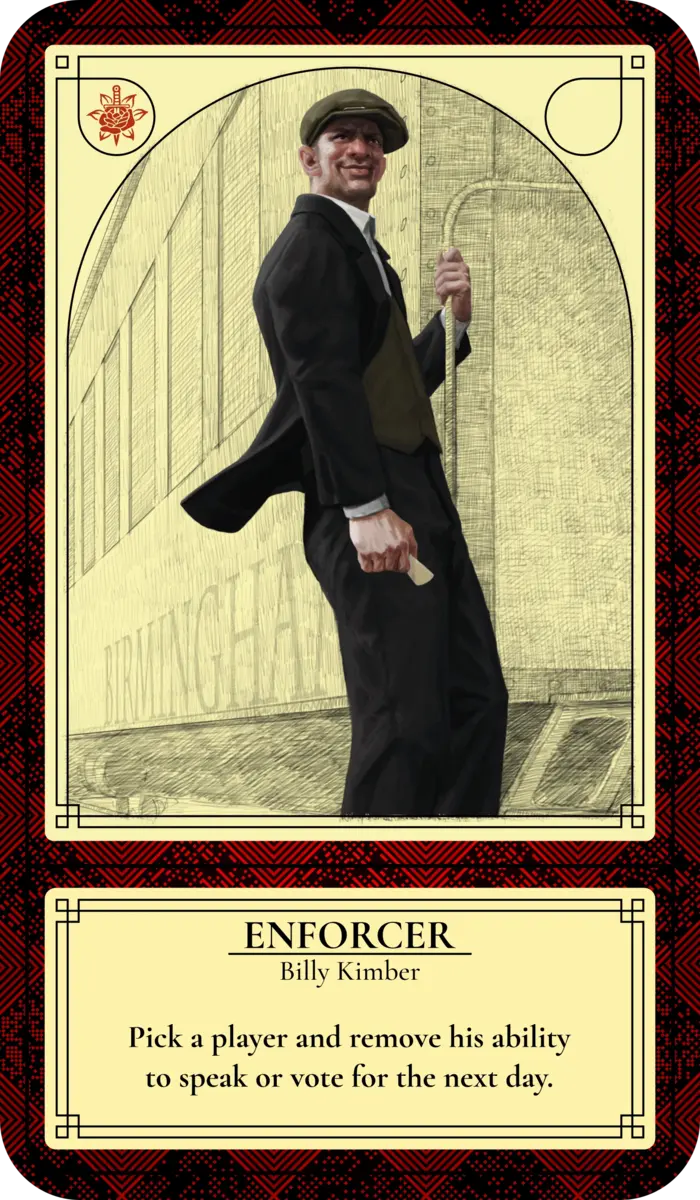
The vote itself is simple and public: hands up, or a clear yes-or-no around the circle, with the moderator counting. There is no secret ballot unless the whole table agreed to one before the game began — the printed day is built on public pressure, and voting where everyone can see is part of the game. The accused watches it happen without a hand in their own sentence.
The printed rules do not force a single trial per day, and they do not forbid a second vote after the first. That call belongs to the moderator. Two names can stand trial at once only if both accused agree; the sentence then covers both, and the day ends when that trial ends. Those edges, and a few stranger ones, are on the rules FAQ.
After the vote
Before anyone closes their eyes, the moderator checks the win. The City wins when the killers are gone. The Mafia wins when they can outvote whoever is left. And here is the trap a new table walks into: if starting the night would hand the Mafia that winning vote, you do not start the night. The table votes someone out again, today, with the numbers it has. The exact line is on the win conditions.
If nobody has won, the eyes close and the night runs again — same order, same verbs, same silences — until one side takes the table.