What is a mafia game?
A mafia game is a social deduction game for a group of people in one room. Everyone except the host draws a hidden role. The City is the big, honest majority. The Mafia is a small group of killers hiding inside it — and unlike everyone else, they know exactly who their teammates are. Each night the Mafia removes one player. Each day the whole table talks it over and votes someone out, hoping they picked a killer. The game ends when every killer is gone, or when the Mafia has thinned the City down far enough to win the next vote.
People type the question a few different ways — “what is the mafia game,” “what is mafia the game” — and they all mean this: hidden teams, a night of secret action, a day of open accusations, and one host who keeps the dark honest. There are no dice and no board. You may say anything you like, true or false. The card in your hand is the only proof of anything, and you almost never get to show it.
How a mafia game works
Every mafia table runs on the same loop, whether the roles are written on scraps of paper or printed on large cards. You deal. Everyone claims a team out loud. Eyes close for the night. Eyes open for the day. The table talks until it votes. Then the eyes close again, and the loop repeats until one side has won.
-
01
Deal
Shuffle the right cards for your player count and give everyone one, face down. Peek at yours once, then keep it hidden for the rest of the game.
-
02
Claims
Go around the circle. Each person gives a name and claims a team, City or Mafia. Nobody has to tell the truth — and the killers never do.
-
03
Night
Everyone closes their eyes. The host wakes roles one at a time, in a fixed order. The killers pick a victim. A doctor may save someone. A cop may learn a team — never a role name.
-
04
Dawn
Eyes open. The host announces who died, if anyone — a name only, never a role. The dead go silent and keep their cards hidden.
-
05
Day
The living argue, put one name on trial, hear their last word, and vote live or die. Then night falls again — and the loop continues until City or Mafia wins.
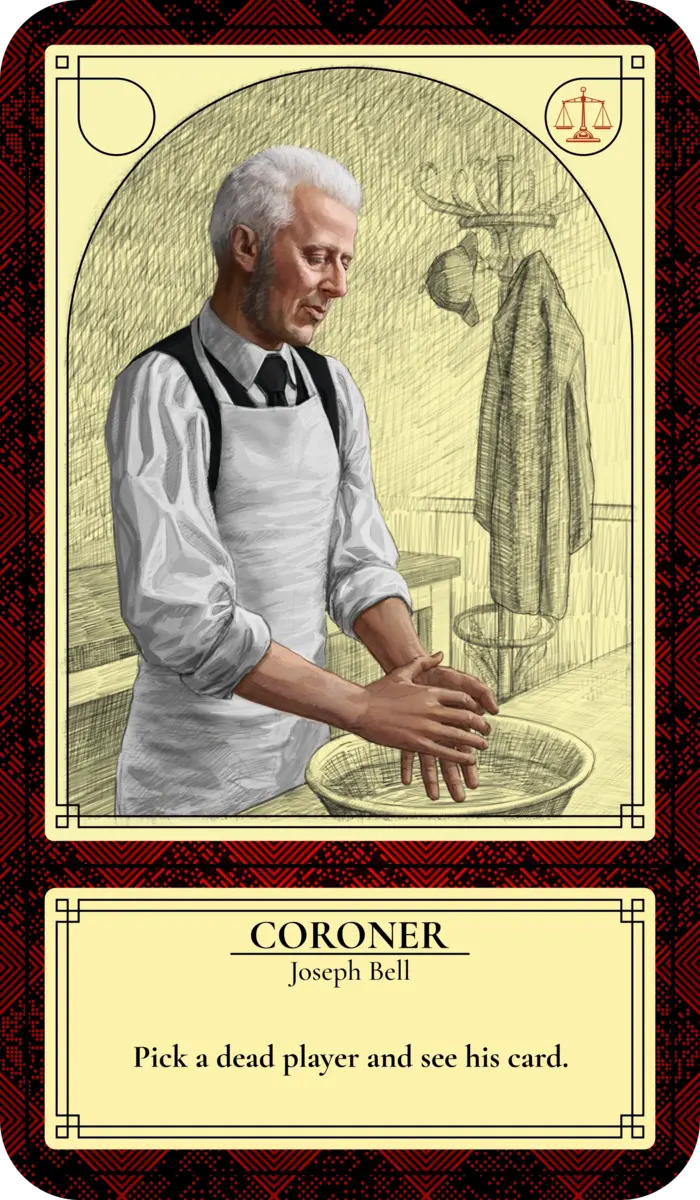
That is the whole engine. Bigger decks add more night jobs — a Coroner who examines the dead, an Oracle who watches the living, a Terrorist who can take someone down with them — but none of it changes what a mafia game is. For a first table, deal The Lamp and the Lancet: two Assassins, one Policeman, one Doctor, and Citizens for everyone else.
The two teams
Mafia has exactly two teams: City and Mafia. There is no third side and no lone wolf. If your team wins, you win. If your team loses, you lose — even if you personally fooled the whole room until the last vote.
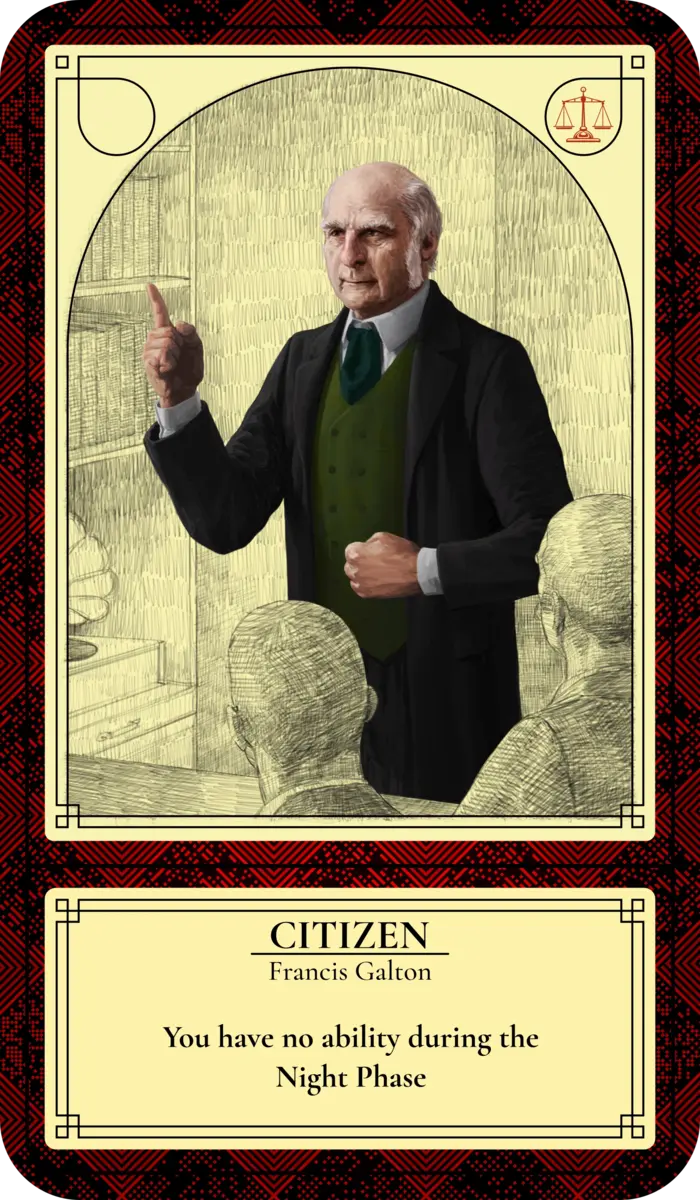
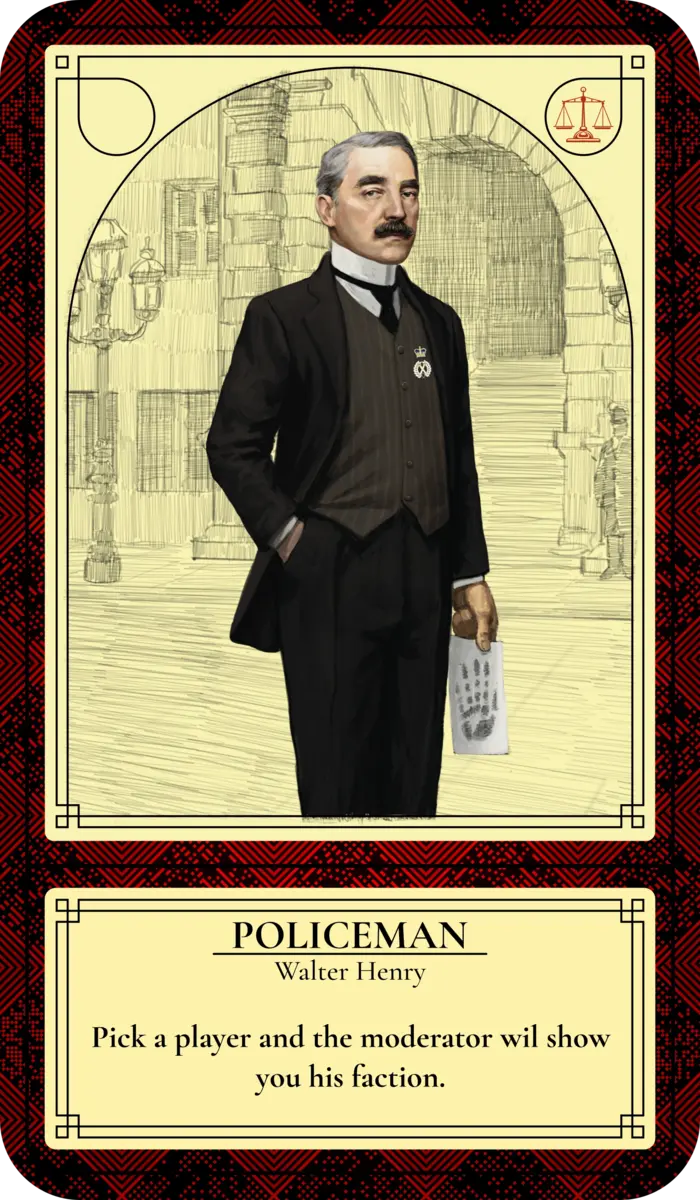
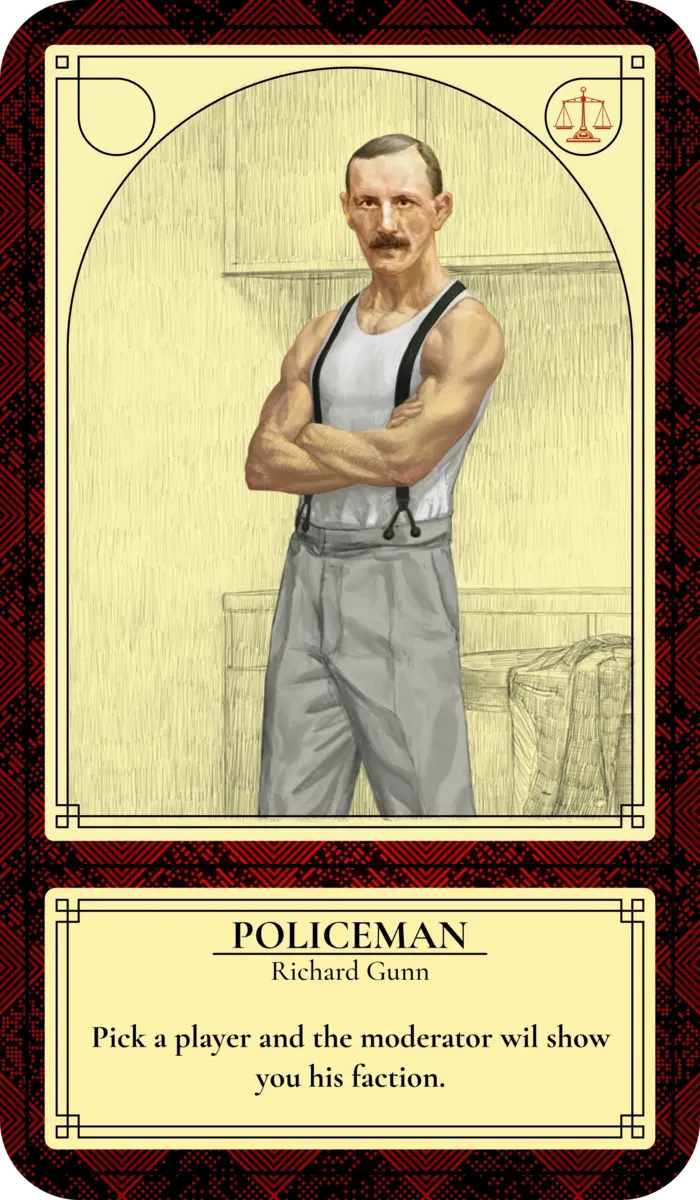
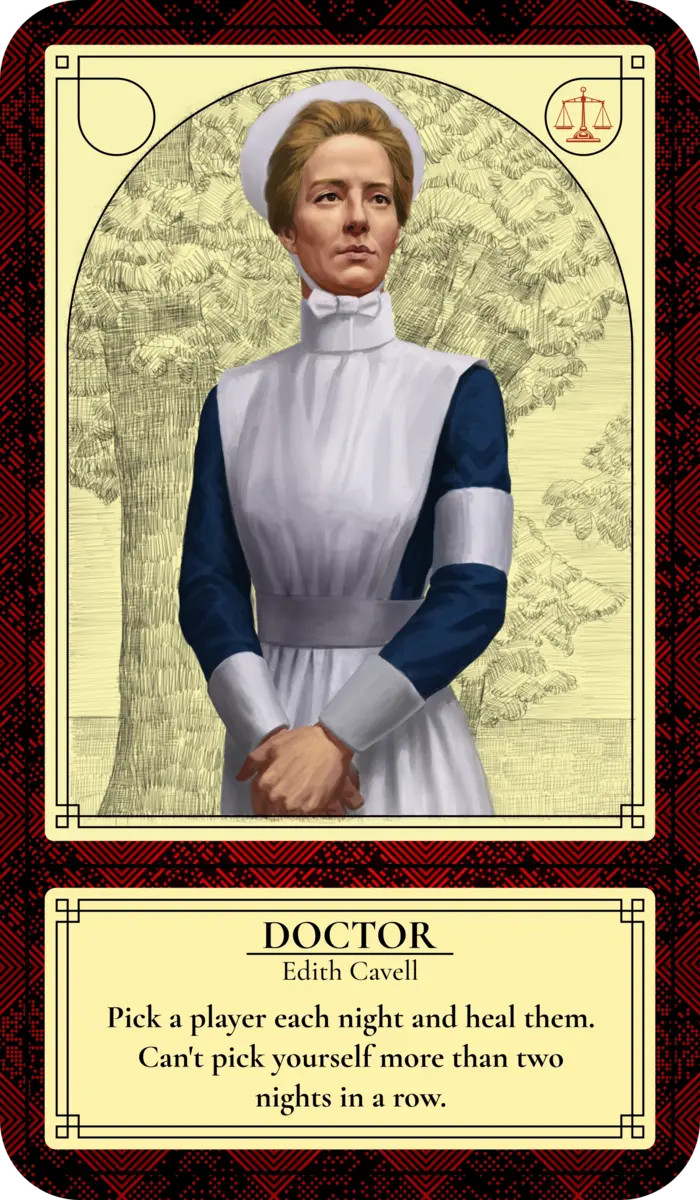
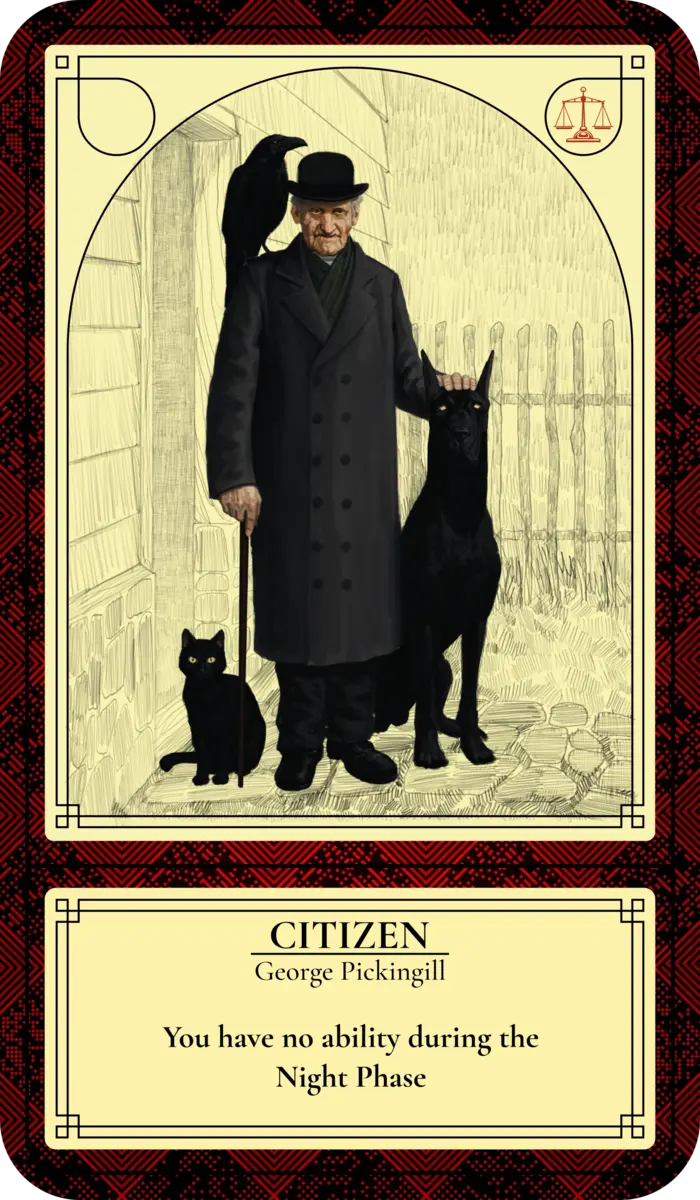
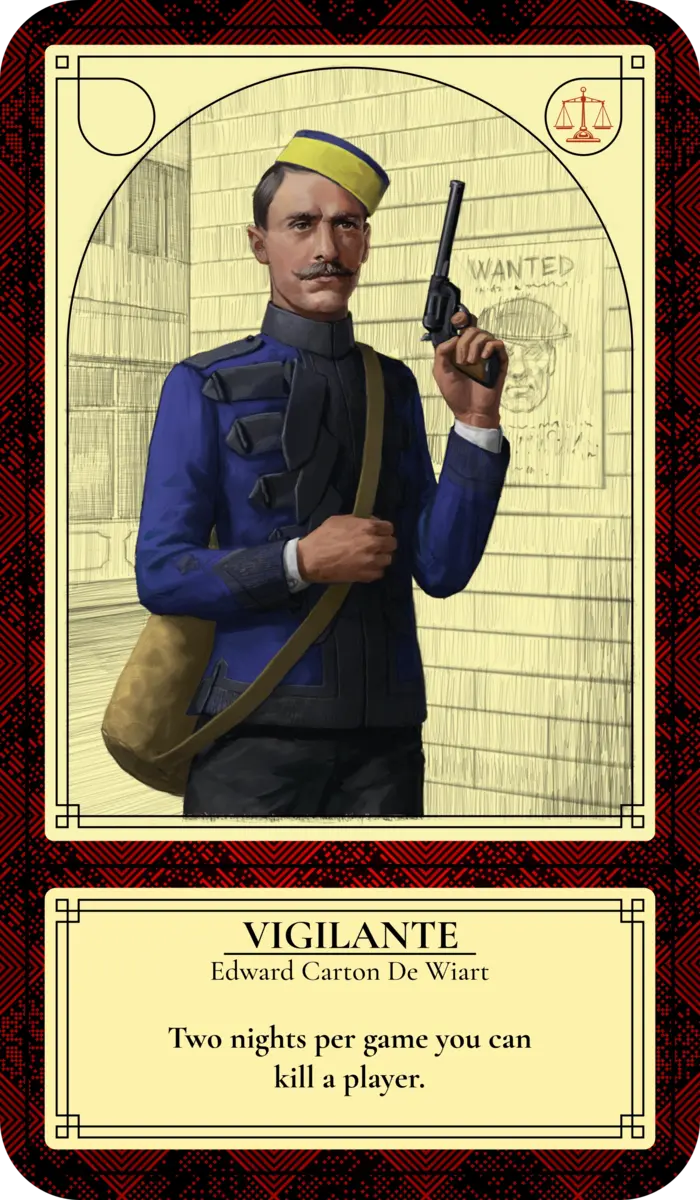
City is most of the table. Many of them are plain Citizens with no night job at all, and that is not a weakness: their power is the day. They have to listen, notice who keeps pushing a name, and vote well. A few City cards do wake at night — a Policeman who learns a player's team, a Doctor who can save a life, a Vigilante who can take the law into his own hands twice per game. The City wins by removing every killer before the numbers flip.
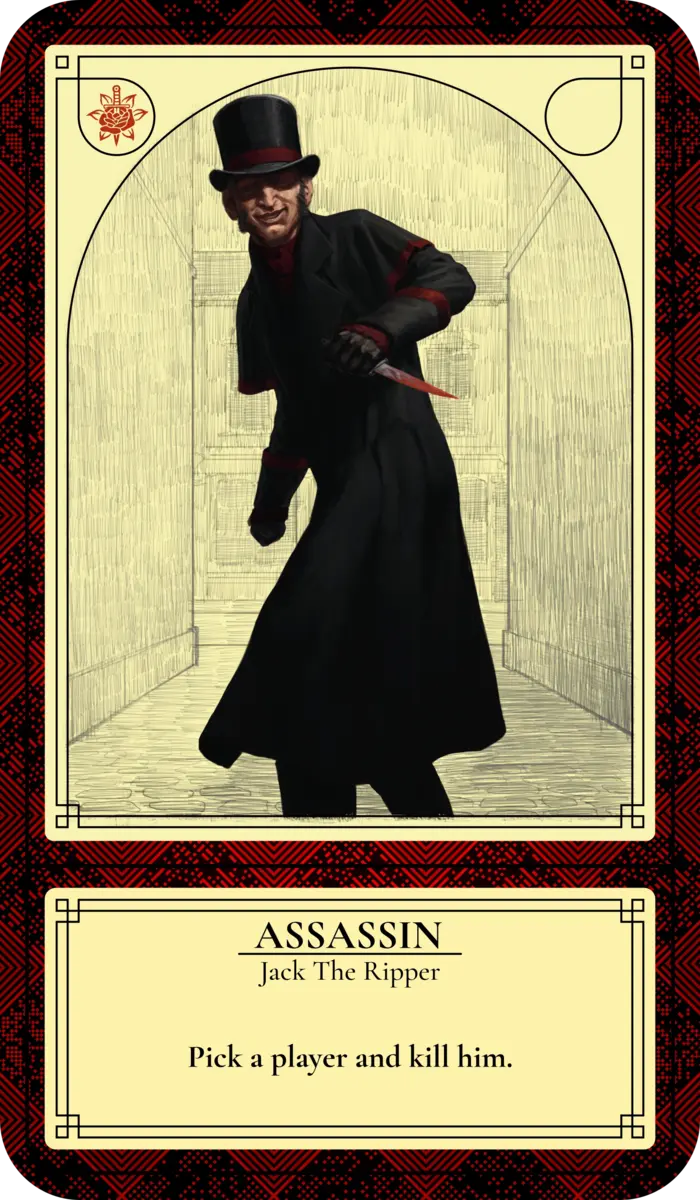
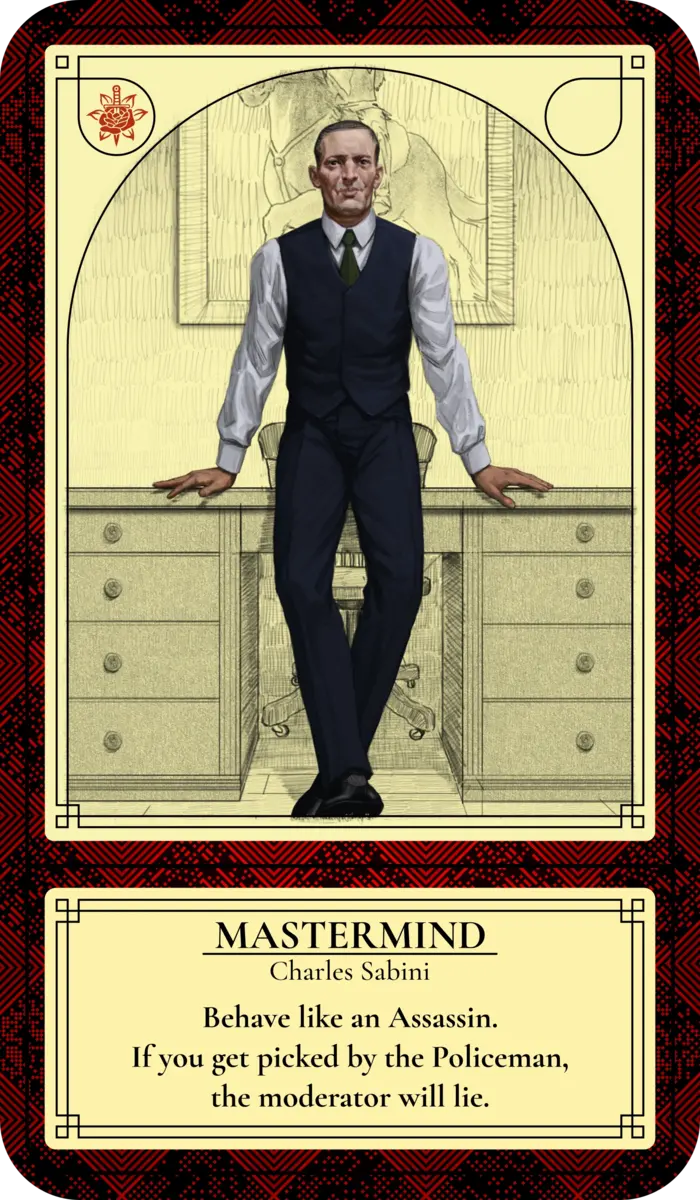
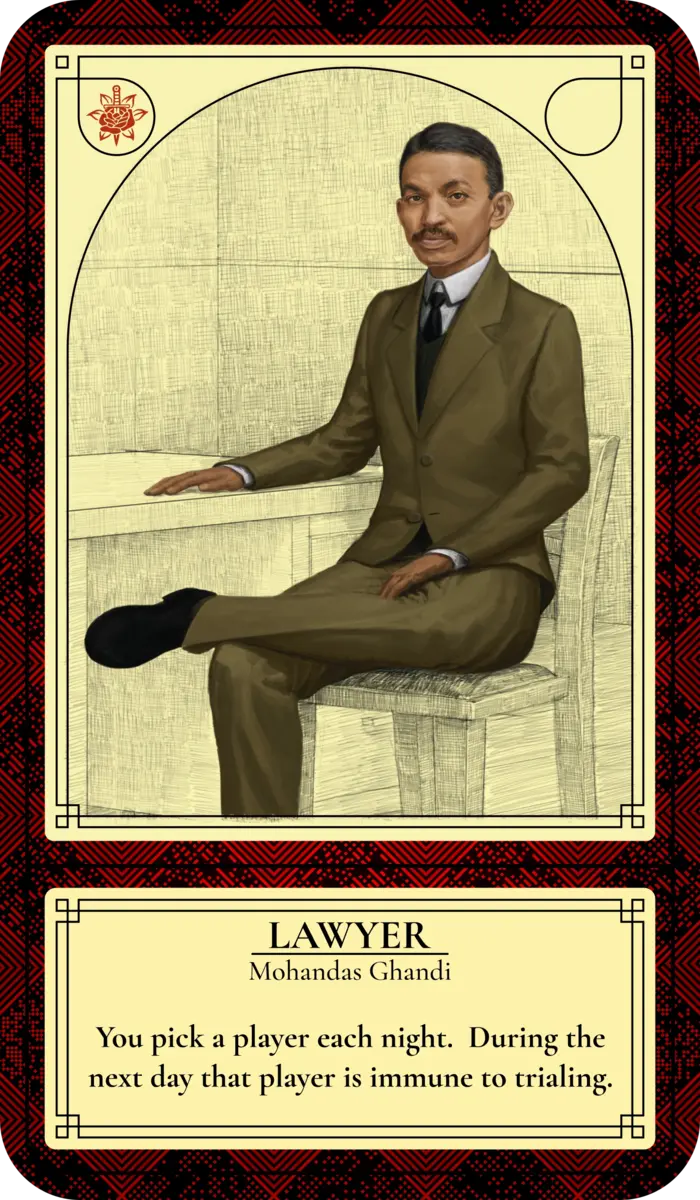
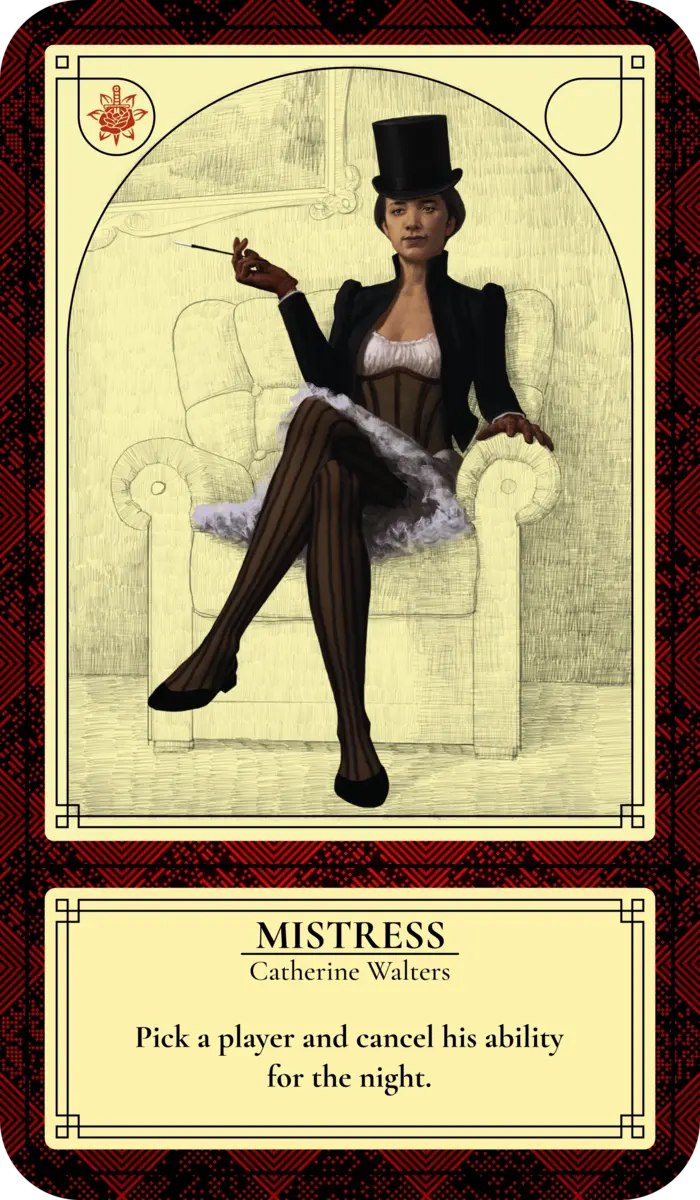
Mafia is the smaller hunting side, and they know each other from the first night. In the dark they agree on one victim. In the daylight they act like everyone else — accusing, defending, sounding helpful — while steering the vote toward innocent players. Some Mafia cards do more than kill: the Mastermind makes the cop's check lie, the Lawyer can shield a client from trial, the Mistress can cancel someone's night ability. Those are tricks played on the investigation, not a third team.
The printed cards in this deck mark the split with a small symbol — an eye for City, a torch for Mafia. Nobody else sees your card until a rule says they may. The full roster is on mafia roles.
Night and day
Night is the private half of the game. Everyone except the host closes their eyes. The host calls roles one at a time, and each wake happens in total silence — a point, a tap, a nod. If your role is not called, you keep your eyes shut and you do not peek. Talking in the dark is against the rules, unless the host asks a yes-or-no question of the players who are awake. The full order of the night, and why the Mistress always goes first when she is in the deal, lives on the night phase page.
Day is the public half, and it is the part people mean when they call this a mafia party game. Anyone living may speak. Anyone living may accuse. When enough of the table stands behind one name, that person goes on trial: the accusers make their case, the accused answers last, and then the table votes live or die. The person on trial does not vote on their own fate. A yes removes them from the game — silently, card still hidden. A no puts them back in the circle, usually angrier than before. Accusations and trials are walked through on the day phase page.
Even a quiet night tells you something. Maybe the Doctor's save landed. Maybe the killers missed on purpose. The host announces "nobody died" out loud all the same, then opens the floor — and the table gets to argue about what the silence means.
Being voted out is not always the end of the story. When the expansion roles of Mafia: The Final Witness are in the deal, the dead still close their eyes at night with everyone else — and on the last day of lynching, they come back for one moment to cast a collective vote toward that final lynching. That last vote of the dead is where the deck gets its name.
The narrator, or moderator
Every mafia game needs a host, and the host is not on a team. They are not City and not Mafia — they are the referee who keeps the whole thing fair. In a classic folk game, someone simply volunteers to sit out. In this deck there is a neater way: the Narrator card goes into the shuffle, and whoever draws it runs the game. At the table, the host is the only person allowed to look around during the night, wake players, announce who died, and count the votes at a trial.
A good host writes their night list before the first close of eyes and keeps it for the whole game. They call dead players' roles as if nothing happened, so the room cannot hear a hole where a role used to be. They never explain why a save hit or a kill missed. Their job is to protect every secret the night has sealed.
If it is your turn to host and you want lines you can read straight off the page, use the mafia game narrator script. One habit to drop: classic party mafia often says “Mafia, wake up,” because the killers are the only night team. This deck has many more night jobs, so the host calls each role by its own name.
What you need to play
- Eight or more living players, plus one moderator
- Hidden roles — paper scraps work, but a printed deck is easier and harder to cheat
- A room where people can sit still with their eyes shut
- About 30 to 90 minutes for a typical game
- A host who will keep secrets and count heads, not noise
That is the whole shopping list. No map, no miniatures, no app — and phones stay face down in the dark. If it is your first table, deal The Lamp and the Lancet and leave the rest of the box shut until running a night and a day feels easy. The larger published deals are on setups.
How you win a mafia game
The City wins when the killer roles are gone. Watch the wording: some Mafia cards, like the Lawyer or the Mistress, are not killers. Voting them out helps, but it is not enough while an Assassin is still sitting quietly at the table.
The Mafia wins when they can beat the remaining City on a vote. The printed line is two killers against two City players, or one against one. That means the day has a duty: never close your eyes on numbers that would hand the Mafia the win. If those numbers are already true at the end of a day, the table votes someone out again that same day instead of going to night.
A game can end three ways — on a day vote, on a night kill, or on a count the host makes before calling night. Dead players do not count toward either side. When one team has won, the host says so out loud, and only then do the cards get shown. The exact edge cases live in the mafia game rules.
Where the mafia game comes from
The idea is older than the name. Parlour games like wink murder put a killer in the room and asked the table to name them. In 1981, a card game called Hoax printed hidden characters. Then, in 1986, a psychology student named Dimitry Davidoff built Mafia at Moscow State University — not as a party trick, but as an experiment. He wanted to watch two questions play out: how does a majority catch a lying minority, and how does that minority survive the day?
The experiment escaped the classroom. American tables recast the criminals as wolves and the town as a village, and that version stuck as Werewolf. Boxed decks followed. Among Us put the same argument on a phone in 2020. Television came after that. Through all of it, the folk game has stayed free — write City and Mafia on scraps of paper, pick a host, close your eyes. A published deck is the same game with printed faces, a clear night order, and a box you can put on the table.
The longer family tree — Werewolf, Avalon, Secret Hitler, Blood on the Clocktower — is on social deduction games. The closest cousins of the village game are on games like Werewolf. Table games about reading people, including titles with no traitor at all, are on psychology games. This page stays on what the mafia game itself is.
Mafia, Werewolf, Among Us, and the other names
The same game wears a lot of costumes, and people use the names loosely. Here is what each one usually means.
| Name people say | What they usually mean |
|---|---|
| Mafia | Town versus a criminal minority. Night kills, day votes, a human host. |
| Werewolf | The same game in a village costume. Wolves at night, villagers by day. |
| Among Us | The video game: impostors, tasks, an emergency meeting, a vote to eject. |
| Town of Salem | An online mafia game with many roles and a chat instead of a room. |
| The Traitors | Television: faithful majority, hidden minority, banishments and murders. |
If someone asks what a mafia game is and they have only ever played Among Us, the honest answer is: the same idea, but in a room, with cards, and a real person calling the night instead of a loading screen. The arguments are better in person.
A mafia card game, a mafia party game, a game for the table
At heart, a mafia game is a people game. The cards only tell you who you are; everything after that is talk. The night is quiet and the day is loud, which is exactly why it shows up when people search for a mafia party game — it fits a birthday, a flat full of friends, or any big group that wants to accuse each other for an hour and still be friends afterwards.
It becomes a mafia card game the moment those roles are printed, shuffled, and dealt. Mafia: The Final Witness is that object: large cards, two teams, and every character drawn from a real person. People also search for a mafia board game when they want something they can put on a table and play the same night — and this is that kind of table game. The board is the circle of chairs. The pieces are the hidden cards.
You can absolutely play mafia with scraps of paper. A deck just makes the night faster, the roles clearer, and the host's list easier to keep — and it looks much better in the middle of the table.
What is Mafia: The Final Witness?
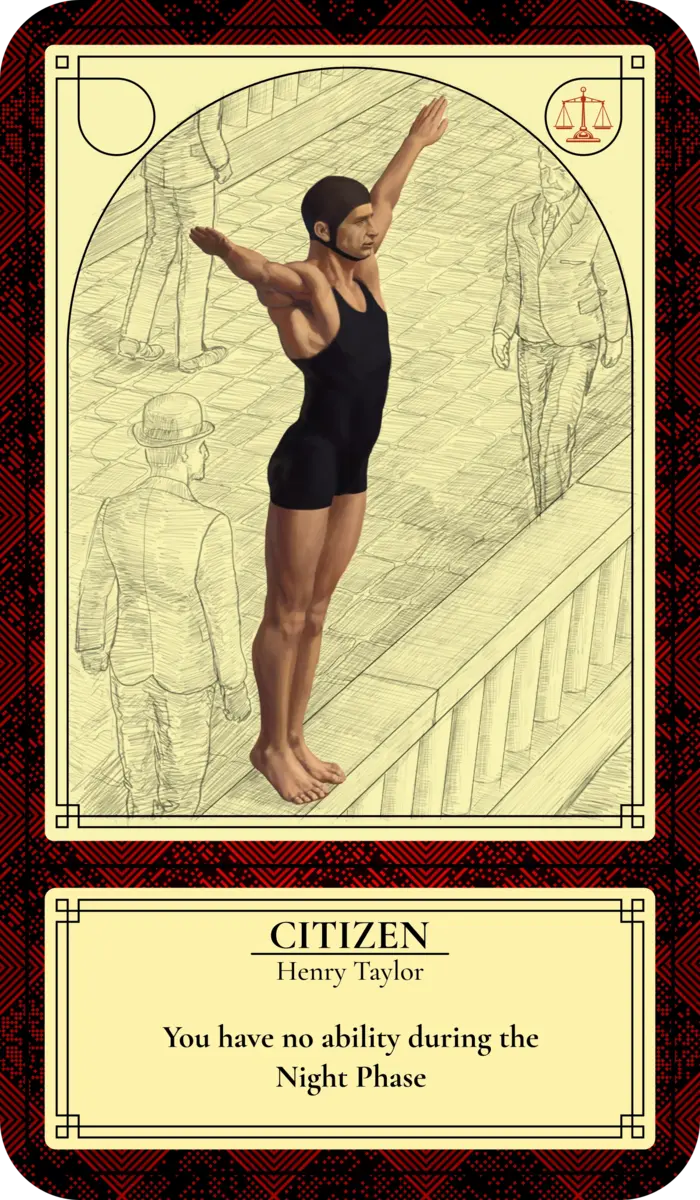
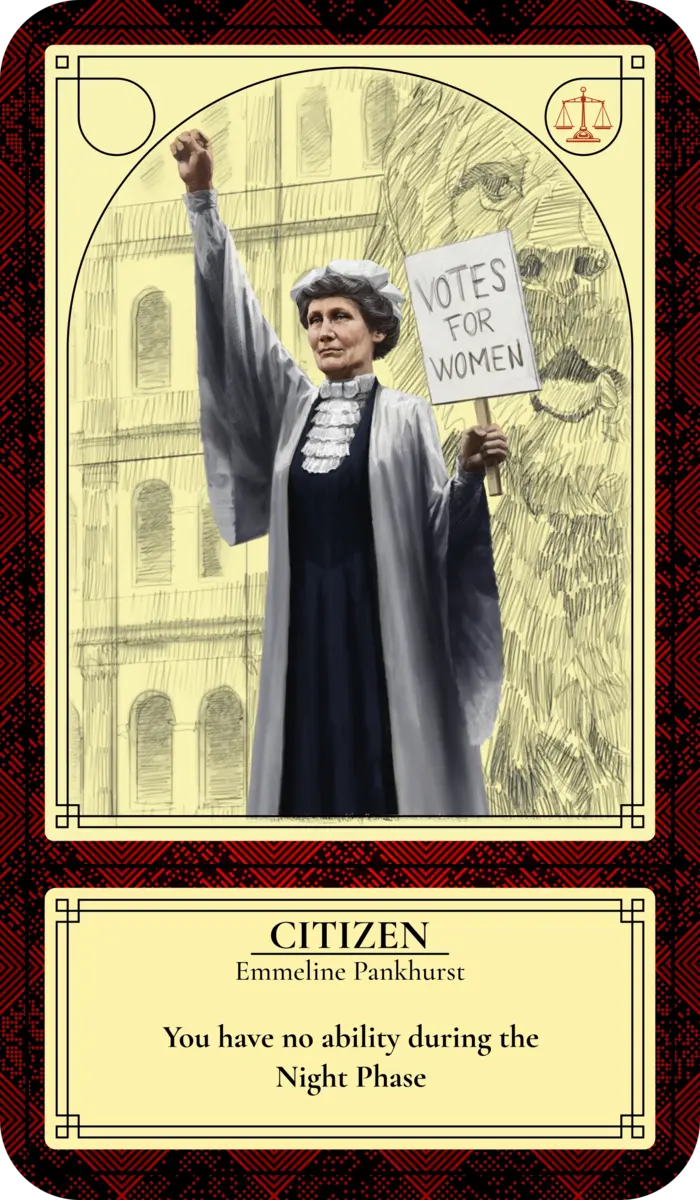
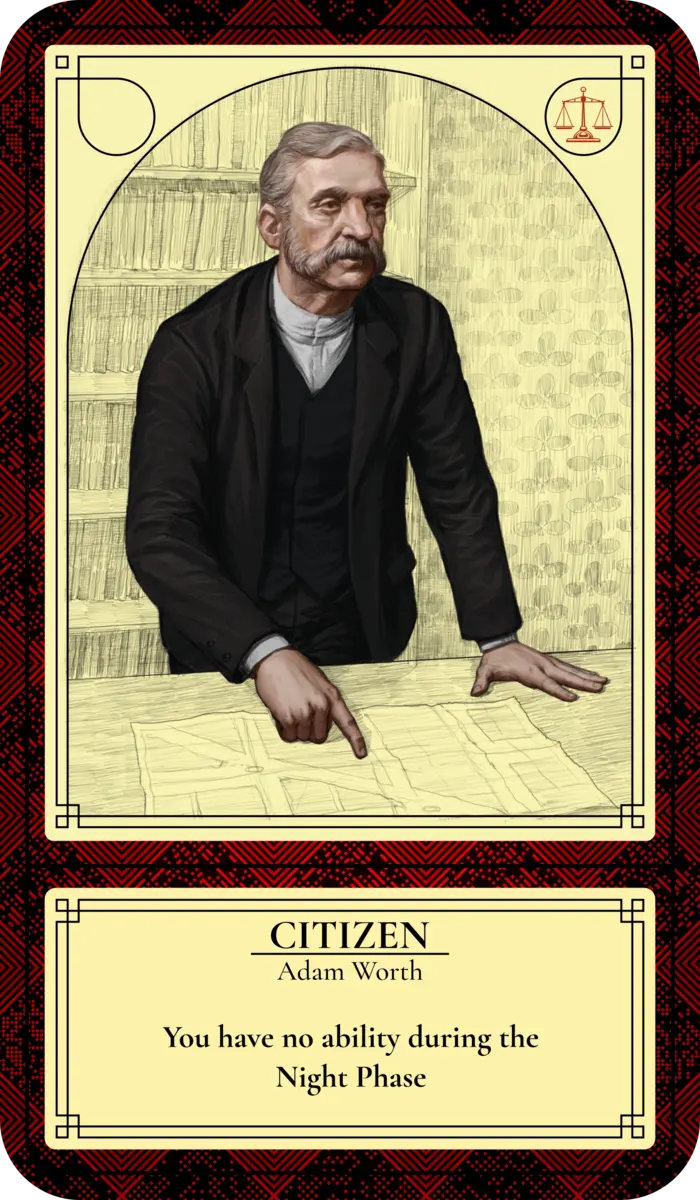
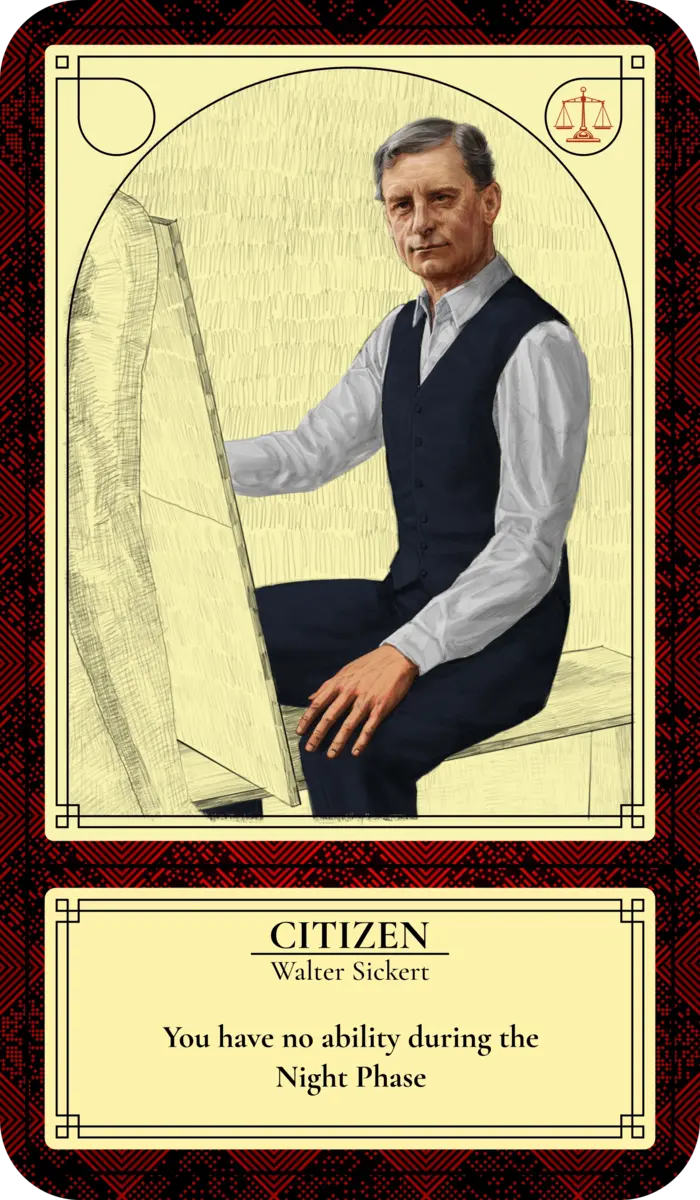
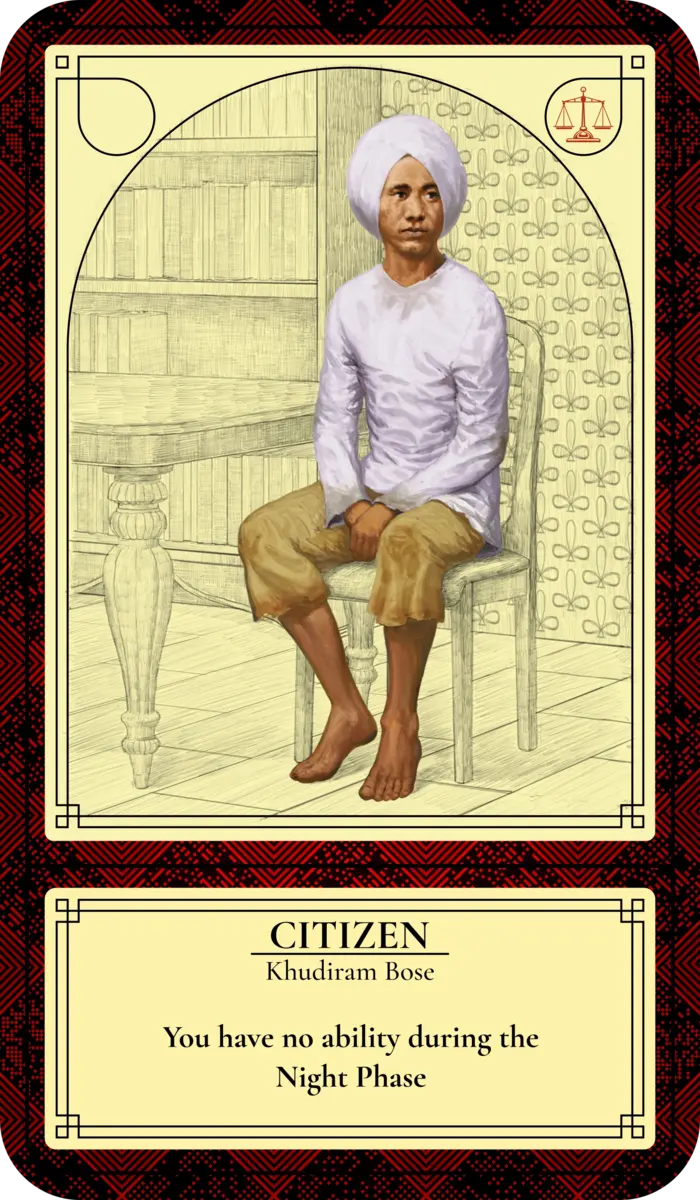
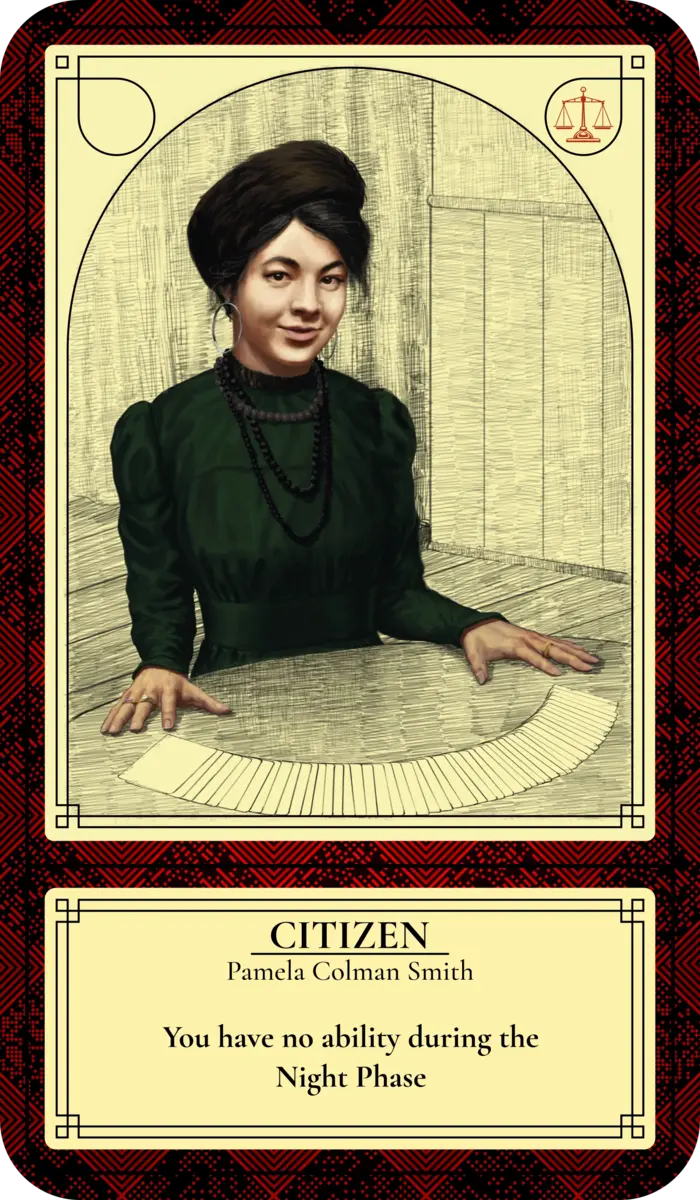
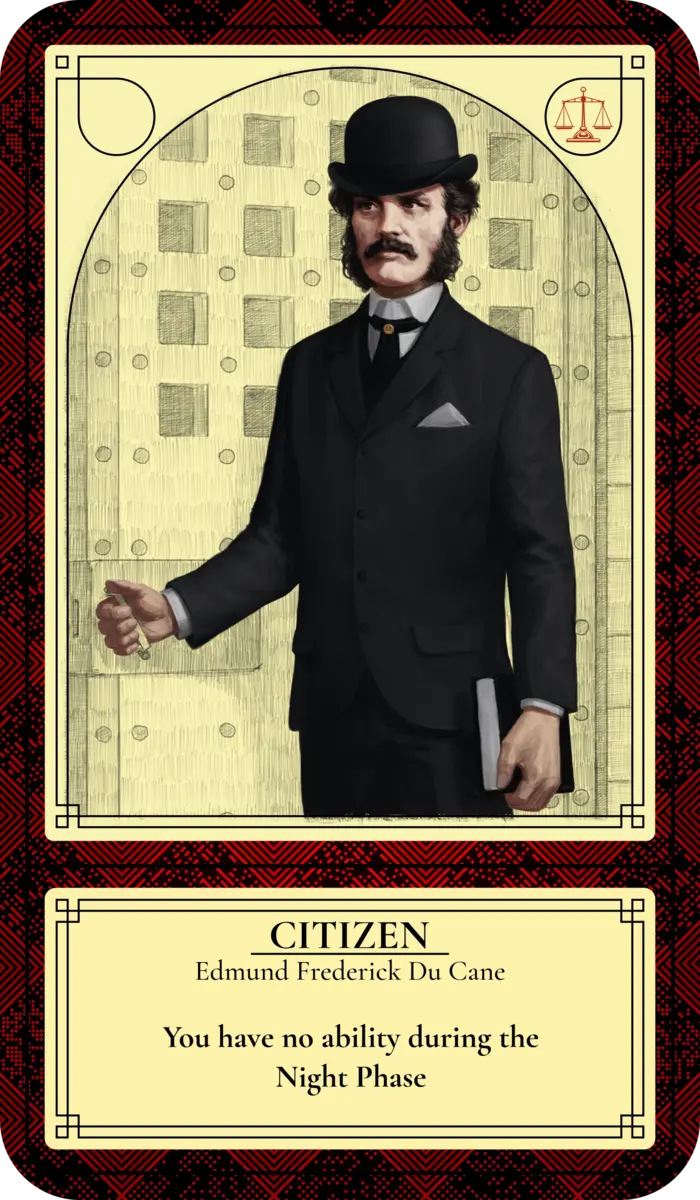
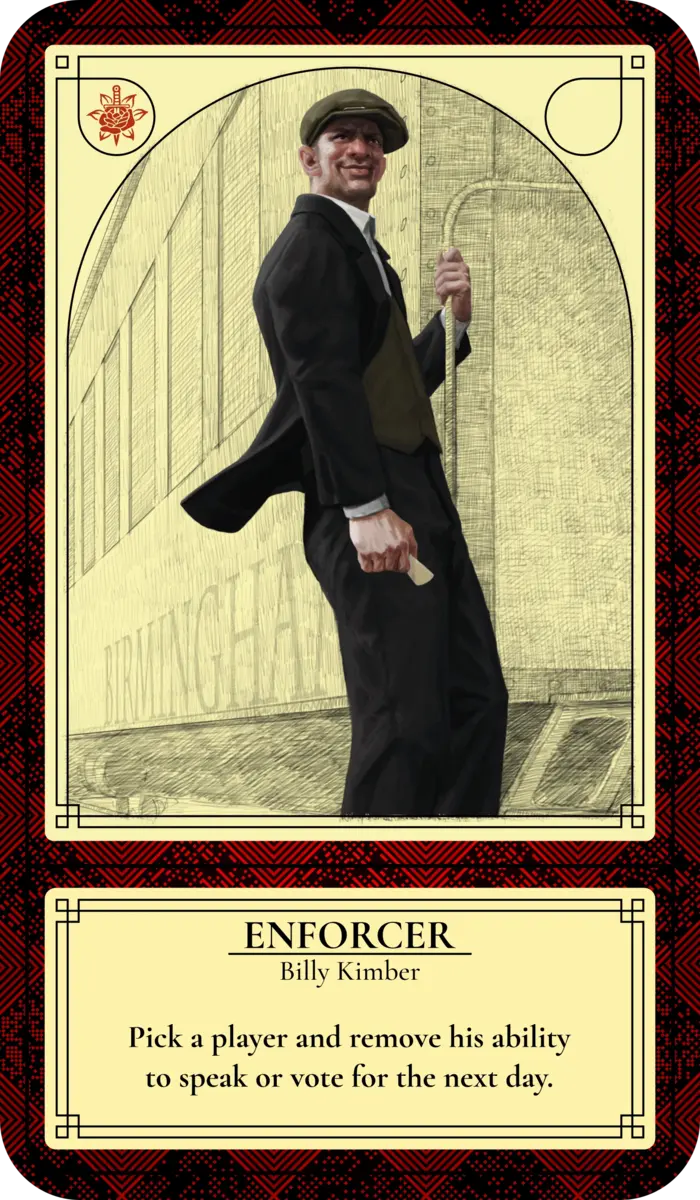
Mafia: The Final Witness is a boxed mafia card game set in London in 1900. Every hidden card is a real person from history — you keep that card secret and play as that person for the whole game. City versus Mafia. A moderator. Nights of silent visits, days of talk and a trial.
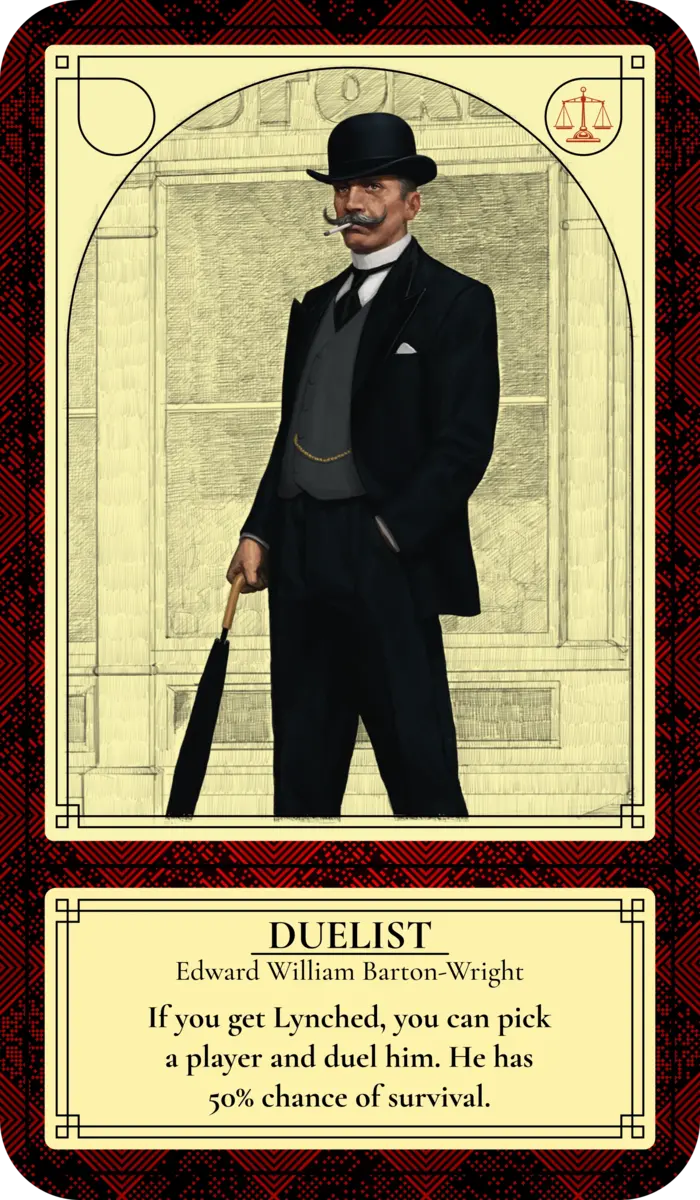
Open the box, deal The Lamp and the Lancet, and you can start playing within minutes. Once the table can run a night and a day without stopping to ask what to do, add a larger setup — that is when the Oracle, the Duelist, and the stranger night jobs come out. And if two jobs ever hit the same person, look it up in the mafia game rules after eyes are open, not while people are still in the dark.
What is mafia game — FAQ
What is a mafia game?
A mafia game is a hidden-team party game. Every player gets a secret role: most of the table is City, and a hidden few are Mafia. At night the Mafia acts in secret while everyone else keeps their eyes closed. By day the living talk, accuse, and vote someone out. The City wins by removing all the killers. The Mafia wins once they can outvote whoever is left.
Is the mafia game the same as Werewolf?
They are the same game in different costumes. Mafia uses a town and a criminal minority; Werewolf uses villagers and wolves. Both have a night of secret action and a day of accusations, and Werewolf was actually made from Mafia, not the other way around. The Final Witness is the Mafia version: City versus Mafia, with a moderator.
How many people do you need for a mafia game?
A proper table wants six to twenty-seven players, plus one moderator who sits out of the teams. Six living players and one host is the smallest official table. If your room is smaller than that, a different social deduction game will serve the evening better.
Do you need a narrator to play mafia?
Yes — in classic mafia and in this deck. One person gives up their hidden card to run the game: they wake roles at night, announce who died, and keep the trial honest. It is a genuinely fun job. Everything they need to say is on the narrator script page.
Is mafia a card game, a party game, or a board game?
Honestly, all three descriptions fit. It is a table game you play with people in a room. This version is a boxed mafia card game and works as a mafia party game, and people also search for it as a mafia board game because it goes on the table like one. The cards and the talk are the whole game — there is no board to set up.
Who invented the mafia game?
Dimitry Davidoff, in 1986, at Moscow State University. He built it as a psychology experiment with a simple question inside it: can a majority catch a lying minority? The village reskin that became Werewolf came later.
How do you play a mafia game?
Deal the hidden cards and let each person claim a team out loud. Then everyone closes their eyes, and the moderator wakes the night roles in order. In the morning, someone may have died. The living talk it over and vote someone out. That loop repeats — night, dawn, day — until City or Mafia wins. The full steps are on how to play mafia.
What is The Final Witness?
It is a published mafia card game set in London in 1900, where every role is a real person from history. Two teams, a moderator, large printed cards, and the classic loop of night and day until one side wins.