Mafia game instructions
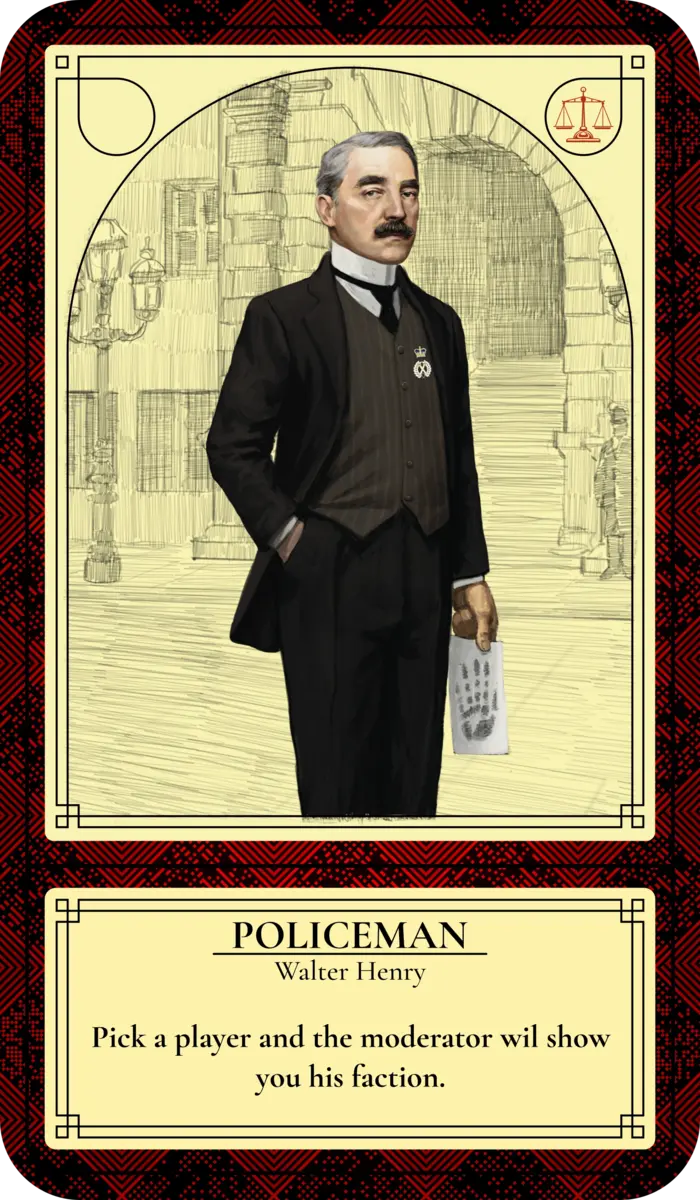
Here is the whole game in eight steps. Read them once before you sit down, because every game of mafia — your first or your fiftieth — runs on this same loop until one team wins. If this is your group’s first proper game, deal The Lamp and the Lancet: two Assassins, one Policeman, one Doctor, and Citizens for everyone else. Everything below the list unpacks the steps in detail — how many players you need, what to do if you have no cards, and what each moment actually feels like at the table.
-
01
Pick a moderator
Someone has to run the game, and that person is on nobody’s team. In classic mafia the host simply volunteers and sits out. This deck has a neater trick: whoever draws the Narrator card becomes the host.
-
02
Choose a deal
A “deal” is the set of cards you hand out. Match it to the number of players you actually have. Then write down the night order — the list of roles the host will call — before anyone touches a card.
-
03
Deal
Give every player one card, face down — or one folded slip of paper if you have no deck. Look at yours once, remember it, and hide it. Never look at anyone else’s.
-
04
Statements
Starting with the oldest player and going left, everyone says their name and which team they claim to be on: City or Mafia. Lying is allowed. Naming your role is not required. There is no vote yet.
-
05
Night
Everyone shuts their eyes. The host calls the roles one at a time, in the order written down. Called players open their eyes, silently point at their choice, and go back to sleep. If a role has no living player, the host fakes the call anyway so nobody can tell.
-
06
Dawn
Everyone opens their eyes and the host announces who died — or that nobody did. Names only, never roles. Dead players are out: no talking, no showing their card.
-
07
Trial
Now the table talks. When half the living players plus one stand against the same name, that person goes on trial. The accusers explain themselves, the accused gets the last word, and everyone else votes: live or die. The accused doesn’t vote.
-
08
Win or night again
Count who’s left. The City wins once the killers are all gone. The Mafia wins once they can match or beat everyone else in a vote. If going to night would hand the Mafia that vote, the table must vote someone out again today instead. No winner yet? Night falls again.
That’s the whole loop. The fiddly bits — exact vote counts, what to do when the host forgets a wake, what happens when two night jobs land on the same person — live in the mafia game rules. And if you’d rather read your lines than improvise them, the mafia game narrator script has every word written out.
How many people can play mafia
How many people can play mafia? As many as you have chairs for, honestly — as long as the host can still see every face in the circle. Every hidden card needs a real person to hold it. The published setups for The Final Witness run the whole ladder: The Lamp and the Lancet starts at eight players, The Ninth Chair and Sherlock’s Demise at nine, and the lists climb through every size of room to the All-out Warzone at twenty and The Box Stands Empty at twenty-four. Pad with Citizens up to twenty-seven. You’ll find all twenty deals on setups.
How many people do you need to play mafia
Eight players plus a host is where the published game begins. That’s The Lamp and the Lancet: two Assassins, a Policeman, a Doctor, and four Citizens. Nine is the classic sweet spot — The Ninth Chair, the same deal with a fifth Citizen — because at nine the City comfortably outnumbers the Mafia, the night has real work in it, and one bad vote doesn’t end the whole evening in ten minutes.
One thing beginners miss: the host is not one of the nine. If nine people total show up, one of them hosts and you deal eight cards — jump down to How to play mafia with 8+ players for that table.
Fewer than eight? Still very playable — you just shrink the deal on purpose. Six and seven both make a decent living-room game. They’re not the published lists (those start at eight), and small games are swingier: shorter, luckier, and one wrong vote hurts a lot more. But if six friends is what you’ve got tonight, use the six-player section below and play. The night and the day work exactly the same.
Over twenty, the night gets long and the day gets loud. That’s what All-out Warzone was built for: more killers, more bodies, and a host who keeps things moving. Bigger still? Add Citizens from the box — but never add extra Assassins just because extra people arrived. Extra killers tip the vote far too early. Pad with Citizens, or move up to the next published list.
One last thing: online mafia can run a hundred players in a chat window. If your group is spread across cities tonight, you can play mafia online free in a browser instead. This page is about a real room. If the people at the back can’t hear the trial, your circle is too big. Tighten it.
What you need to play mafia
Three things: people who can keep their eyes closed without peeking, one person willing to host, and some way to hide who’s who. That’s genuinely it. A first game takes about an hour — longer if your friends like the sound of their own voices. Dim the lights enough that a peek would be obvious, and get phones off the table before the first night. A lit screen in a dark room gives the game away.
The host is the only person who ever gets to see identities. They wake players at night, they announce the deaths, and they keep every secret. Everyone else holds exactly one identity and never shows it. And here is the rule that makes mafia work: players can say anything. True things, false things, nothing at all. Words prove nothing in this game. The hidden card is the only real evidence, and nobody sees it until the game is over.
- A deal sized to the number of living players
- The night order, written down before the first night
- One host who can see every face in the circle
- A room that can actually go quiet
How to play mafia with cards
How to play mafia with cards is exactly what The Final Witness is for. Shuffle only the cards in the setup you chose, and give each player one, face down. Everything else stays in the box. Look at your card once, then sit on it or pocket it. Don’t leave it lying on the table between speeches — hands wander.
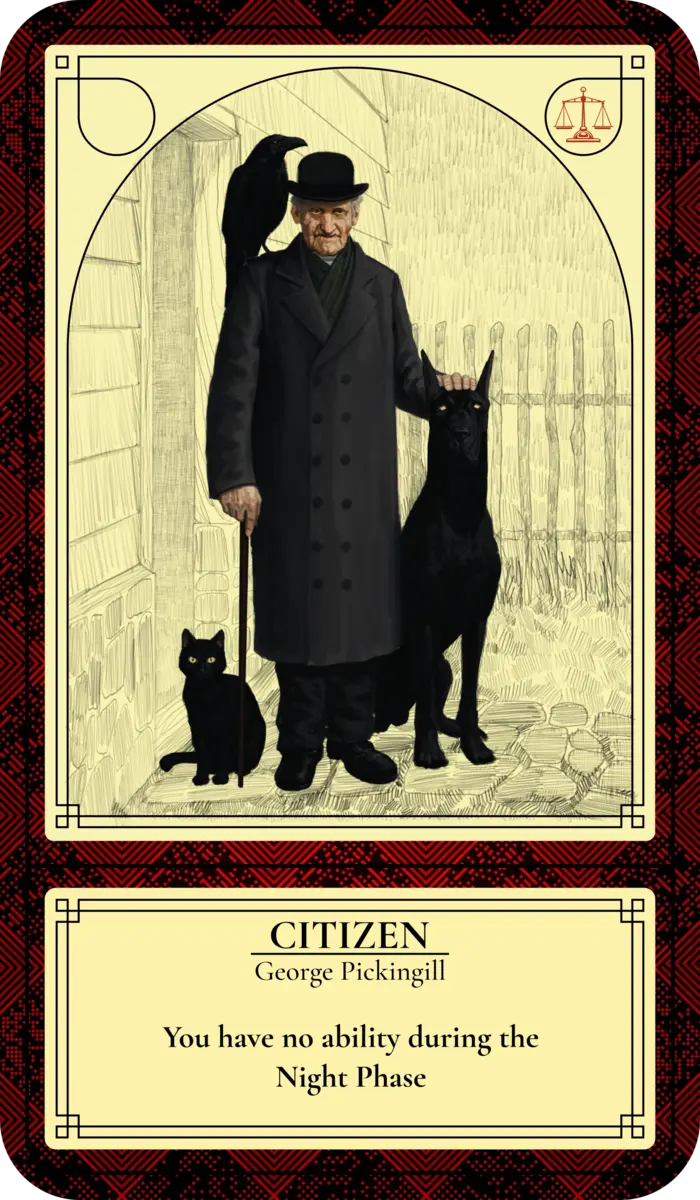
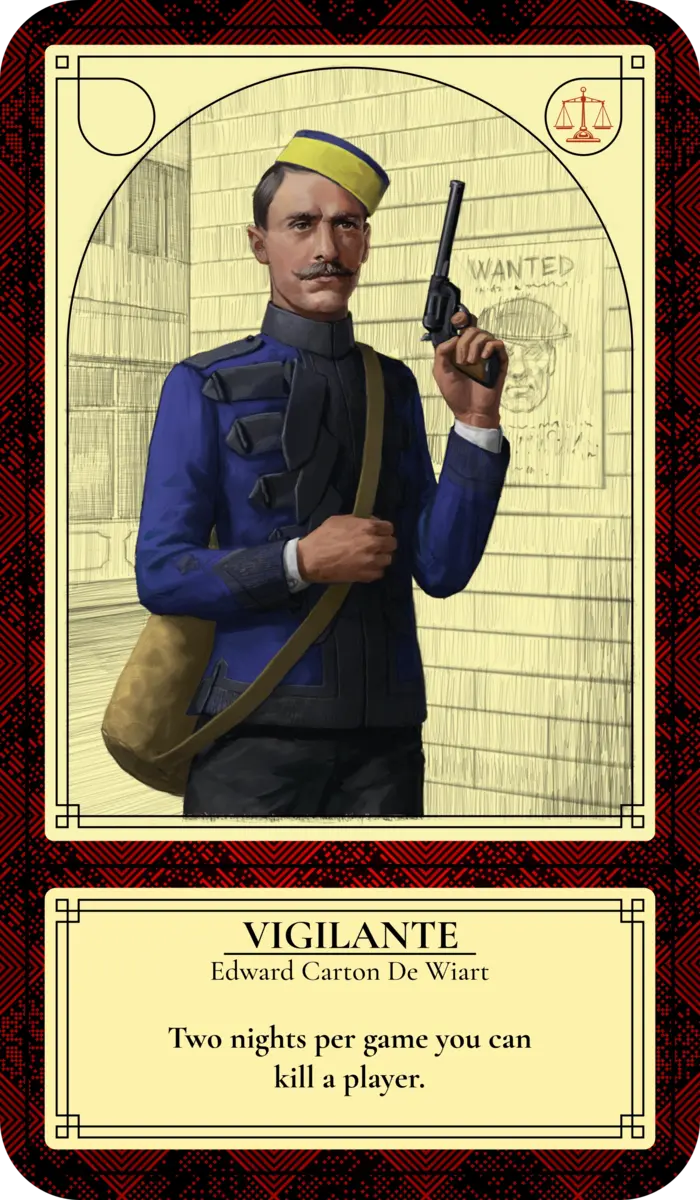
Your card tells you two things: your team, and — for some players — a night job. Most City players are plain Citizens with no night job at all, and that’s not a booby prize: the day is their whole game. One tip for hosts: don’t stop the deal to explain every card in the box. It kills the mood and nobody remembers any of it. Anyone who’s lost can read the mafia roles after the cards are out.
Why cards beat paper: the host sees a printed name and a face instead of deciphering handwriting, and a player can double-check their identity without whispering “wait, what did you write?” The mechanics of handing them out are under How to deal the cards. And for a first full table — run The Lamp and the Lancet, and keep the fancy extra cards boxed until the group can get through a game without anyone peeking.
How to play mafia without cards
No deck? No problem — how to play mafia without cards is slips of paper. The host writes one role per slip, folds them, shuffles them in their hands, and passes them out at random. Everything else is identical: same night, same day, same two teams. The host still sits out, still writes the night order, and still calls each role by name.
Keep the role names short and obvious: Assassin, Doctor, Policeman, Citizen. If your deal has two Assassins, write “Assassin” on two slips — those players need to find each other when their role wakes up. And say this out loud before the first night: a wake is silent. You point; you don’t whisper. Paper games leak more than card games, because somewhere in people’s heads sits the idea that homemade rules are optional rules. They’re not.
Paper mafia is for the kitchen table with six people and no box. It’s for the train, when you’d rather not fan printed cards across a carriage. When you do get hold of The Final Witness, switch to cards. Nothing about the game changes — only the thing in your hand.
And if nobody wants to sit out as host, there is a third way: play mafia without cards or a narrator. Everyone’s phone deals a hidden role, and the app runs the night, so the whole room gets to play.
How to play mafia with 6 players
How to play mafia with 6 players means six people holding cards, plus a host. Whatever you do, don’t deal the eight-player Lamp and the Lancet and just leave two cards in the box at random — you could accidentally box the Doctor and never know. Shrink the deal on purpose instead.
Deal exactly this: one Assassin, one Policeman, one Doctor, and three Citizens. The night is short and easy to call — the Assassin (there’s only one), then the Doctor, then the Policeman. Statements, dawn, and trials all run exactly like a big game. The City wins when the Assassin is caught. The Assassin wins by reaching the point where they can match or beat what’s left of the City in a vote — often that means it’s down to the last two people alive.
Be honest with your group: six is fragile. One night kill plus one wrong vote and half the table is gone. The Doctor carries this game — with only one kill coming in each night, a good save changes everything. And if you’re the Assassin, don’t come out swinging like a detective on day one; in a six-person room there’s nowhere to hide afterwards. Got a seventh person? Seat them and use the seven-player deal rather than stretching this one.
How to play mafia with 7 players
How to play mafia with 7 players: seven people holding cards, plus a host. Deal one Assassin, one Policeman, one Doctor, and four Citizens. Yes, one Assassin — a second killer at seven feels tempting and ruins the game. The City would barely hold a majority, and one night could flip the whole vote.
Play it like the six-player game with one more voice in the room. That fourth Citizen changes more than you’d think: one more vote with no night job attached, and one more face the Assassin has to imitate. A quick maths note that trips up new hosts: putting someone on trial takes half the living players plus one. With seven alive, that’s five hands. After the first death, it’s four. Recount every single time — never reuse yesterday’s number.
When an eighth player shows up, move to How to play mafia with 8+ players.
How to play mafia with 8+ players
How to play mafia with 8+ players: eight or more people holding cards, plus a host. This is the point where your living room starts playing the real published game.
With exactly eight, you’re playing the published teaching game: The Lamp and the Lancet — two Assassins, one Policeman, one Doctor, and four Citizens. The night runs the standard basic order: Assassins, Doctor, Policeman. Fair warning: two killers against eight is tight. The City holds a majority, but one kill plus one wrong vote brings the Mafia within reach of the end. Count the living before every single night.
At nine, add a fifth Citizen and you’re playing The Ninth Chair exactly as published. From here, growing the table is easy — just don’t invent extra Assassins as the room fills up. Use the printed lists instead: there is a published deal for every size of room from six to twenty-seven, all on the setups page. Got more people than a list mentions? Pad with Citizens, or step up to the next list.
Eight and up is The Final Witness played the way it was designed to be taught. Six and seven are the living-room sizes above.
How to deal the cards
Shuffle the cards — or the folded slips — for the setup you picked, and give one to each living player. From that moment the etiquette is simple: look at your own once, then hide it, and never so much as glance at your neighbour’s. While people are looking, the host runs a quick check: who’s playing, which deal is out, and is the night order written down? Then the talking starts.
If you’re dealing from The Final Witness, shuffle with the card backs up. One flashed torch or eye during the deal and the game is spoiled before it starts — and no, it isn’t a funny story, it’s a redeal. Cards you didn’t use go face down in the box, out of everyone’s reach. The host may check the live pile before dealing to make sure the count is right, but they keep a straight face about what’s in it.
And once your card is hidden: talk like yourself. The players who get caught are usually the ones who suddenly start speaking like a rulebook.
Opening statements
The oldest player goes first, and the round moves left. Each living player says a name and claims a team — “I’m Anna, and I’m City.” That’s the entire requirement. No role names needed, and no honesty either.
With a new group, expect the whole circle to claim City one after another. Perfectly normal — and no, you haven’t learned anything yet, which is fine, because the first night is about to teach you plenty. If some joker claims Mafia out loud in the first round, let them; they’re either very brave or very confused, and both are informative. Don’t stop the round to interrogate anyone. Once the last person has spoken, the host calls the first night. There’s no trial before it — nothing has happened yet. Morning brings the first real information: a body, or a strangely quiet night.
The night, step by step
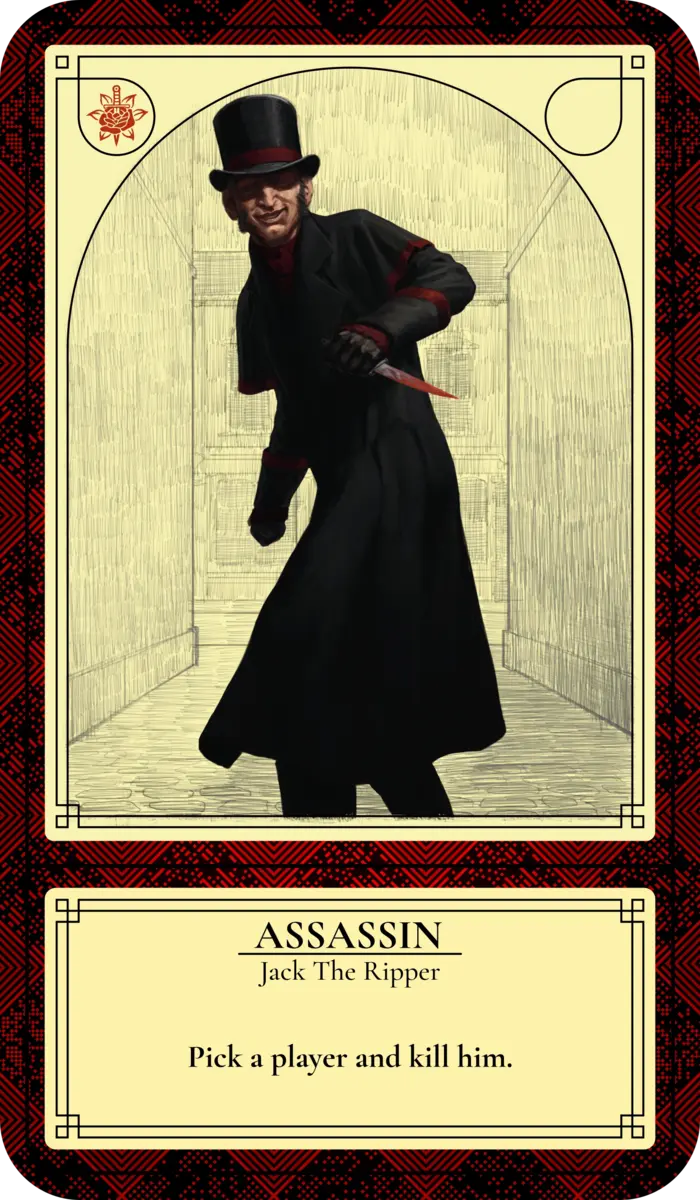
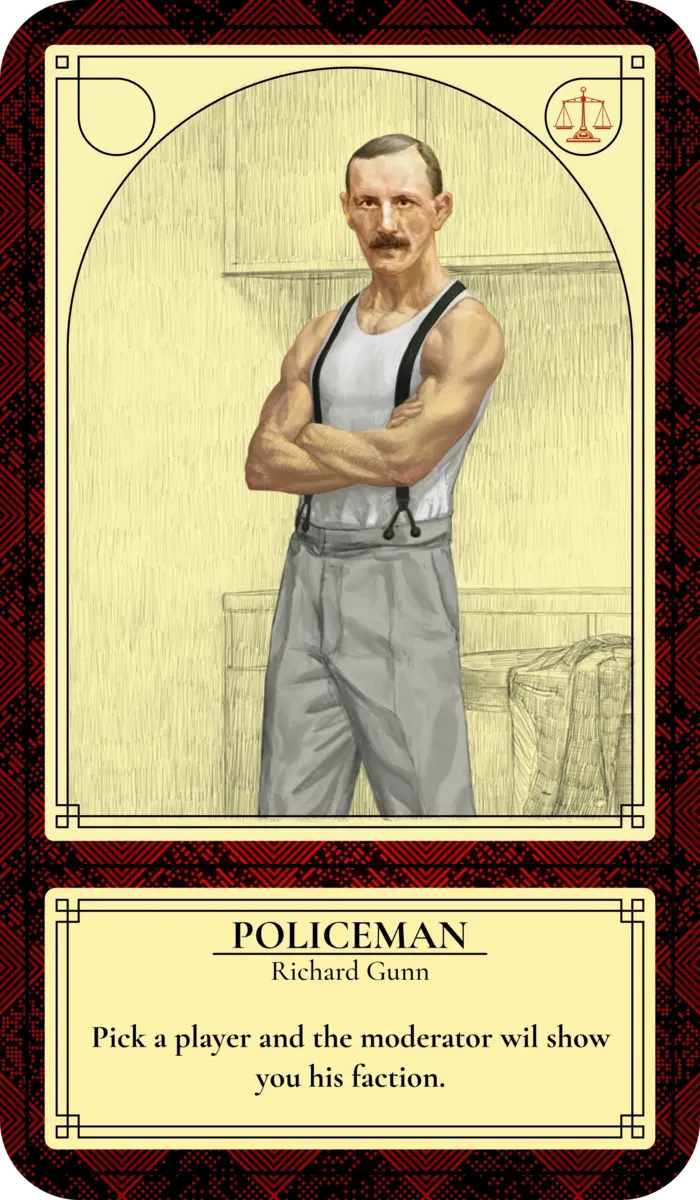
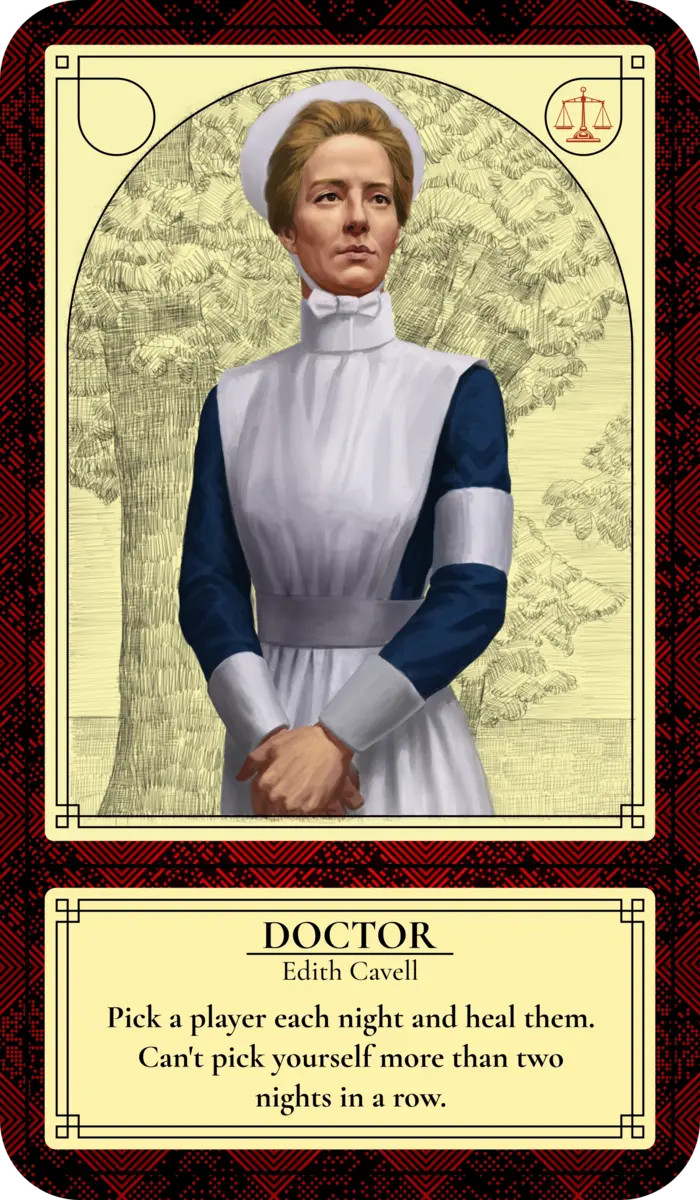
Everyone closes their eyes, and the host starts down the written list, calling one role at a time. A wake works like this: the host says the role’s name, those players open their eyes, they point at their choice, and they close their eyes again. All of it in silence — a tap, a point, a nod. If your role wasn’t called, your eyes stay shut. No talking, no giggling out a name. The soundtrack of a good night is chairs creaking and people breathing — never a plan being made.
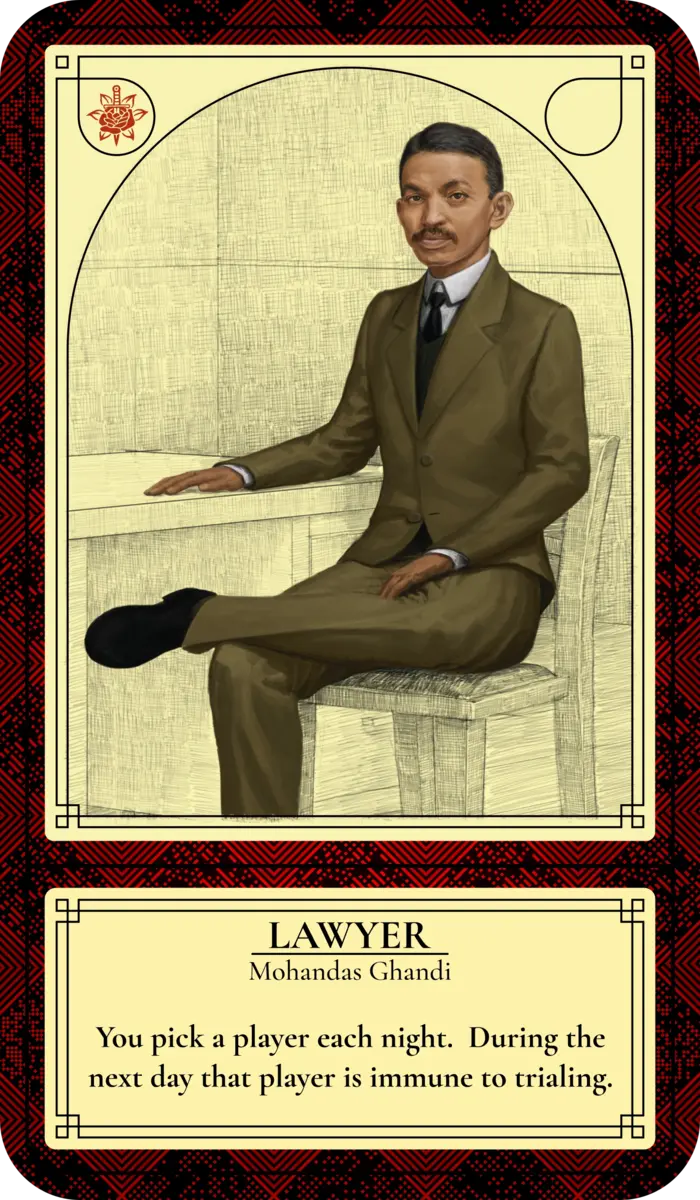
In the basic deal — and in the six- and seven-player games — the night is deliberately short so a new table can learn it. The Assassin or Assassins agree on one victim. The Doctor picks someone to save. The Policeman picks someone and learns their team — team, not role: the host shows City or Mafia, never “Doctor.” In bigger deals that include the Lawyer, he also marks one player who can’t be put on trial tomorrow.
A word about peeking, because it will happen: hats, long fringes, and “I was just resting my eyes” are the classic offenders. Hosts, position yourself where you can see mouths and hands. Assassins, if there are two of you, agree by pointing — don’t hold a whispered committee meeting. And a note for players coming from other versions: some mafia variants skip the kill on the first night. This one doesn’t. Night one is a real night.
The host can run all of this on a tiny script — “eyes closed,” a role name, “point,” “sleep” — without ever hinting at who’s still alive. Every spoken line, including fake wakes for dead roles, is written out on the mafia game narrator script. The full wake order for bigger deals is on the night phase page. And if two night jobs land on the same person, don’t stop to debate it in the dark — finish the night, open eyes, then settle it with the mafia game rules.
Dawn: who died in the night
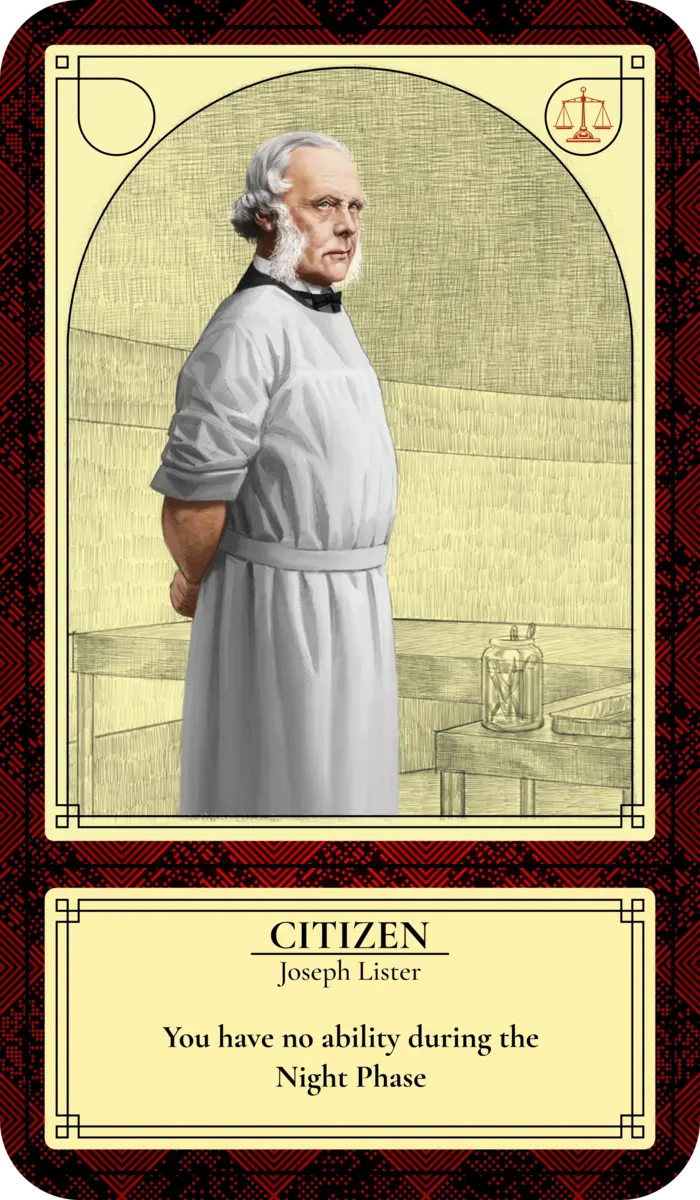
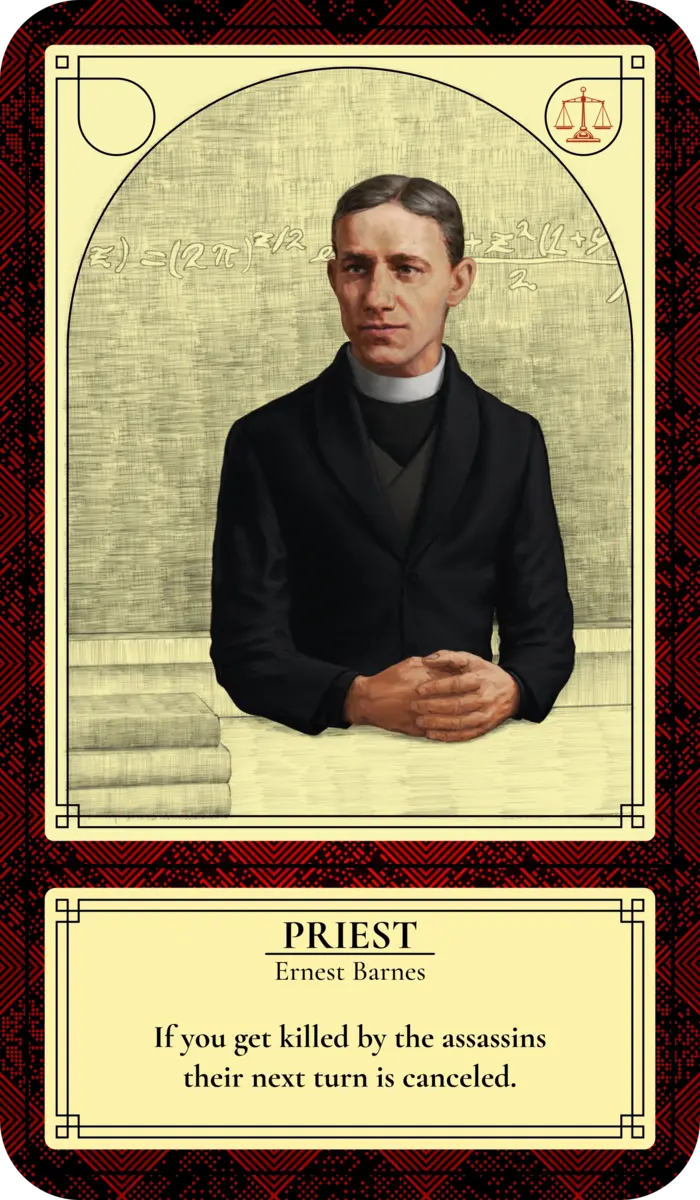
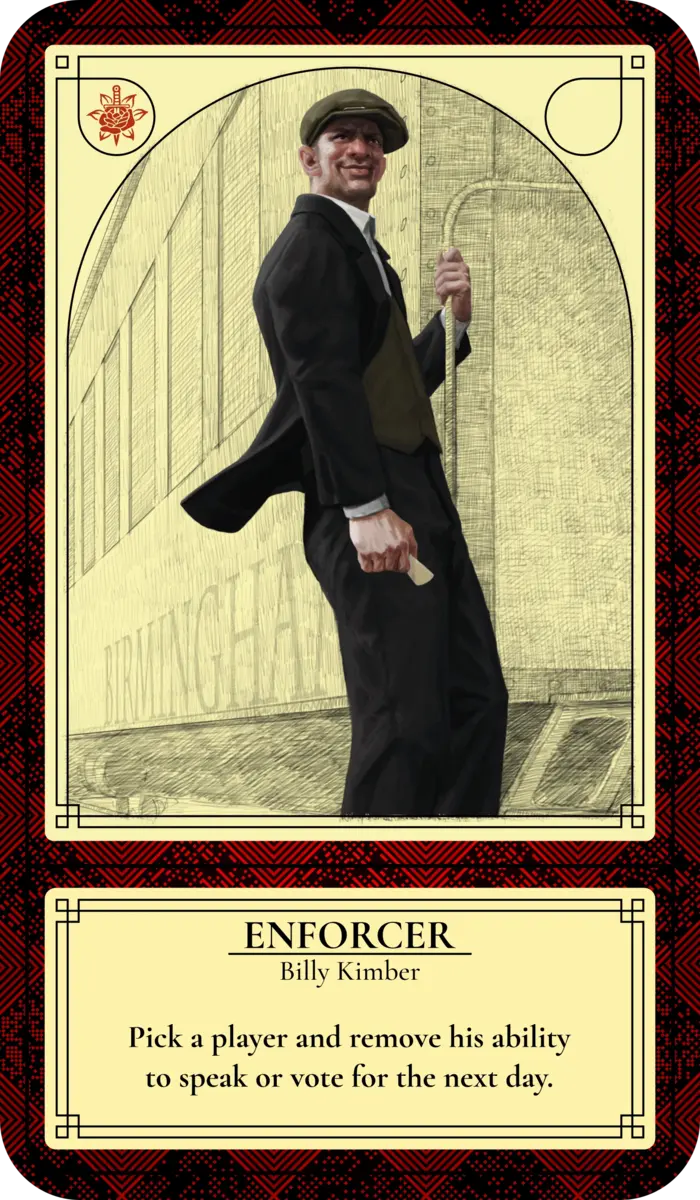
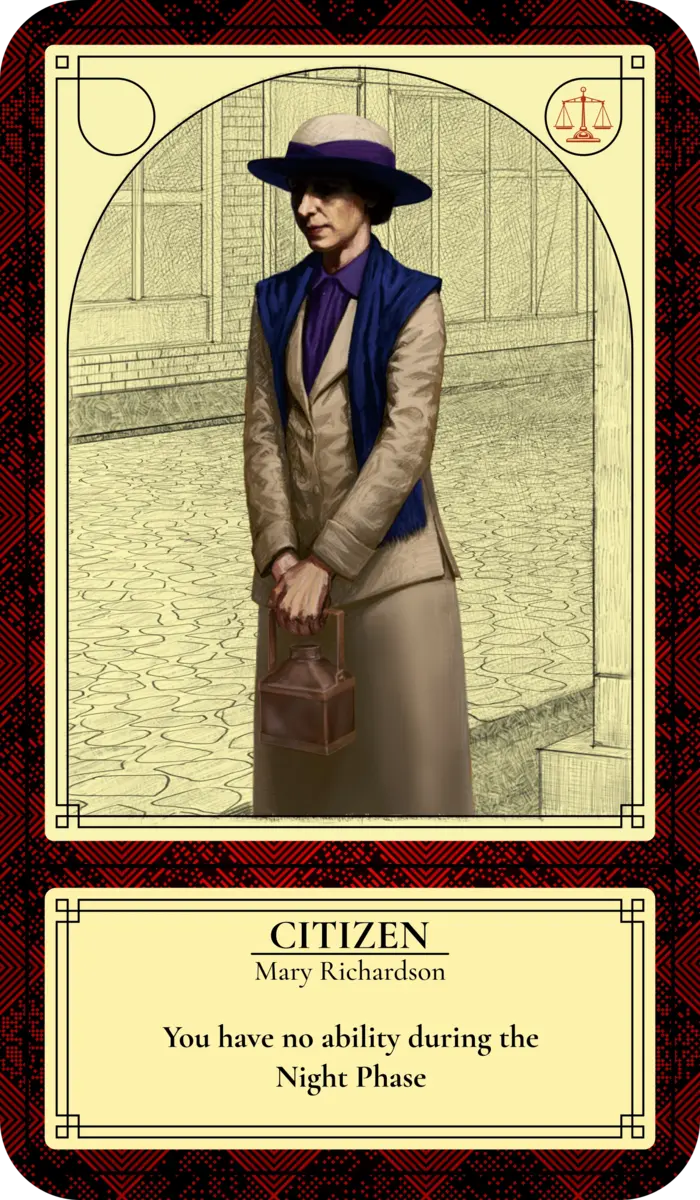
Eyes open. The host announces the night’s deaths — “James didn’t survive the night” — or announces that everyone did. Names only, never roles. The dead are out of the game completely: no talking, no voting, no card reveals, though they’re welcome to stay and watch. Watching quietly, that is — no meaningful eyebrows from the sofa.
Don’t rush past a quiet night, either — it’s a clue like any other. Maybe the Doctor guessed right. Maybe nobody was targeted at all. Maybe someone’s plan went wrong. Announce it properly and let the table chew on it. Then the day begins: the living talk until they’ve built enough agreement to actually put a name on trial.
Day and the trial
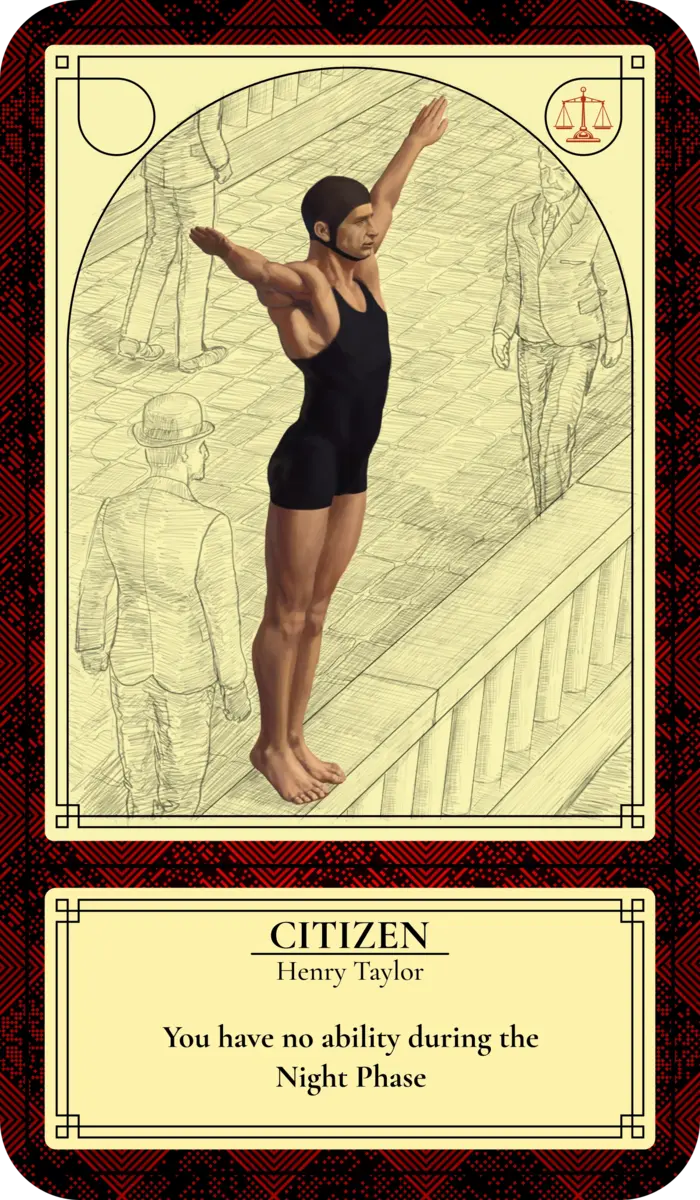
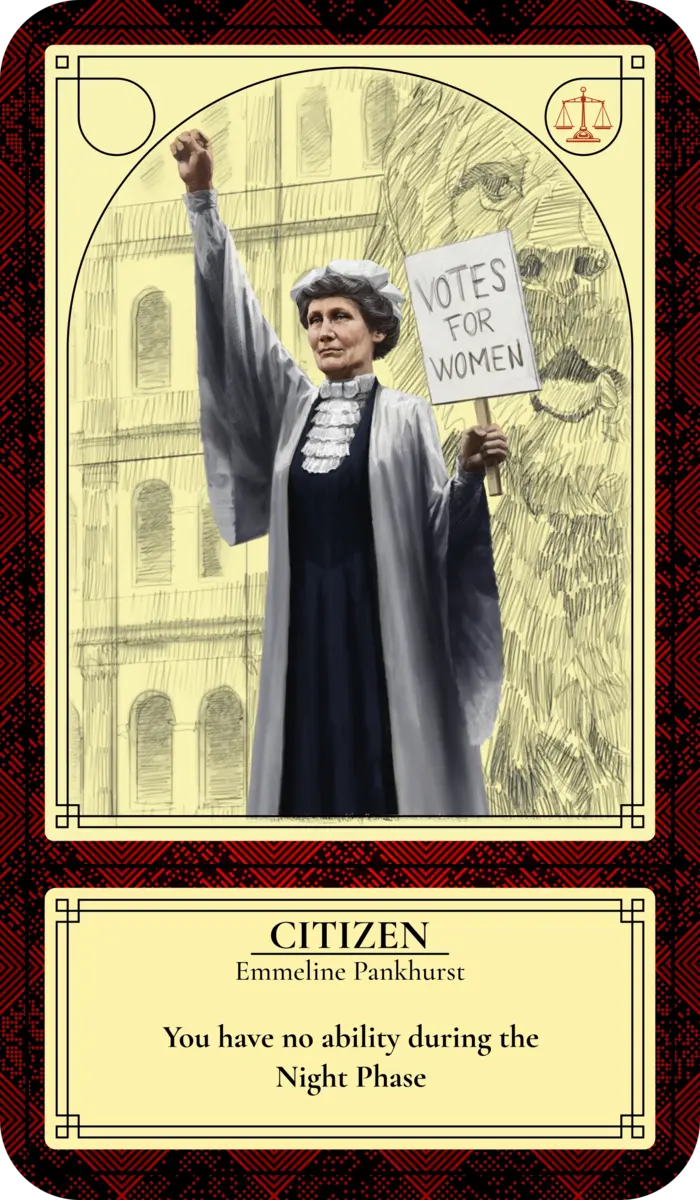
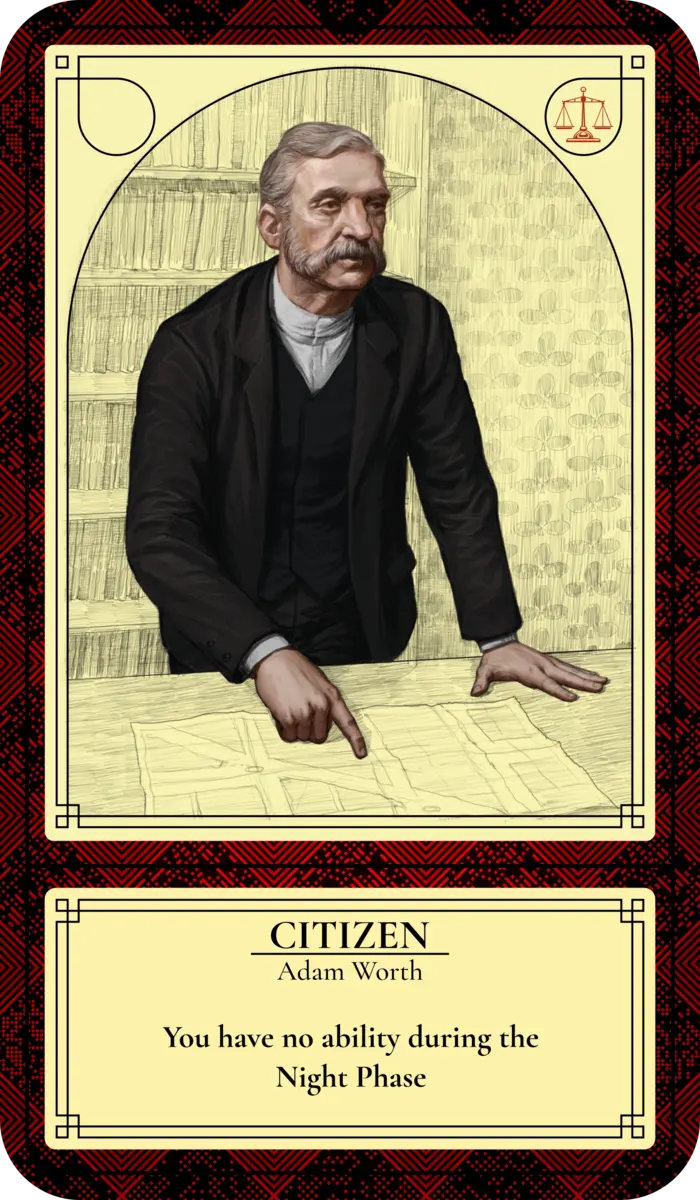
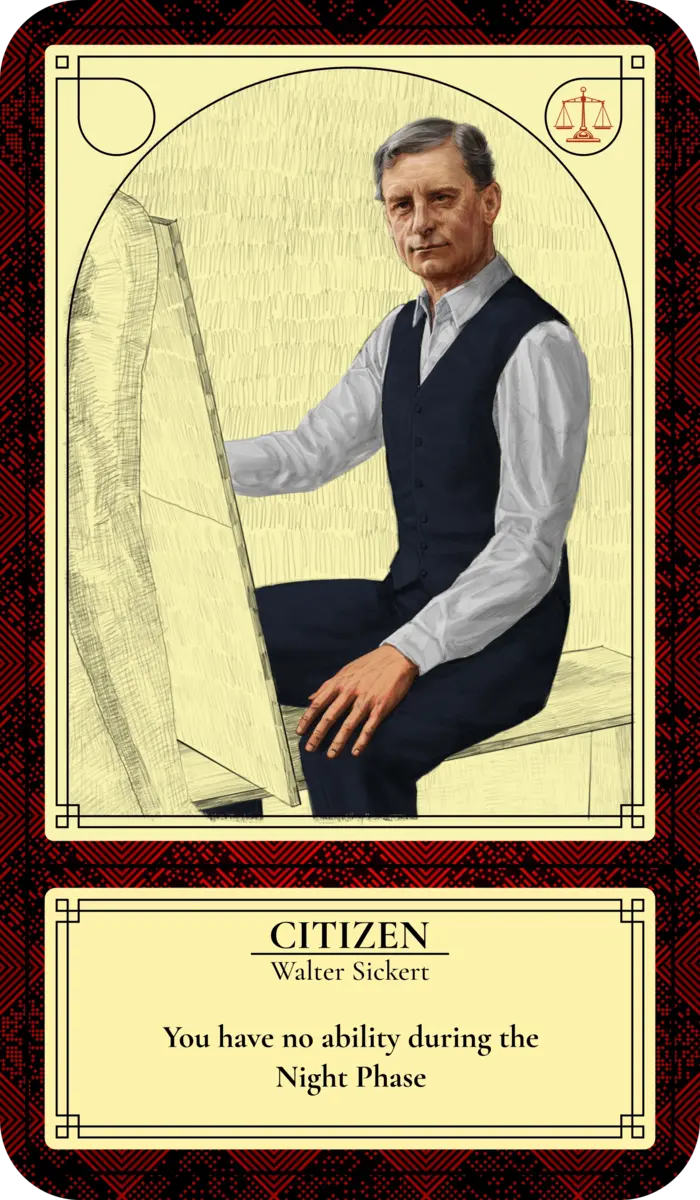
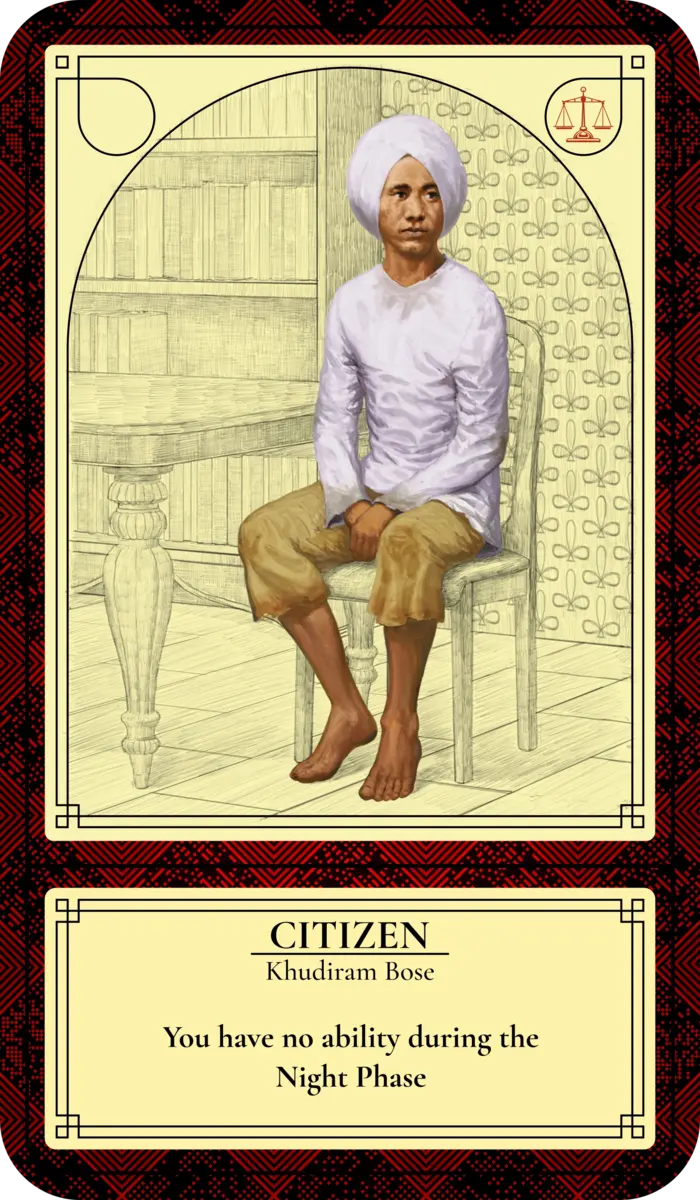
Here’s the half of the game people fall in love with — the talking. Everyone living can speak, and anyone can accuse anyone. A trial opens when half the living players plus one back the same name, counted in raised hands, not decibels. Then it runs like a tiny courtroom: the accusers make their case, the accused speaks last, and the table votes live or die. The person on trial doesn’t vote on their own fate.
The best material is what actually happened in front of you. “You skipped the first statement.” “You and Jamie have voted together every single day.” “Nobody died last night, so either the Doctor guessed right or the kill went wrong.” Observations like those swing tables; lectures about what some role might theoretically do don’t. If the vote says die, that player is gone — silent, card still hidden. If it says live, they sit back down, and that tells you something too. Then the table keeps talking, or the host checks whether someone has already won and, if not, calls the next night.
One habit to build early: recount the living after every death. The five hands that opened a trial at nine players won’t open one at six. Who can’t be put on trial — and when the table is forced to vote again instead of going to sleep — is covered in the day section of the rules. There’s also a step-by-step of the accusation round on the day phase page.
How to play mafia as City or Mafia
Two teams. That’s the entire political map: City and Mafia, nobody else. And mafia is a team sport all the way down — if your team wins, you win, even if you were voted out on day one. If your team loses, you lose, even if you fooled everybody.
Playing City. Your job is to vote the killers out before they thin you down to nothing. Most City players have no night job — the vote and the voice are your whole arsenal, so use them. Watch behaviour: who pushes names, who goes quiet, who changes their story between days. Don’t burn the first day lecturing the table about every card in the box; the answers are in the people, not the manual. And if your card says Citizen, hold your head up — you outnumber the Mafia, and their entire plan depends on you voting out the wrong people. When you need a City card explained, it’s in City roles.
Playing Mafia. You kill by night; by day, your only job is to be boring. You need City players voted out, which means you need a story you can repeat for the whole game without tripping over it. Coordinate loosely — if all of you claim the same rare job, someone will notice. As an Assassin in the basic game, remember the kill is already yours every night; the day is where you get caught, and it’s almost always from pushing a name too hard. In a six- or seven-player game there’s even less crowd to hide in, so a calm, unremarkable Citizen act beats any clever night play. The faction page is Mafia roles — homework for before a serious game, not reading material during one.
The game ends when the City has removed the killers, or when the Mafia can win the next vote outright. Hosts: count the living before every night, because the game can already be over without anyone noticing. The exact win line is in the rules.
How to host a mafia game
Hosting is mostly preparation. Write the night order before the first night, then call that exact sequence, in that exact voice, every night after. You can say “Assassins, wake” without betraying how many are left. What you must never do is skip a role’s name out loud in a way that tells the room somebody is gone — you’re the only person at the table entitled to know who’s still in the game. If you drew the Narrator card, congratulations: this is you. And if you’d rather read than improvise, the mafia game narrator script gives you every line.
Keep a private note of the night’s kill, save, and check, plus anyone who can’t be tried tomorrow. Everything that happens in the dark stays in your notes. Go slow — slow is invisible, and rushing is how someone sees a wake they shouldn’t. If you do slip — a missed call, a glimpsed card — stop and follow the error notes on the rules page. Don’t wing a fix in front of open eyes, and don’t turn the mistake into stand-up comedy for the room.
What you don’t need: a costume, a spooky voice, or a personality transplant. What you do need: a clear voice, your written list, and the will to cut a speech off once it starts circling. First-time tables get The Lamp and the Lancet. Kitchens of six or seven get the small deals above — not a grab bag of interesting-looking extras. Once your group finishes a game with no peeking, add a published setup. And expect to fumble something the first time you host. Everyone does. Run the game anyway.
What to read next
That’s everything: the loop, the player counts, cards or paper, the small-table deals, then deal, claim, night, dawn, trial, and the win. From here — the mafia game narrator script for lines to read in the dark, the night phase for the full wake order with extra cards, the day phase for the accusation round in detail, the mafia game rules for vote counts, clashes, and the FAQ, and mafia roles for every card in the box.