What are psychology games?
Psychology games are table games — cards, a simple board, sometimes nothing but a word — whose main puzzle is another human being. The rules hand you incomplete information on purpose, then ask you to fill the gap by reading someone: what they know, what they meant, whether they are lying. Your evidence is whatever a person gives off. A sentence. A silence. A clue that was slightly too helpful. A vote cast half a second too fast.
That is a different kind of thinking from a trivia night or a race across a map. In a trivia night the answer lives in a fact, and the fact does not care who is asking. In a psychology game the answer lives in a person, and the person is actively working on you. Wavelength asks where this particular friend puts “hot.” Insider asks who already knew the word. Mafia asks the hardest version: who is hunting the table while smiling at it?
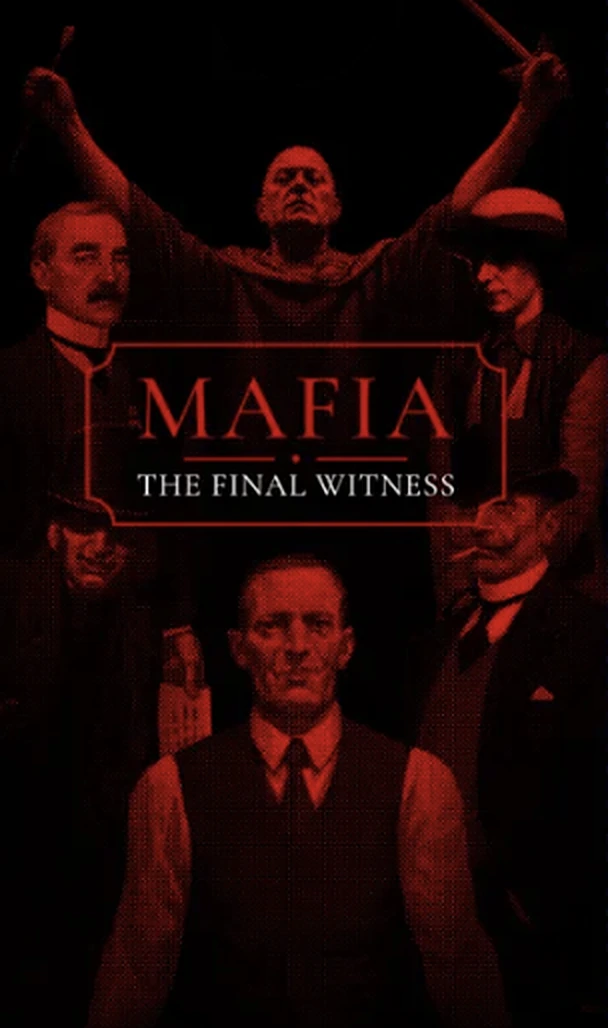
Dimitry Davidoff's Mafia is the clearest origin story this family has. In 1986, at Moscow State University, he set a majority against a small informed minority to see whether ordinary people could catch a lie without hard proof. The game escaped the classroom and spread around the world for a simple reason — the experiment is fun to be inside. Mafia: The Final Witness is that game as a mafia card game you can deal tonight. The steps are on how to play mafia.
What are psychological games?
Psychological games are games that put pressure on how people actually think. They take real mental habits — bias, tells, group agreement, the urge to fill a silence — and turn them into something you can win or lose. Mafia is a psychological game because it makes a whole room hunt one lie. Wavelength is one because it tests whether two friends mean the same thing by the same word. Insider is one because a single too-helpful question can give you away. The term does not mean a therapy worksheet, a horror game on a screen, or the unkind “games” people play in an argument — it means the friendly kind: a game you explain once, deal, and finish in a room with people you like.
Hidden teams, a night, and a vote are one branch of this. That branch has its own page: social deduction games. If the feeling you want is the village game and its cousins, that is games like Werewolf. Psychology games is the wider set. Some titles on this page have no traitor at all. You can still be reading a mind.
How psychology games work
Most psychology games stand on a handful of habits that real people cannot switch off. The designers did not invent those habits — they just noticed them and built a scoring system around them. Six show up again and again.
Theory of mind
You do not ask “what does this word mean.” You ask “what does this word mean to them, with these other cards on the table.” Codenames and Decrypto are built on that. Wavelength is the same skill on a line instead of a grid.
Lying, and how badly we spot it
People are only a little better than chance at spotting a lie from a face. That is why Mafia is a group vote, not a stare-down. One person can be sure and still be wrong. The room has to put reasons next to a name.
Hidden knowledge
Someone at the table already knows the word, the team, or the mark on the line. Insider, a Fake Artist, Werewolf, and Mafia all hide that fact and then ask the group to find it. The tell is often a question that helps a bit too much.
Silence
The Mind takes the words away on purpose. You still have to agree. You watch when a hand moves. Psychological games do not all need a speech. Some of them need you to sit in the quiet and not panic first.
The first loud voice
In a Mafia day, the first clear accusation often sticks. People look for social proof. A good host slows that down so the table hears more than one story. The same cascade shows up in Insider and The Chameleon when one person sounds certain.
A shared picture of a word
Wavelength, Dixit, and a Fake Artist all ask whether two people are looking at the same meaning. When you miss, you learn something true about a friend: their “dangerous” is not yours. That is the whole pleasure of the quieter psychology games.
Folk versions of all this exist too. Two truths and a lie, wink murder, and a circle of “would you rather” are psychology games with no box at all, and they make fine icebreakers. What they lack is structure — a deal, a win condition, a reason to keep the pressure on. If you want a first boxed night that still feels like an experiment, start with Mafia for a big room or Wavelength for a mixed one.
The 7 best psychology games
These psychology games are ranked for a room that wants to read people, not for a room that only wants hidden teams. Table score is that ranking, out of ten. Community is the public BoardGameGeek average, rounded to one decimal. Mafia sits at number one because it is the psychology experiment the rest of this family keeps answering, and because this site publishes that game as a deck. The other six are titles you can deal when the night should not be a trial — or when the table is smaller than nine.
Mafia: The Final Witness
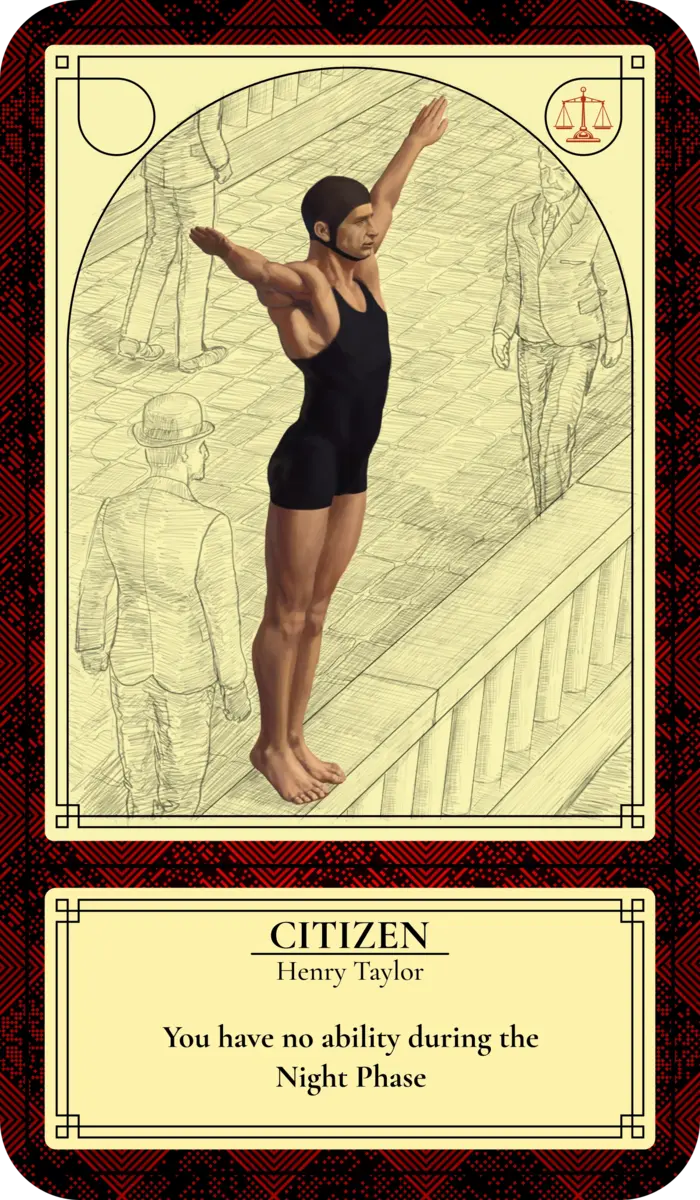
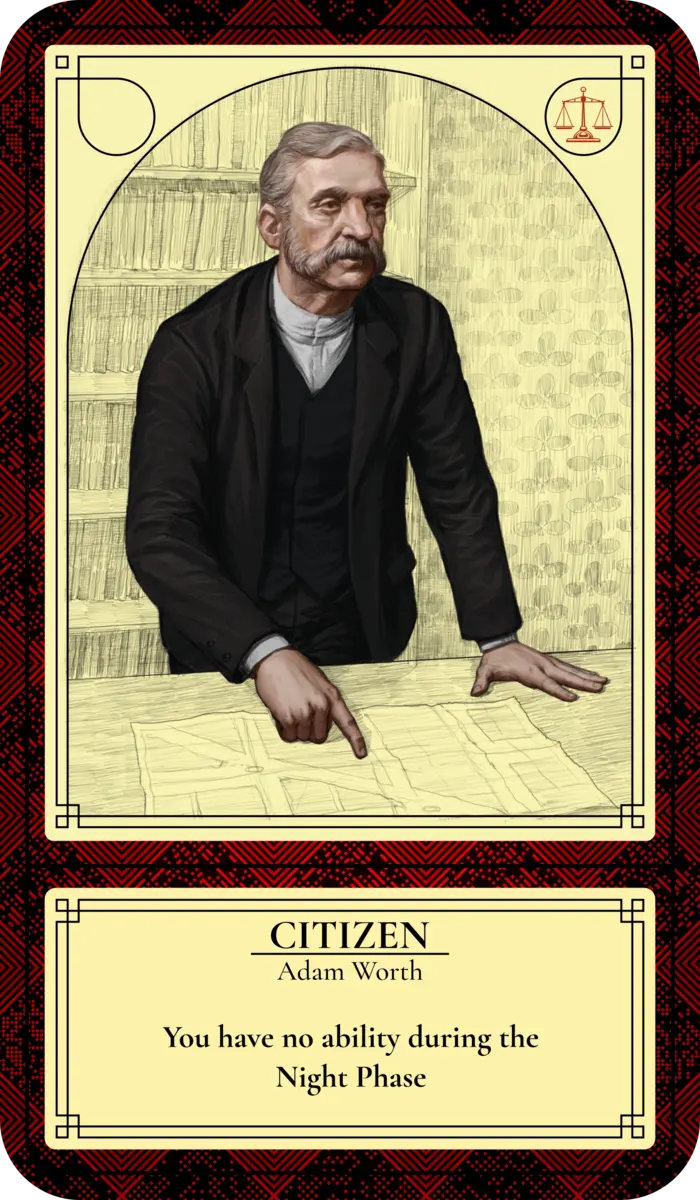
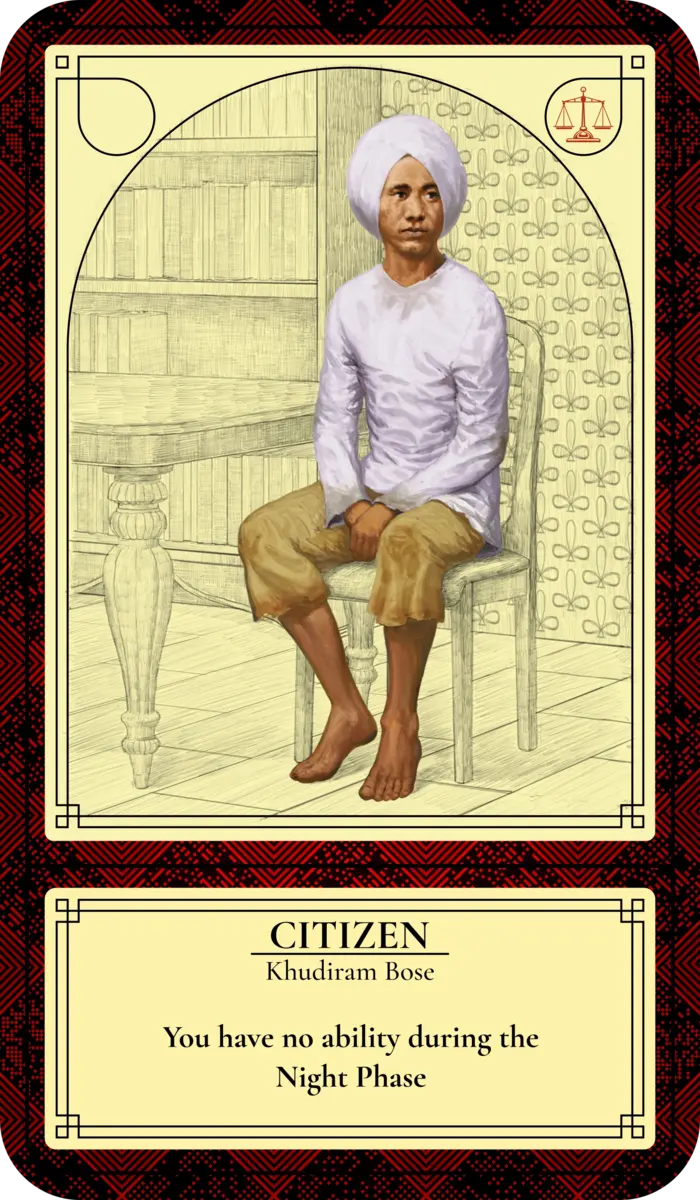
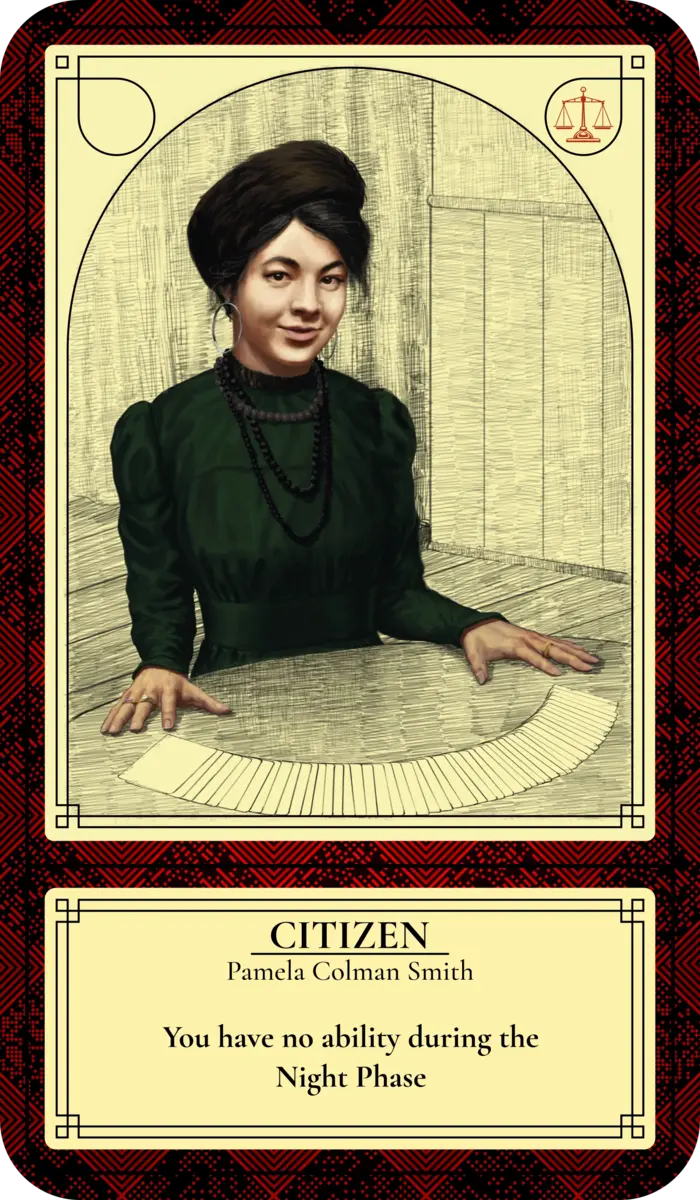
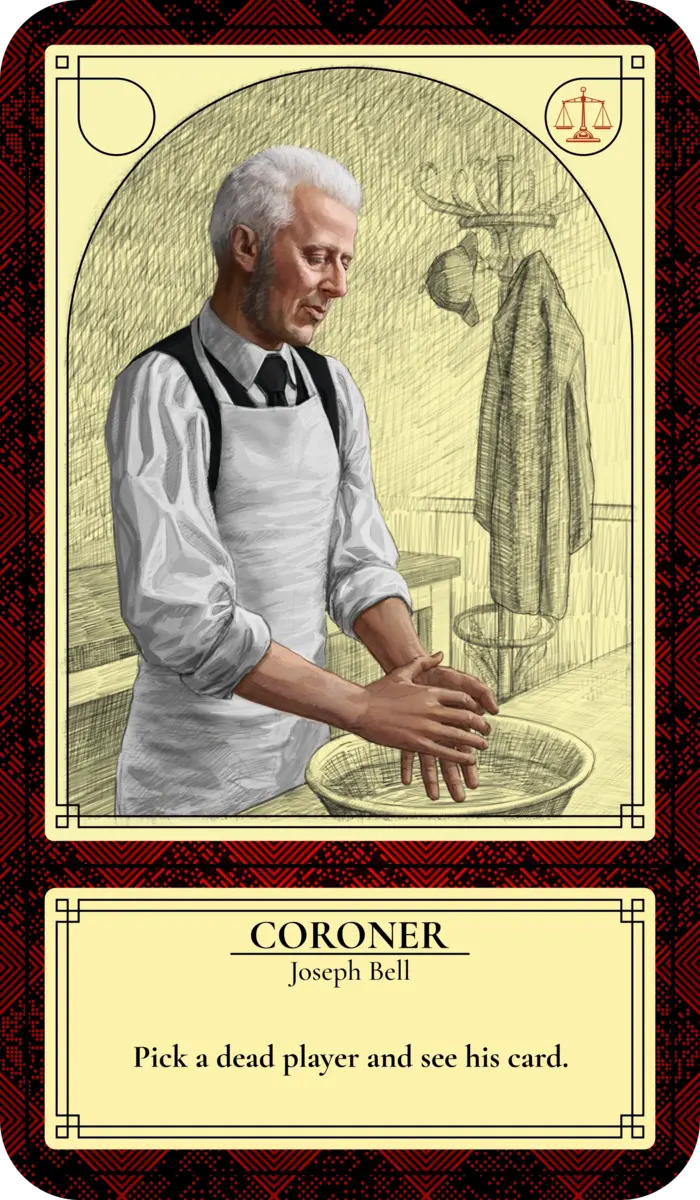
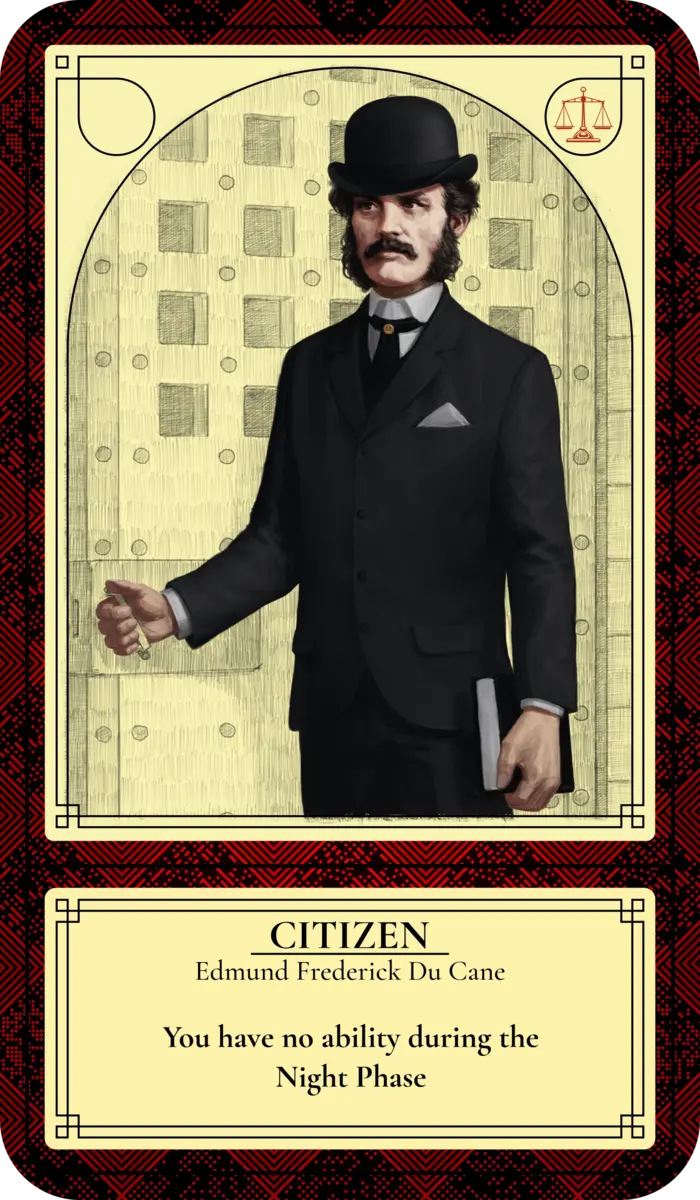
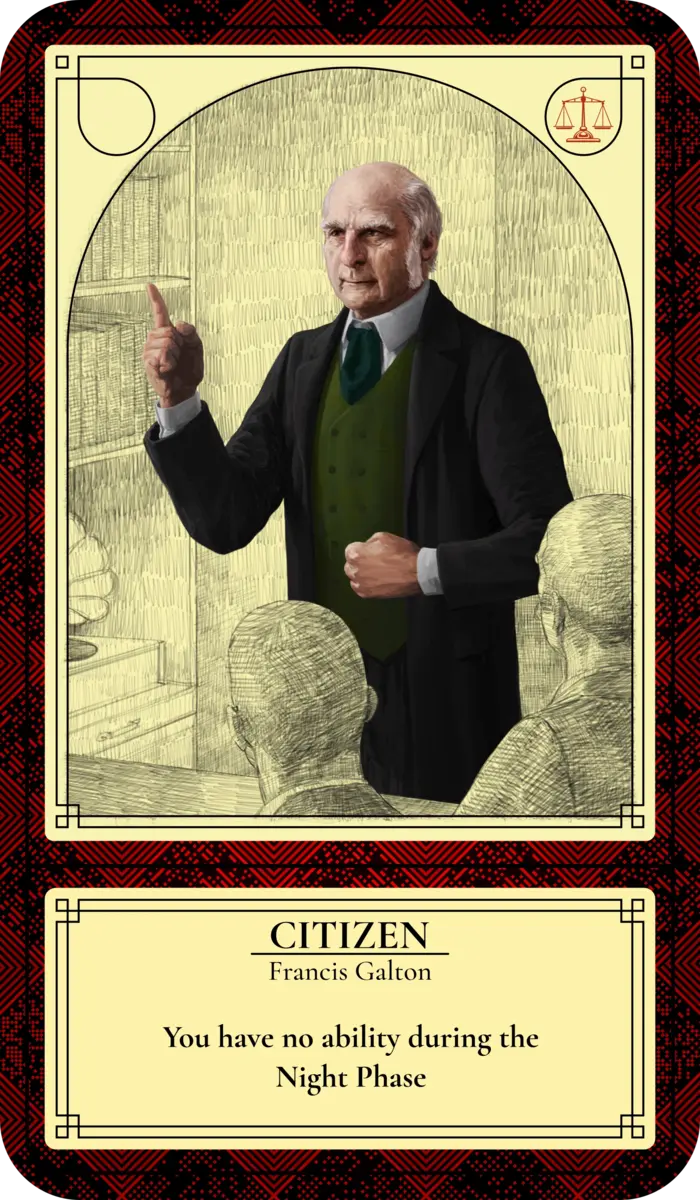
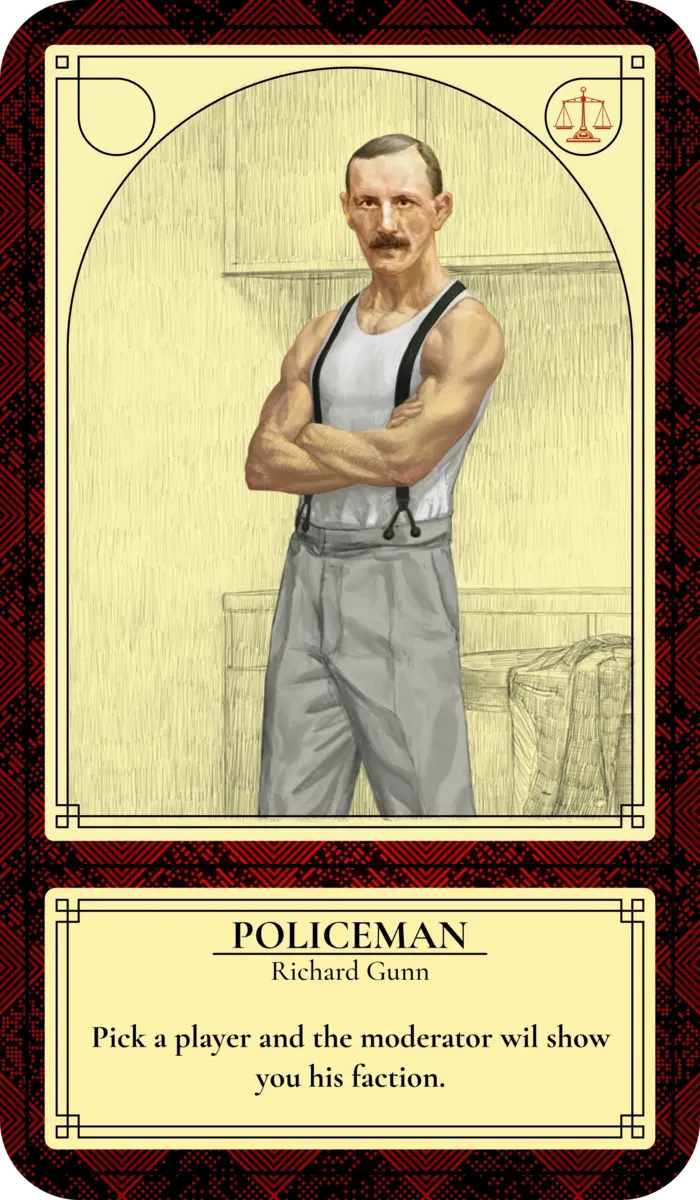
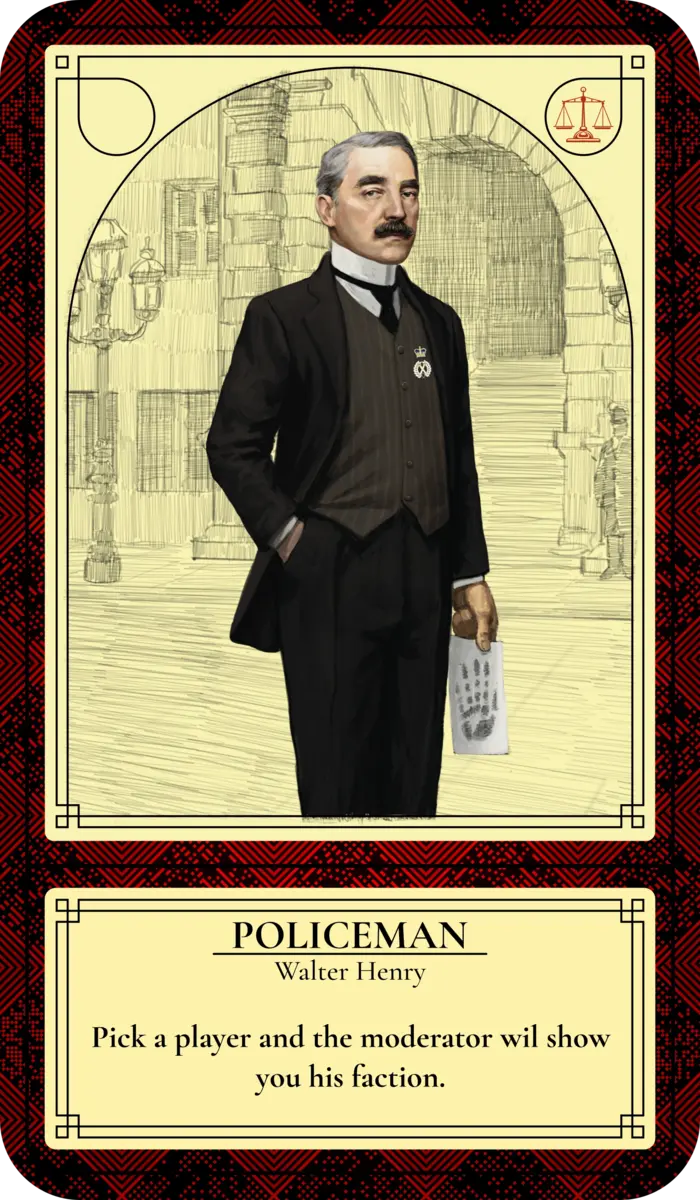
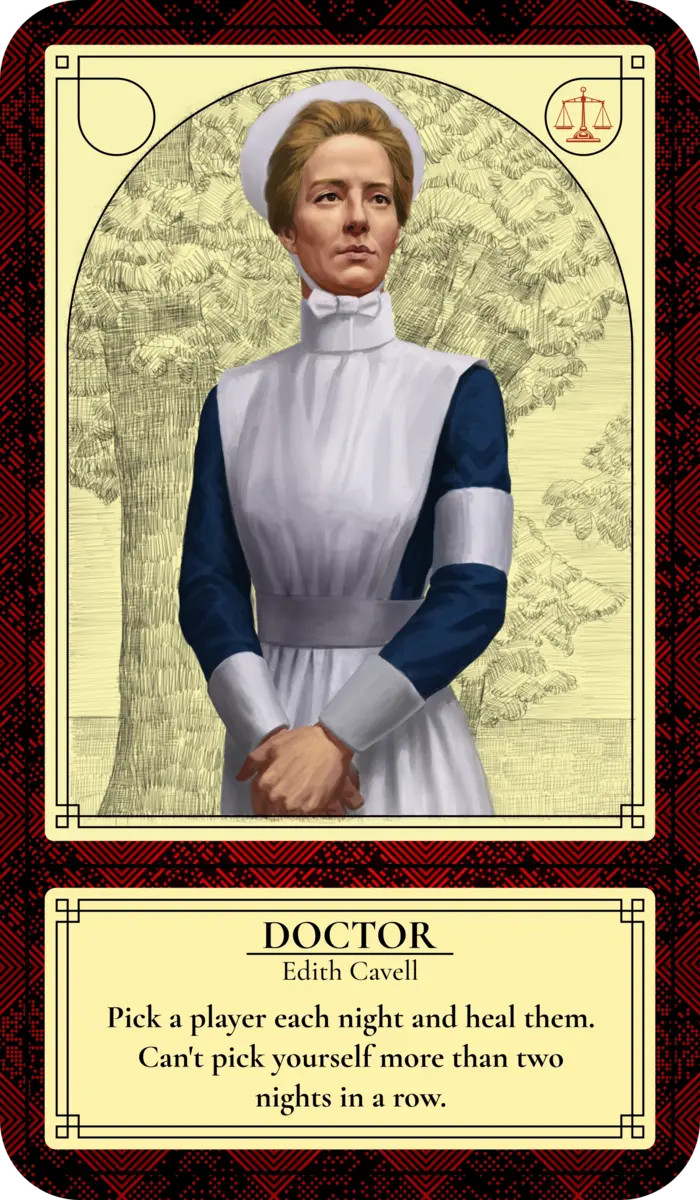
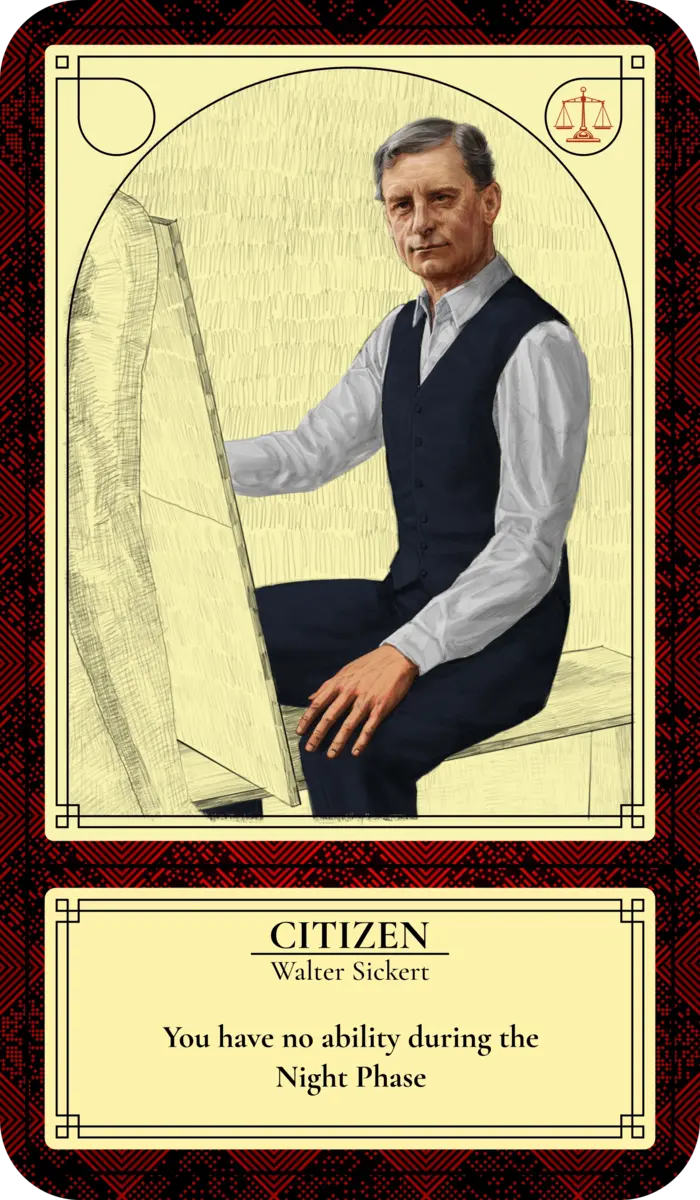
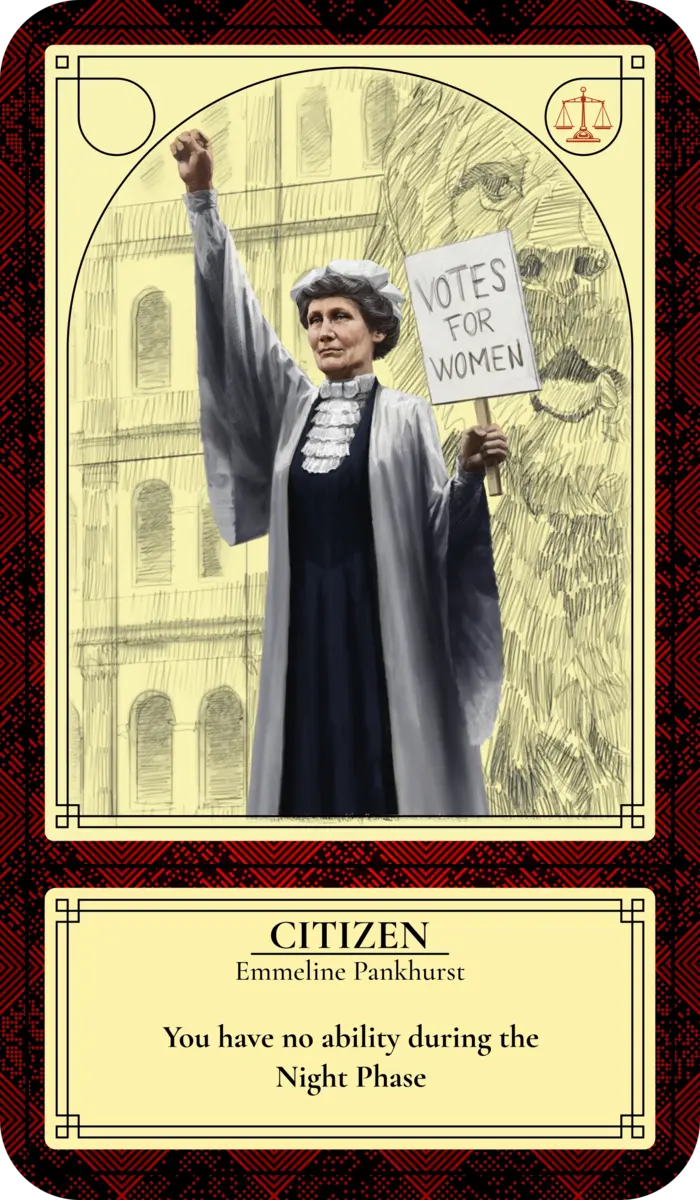
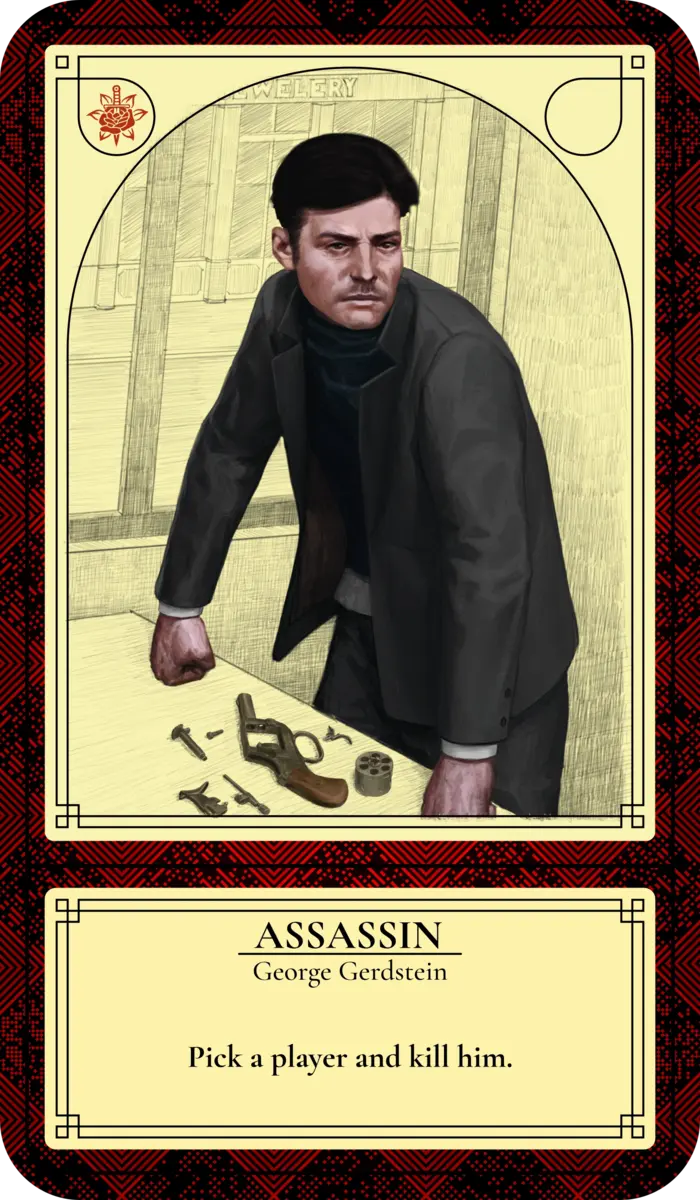
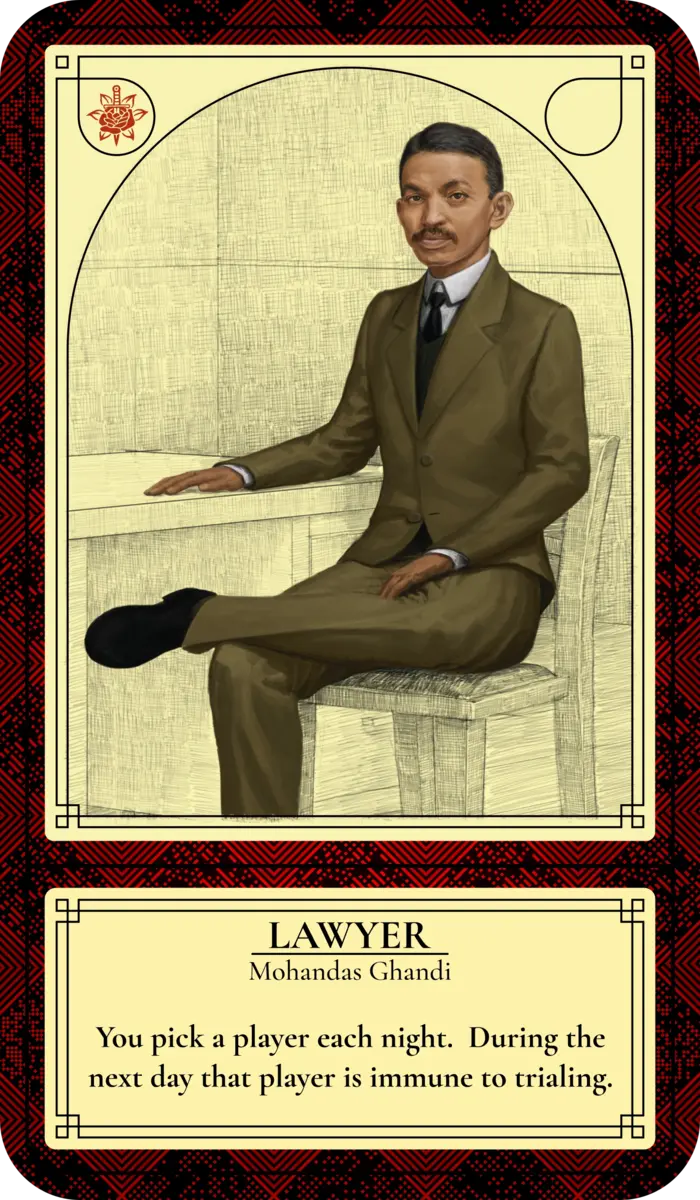
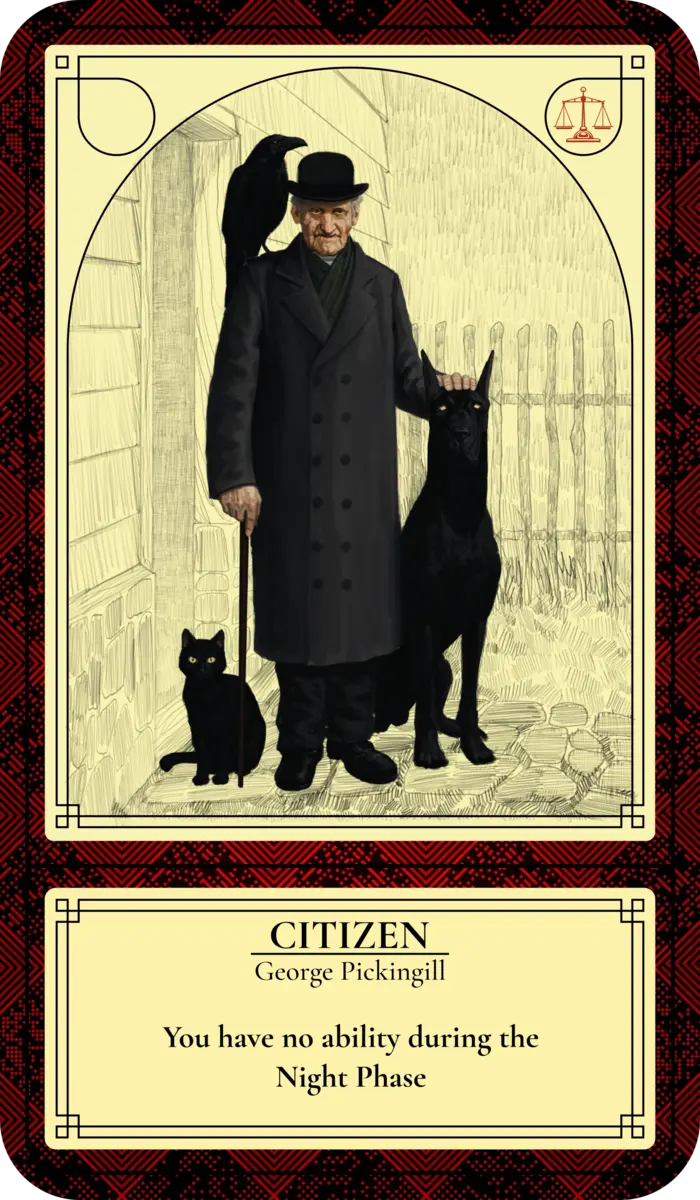
Mafia did not start as a party game — it started as a psychology experiment. Dimitry Davidoff built it at Moscow State University in 1986 to watch a majority try to catch a lying minority with almost no hard proof. Nearly forty years later, that is still exactly the game. You get a hidden card. Most of the room is City; a hidden few are Mafia. At night a few roles wake in secret, and by day the table talks, argues, and votes. Mafia: The Final Witness is that experiment as a published deck: characters drawn from real people, a host running the dark, and a room that has to decide who to believe.
Wavelength
Wavelength is a psychology game about how another person uses a word. One player sees a line — hot to cold, legal to illegal — and a secret mark on that line. They give a clue. Everyone else has to guess where the mark sits. You are not testing trivia. You are testing whether you and this person mean the same thing by “summer” or “regret.” Nobody is voted out. Mixed rooms like it because the shy player can still be the one who sees the card. BoardGameGeek sits around 7.3.
Official siteDecrypto
In Decrypto each team has four secret words, and a code of three numbers to pass each round. You invent clues that your teammates will read one way, and that the other team will read another. After a few rounds the intercepts start to land, because people cannot help repeating themselves. That is the psychology: a private language forming in public. It wants players who like words. The community rating on BoardGameGeek is high — about 7.8 — for a reason. It is denser than Codenames, and kinder than a night of accusations.
Scorpion MasquéInsider
Insider looks simple. There is a secret word. Most of the table does not know it. One player does — the Insider — and has to help the group guess without being noticed. Then the group votes on who that was. The tell is often small: a question that is slightly too useful, a pause that is slightly too long. Oink Games designed it to finish in about fifteen minutes. If you want the feeling of catching someone, without a graveyard and without a full Mafia night, this is the short version of that pressure.
Oink GamesThe Mind
The Mind is a psychology game with no speech at all. Each person holds numbers. You play them in order, as a group, without saying a word and without agreeing a count out loud. You watch hands. You feel when someone is about to move. When it works, it feels like the table found a tempo. When it fails, you were reading a person who was reading you. Wolfgang Warsch’s game is small — two to four people — and it still belongs on a psychology games list because the whole puzzle is other people’s timing. BoardGameGeek averages about 7.2.
BoardGameGeekA Fake Artist Goes to New York
Most of the table knows the secret word and takes turns adding a single line to a shared drawing. One person does not know the word. They still have to draw. Then you vote on who the fake artist was, and the fake artist tries to guess the word. You are watching for a line that does not belong, and for a person who is studying the picture a little too hard. It is closer to a party than to a trial. It is still a psychological game: incomplete information, a group looking for a tell, and a last guess that can save the faker.
Oink GamesCodenames
In Codenames a spymaster gives a one-word clue and a number. Their teammates have to touch the right cards on a grid, and avoid the ones that would help the other side — or end the game. The psychology is all in the guess: not “what does this word mean,” but “what does this word mean to them, tonight, with these other cards showing.” Vlaada Chvátil’s game is the one a lot of people already own. The BoardGameGeek average is about 7.6. Put it out when the room wants a mind-reading game and does not want anyone to close their eyes.
BoardGameGeekPsychology games compared
| Game | Players | Time | What you read | How it comes out | Table | Community |
|---|---|---|---|---|---|---|
| Mafia: The Final Witness | 6–27 | 30–90 min | Who is lying | Talk, then vote | 9.4 | — |
| Wavelength | 2–12 | 30–45 min | How they use a word | Clue, then guess | 8.7 | 7.3 |
| Decrypto | 3–8 | 30–45 min | Their private code | Coded clues | 8.4 | 7.8 |
| Insider | 4–8 | 15 min | Who already knows | Yes or no questions | 8.2 | 7.1 |
| The Mind | 2–4 | 15–20 min | The group’s timing | No talking | 8.0 | 7.2 |
| A Fake Artist Goes to New York | 5–10 | 20 min | Who cannot draw the word | Lines, then a vote | 7.9 | 7.3 |
| Codenames | 4–8 | 15–30 min | What they will guess | One word, one number | 7.7 | 7.6 |
Community figures are BoardGameGeek averages as commonly reported in 2026 round-ups (Decrypto ~7.8, Codenames ~7.6, Wavelength ~7.3, A Fake Artist Goes to New York ~7.3, The Mind ~7.2, Insider ~7.1). Mafia has no single BoardGameGeek listing that matches this deck — the folk game is free, and Mafia: The Final Witness printing is the object we sell.
How to pick psychology games
Eight or more, and a host
Play Mafia. Deal The Lamp and the Lancet. You need people who can sit still with their eyes shut. That is the original psychology experiment at full size: hidden cards, a night, and a day of talk.
A mixed room that will not close its eyes
Wavelength or Codenames. Nobody is voted out of the evening. The puzzle is still a person: how they use a word, or what they will guess from one clue.
About fifteen minutes, find the faker
Insider, The Chameleon, or A Fake Artist Goes to New York. One person knows too much, or too little. Then a short vote. These are psychological games you can deal twice before food.
You already like Werewolf
That hidden-few, talking-many feeling has its own page: games like Werewolf. Mafia is the closest table if you have a host. Wavelength stays here if you want to read a person without a traitor.
A few more quick matches: two to four people and a quiet table is The Mind, and four to eight who like codes is Decrypto. And if what you want is a published Mafia deck — historical faces, two teams, and a last vote from the dead — that is Mafia: The Final Witness.
FAQ
What are psychology games?
Psychology games are games where the puzzle is another person: what they know, what they mean, or whether they are telling the truth. Mafia, Wavelength, Insider, The Mind, and Codenames are the names people usually mean at a table.
What are psychological games?
Psychological games are table games that put pressure on how people think — bias, tells, group agreement, the urge to fill a silence. Mafia, Insider, Wavelength, and The Mind all qualify. The term does not mean a clinical test or a horror walkthrough; it means games you can deal and finish in a room with friends.
Are Mafia and Werewolf psychology games?
Yes. Mafia was designed as a psychology experiment: can a majority catch a lying minority? Werewolf is that same experiment in a village costume. Hidden cards, a night, a day of talk, and a vote. Cousins of the village game are on games like Werewolf.
Are psychology games the same as social deduction games?
Social deduction games are the hidden-team branch: Mafia, Werewolf, Avalon, Among Us. Psychology games is the wider set. Wavelength and The Mind have no traitor. You are still reading a person. Some titles sit in both families.
What is the best psychology game for a party?
For a large room with a host, Mafia. For a mixed party that will not close its eyes, Wavelength. For a short round between food, Insider or The Chameleon.
Can you play psychology games with four people?
Yes. The Mind is built for two to four. Wavelength works with a small table. Codenames wants four. Mafia wants more — six living players plus a host is the official floor, and the named teaching deal is eight.
Is Wavelength a psychology game?
Yes. The whole puzzle is how another person places a word on a line. There is no hidden killer. It is still a psychology game because you win by reading a mind, not a rulebook.
Who invented Mafia?
Dimitry Davidoff, in 1986, at Moscow State University. He built it as a psychology experiment. The village reskin later became Werewolf. The Final Witness is Mafia as a boxed deck: City versus Mafia, faces drawn from real history, a required moderator.
Play one
That is the field: what psychology games are, the human habits they run on, and seven titles worth dealing. The only thing a page cannot give you is the feeling of actually being read by a friend — for that you need a table. If you have a real room and a host, start with Mafia. If you came in wanting the village feeling, open games like Werewolf.