What are social deduction games?
A social deduction game is a game — usually cards, sometimes a board, sometimes a video game — where the main puzzle is the other people at the table. You are handed a hidden role or a hidden team, and then you use speech, silence, voting, and whatever private information the rules give you to work out who is lying. The catch, and the fun, is that the liars are using exactly the same tools to keep you wrong.
The usual definition boils down to a few parts. Players try to uncover each other's hidden role or team. One side is usually treated as good, the other as bad. The good side works with logic and what it heard; the bad side bluffs. Some people hold private knowledge the rest cannot see, and there is a public part of the game where anyone can accuse anyone. Put those pieces together and you have the whole genre.
That engine stays the same no matter what costume it wears. Wolves, spaceships, parliaments, and London in 1900 are all themes stretched over the same frame: hidden teams, talking, and a decision the room has to make together. If you want the village game and its closest cousins, that is games like Werewolf. If you want the wider family — games where the puzzle is a person, including titles with no traitor at all — that is psychology games.
If you want the definition of the original game, read what is mafia game. If you want Mafia as a boxed deck, that is the mafia card game Mafia: The Final Witness. To learn the steps, read how to play mafia.
How social deduction games play
Nearly every social deduction game swings between two kinds of time — a private part and a public part — and once you see that rhythm, the whole genre snaps into focus.
Private time. This might be a night with eyes closed, a mission card played face down, a vent on a spaceship, or a quiet huddle in another room. The informed minority acts while the majority sees nothing. Then something is announced to everyone: someone died, a quest failed, a body was found.
Public time. Now everyone talks. People give alibis. People accuse. And then the group has to commit — a vote, a team, a decision. In classic Mafia and Werewolf that vote can send someone to the sofa for the rest of the night. In Mafia: The Final Witness the dead stay in the circle: they still listen, and they vote at the last lynching. In Among Us it is an eject into space. In The Resistance it is a team being trusted with a mission. The stakes vary, but the demand never does: name a traitor with incomplete information.
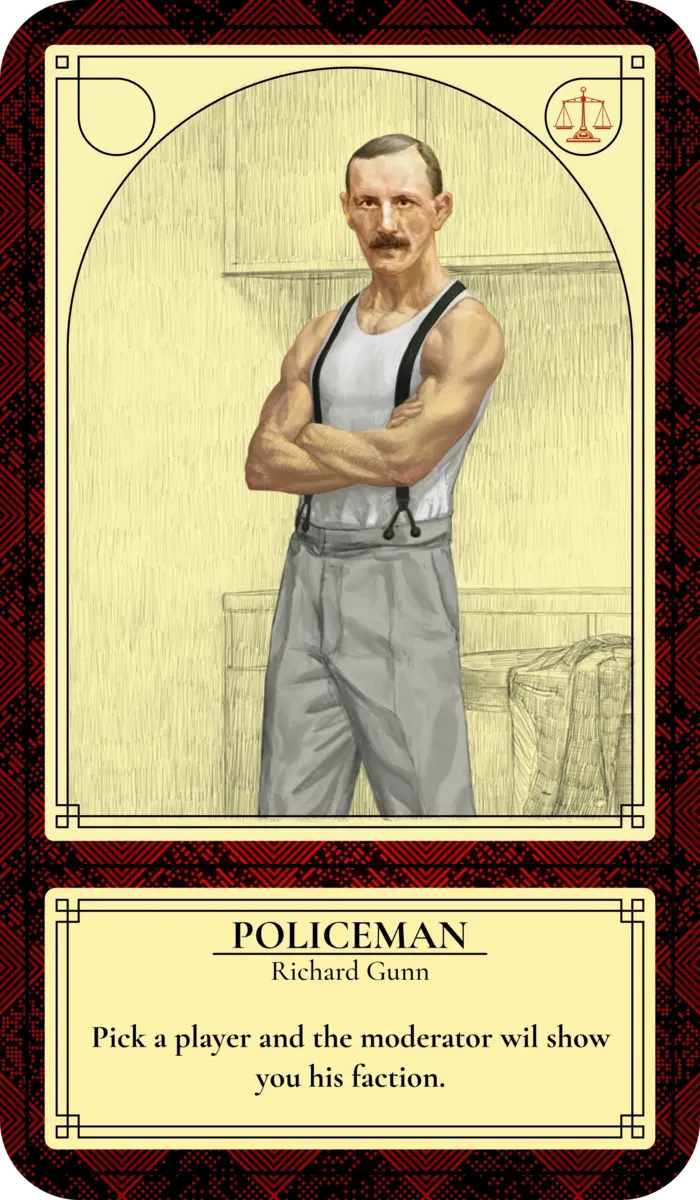
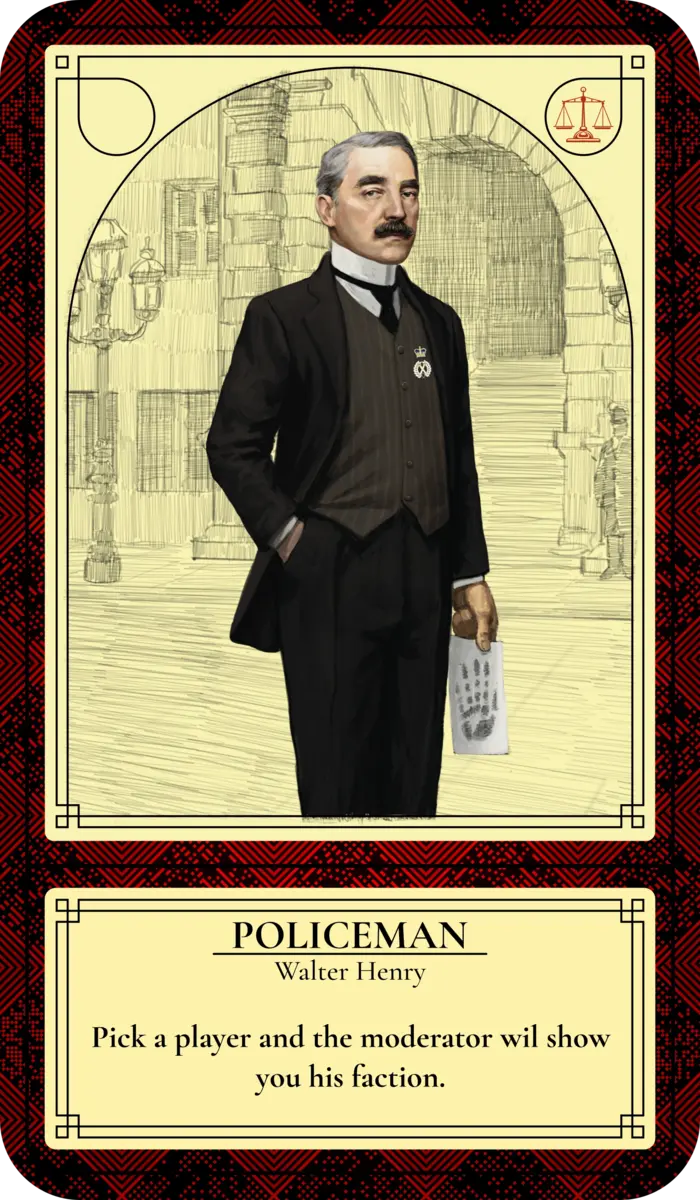
The gap that powers all of it is simple. The informed minority knows its own members; the majority does not. So every game in the family plants a controlled leak — a Seer, a Policeman, a Merlin, a camera in Admin — that gives the majority just enough truth to have a chance, and gives the minority someone specific to hunt.
One design choice splits the family: what happens to the people who get caught, or killed. Classic folk Mafia votes players out of the round. Mafia: The Final Witness keeps the dead listening, then gives them a collective vote at the last lynching. The Resistance and One Night Ultimate Werewolf keep everyone in until the end. Blood on the Clocktower lets the dead keep talking. All of those approaches work — what happens after a death is a design choice, not what makes a game a social deduction game.
If you want night and day as this deck runs them — deal, night, dawn, trial — read how to play mafia. This page is about the wider family of games around it.
Where social deduction games come from
The family is older than any box. Parlour games like wink murder set the pattern — a killer hidden in the room, a table trying to name them. Hoax put hidden characters onto cards in 1981. Then, in 1986, Dimitry Davidoff built Mafia at Moscow State University as a psychology experiment, chasing two questions at once: how does a majority catch a lying minority, and how does that minority survive?
The village reskin became Werewolf. Ultimate Werewolf and The Werewolves of Millers Hollow put that version in a box. The Resistance, in 2009, threw out the moderator and the graveyard. Avalon added Merlin. Secret Hitler, in 2016, put the argument in a cabinet. Among Us launched in 2018 and became huge in 2020, when the meeting became an emergency button. Blood on the Clocktower, in 2022, made the Storyteller a performance. Television followed. The Traitors is Mafia with better lighting.
In 2014, Matt Casey wrote that every social deduction game since Mafia draws at least some of its inspiration from that first table. Mafia: The Final Witness is that first table as an object you can deal: printed faces, two teams, a moderator, a night that can kill, and a day of talk and votes.
The 7 best social deduction games
These are ranked for a room that wants to lie and catch lies. Table score is that ranking, out of ten. Community is the public BoardGameGeek average, or Steam flattened to the same scale, rounded to one decimal. Mafia sits at number one on this page because it is the social deduction game the rest of the list is answering, and because this site publishes that game as a deck. The other six are what people actually play next.
Mafia: The Final Witness
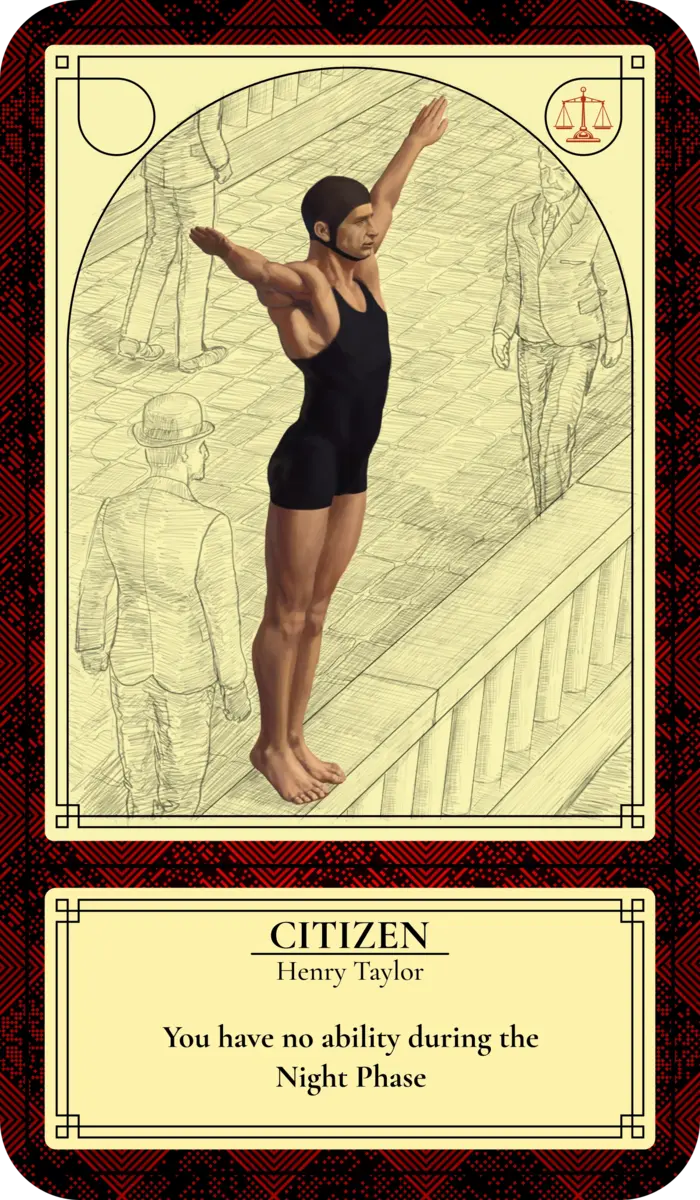
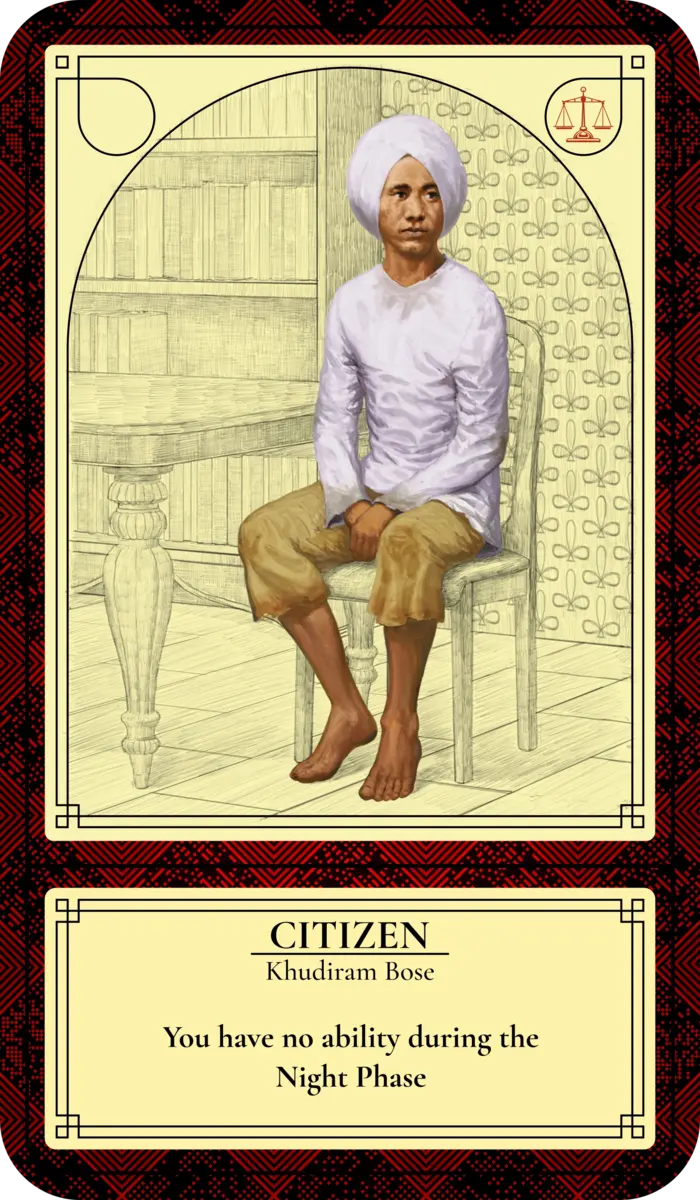
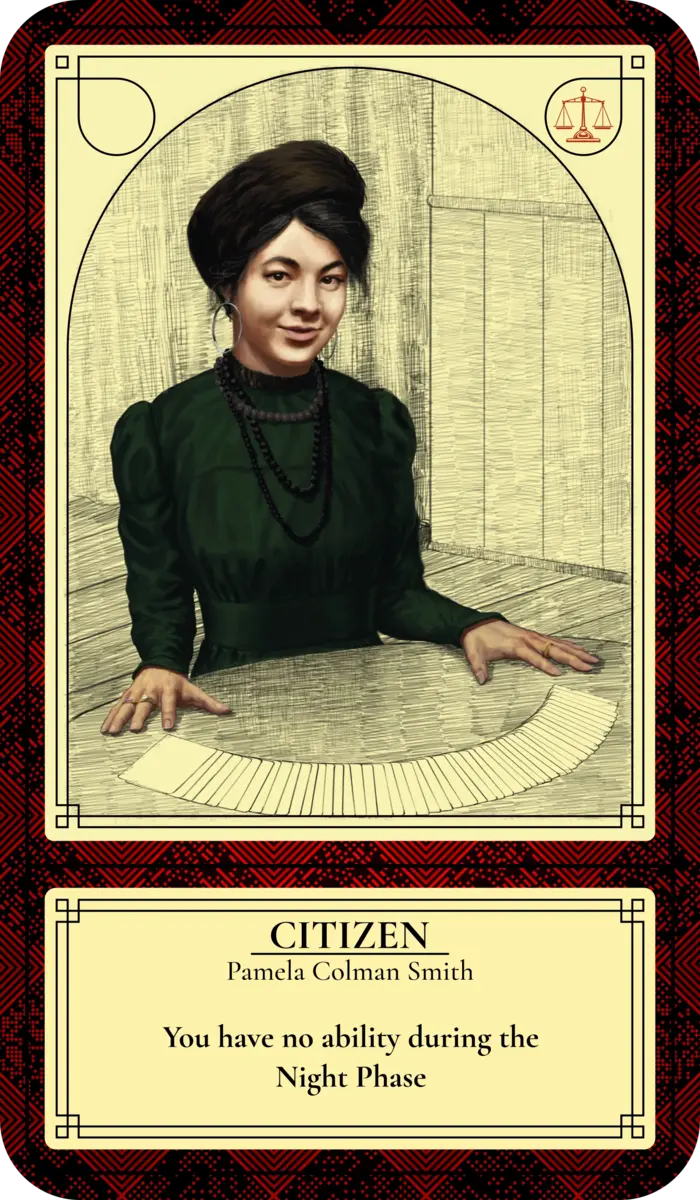
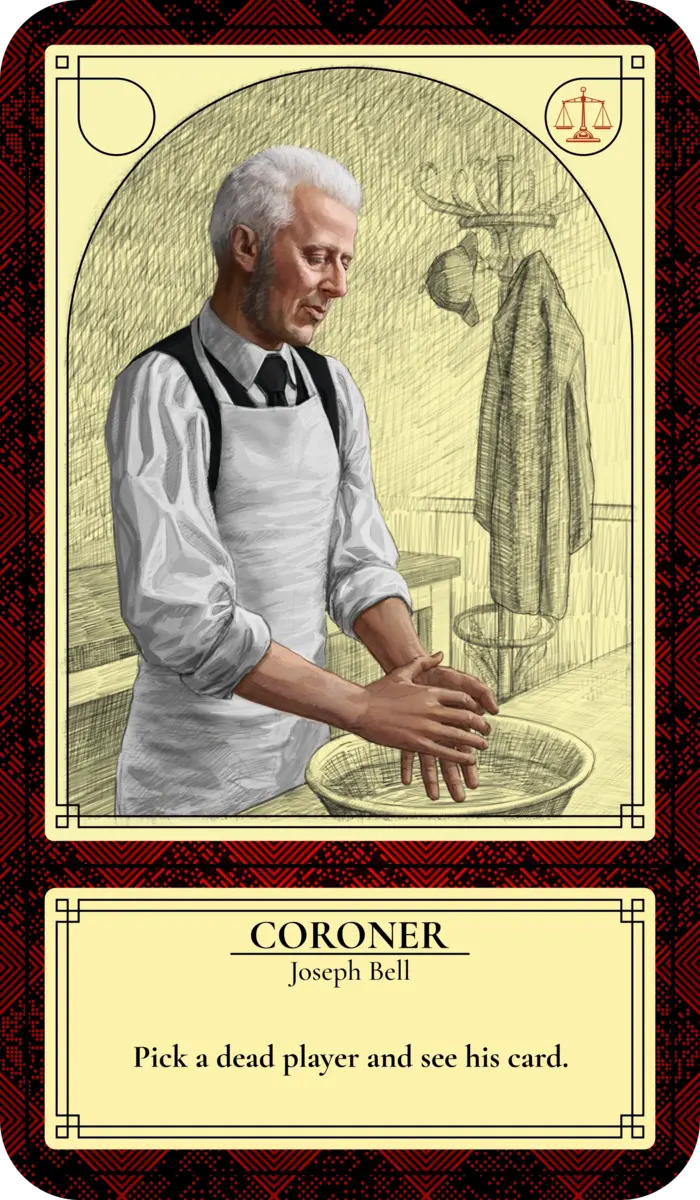
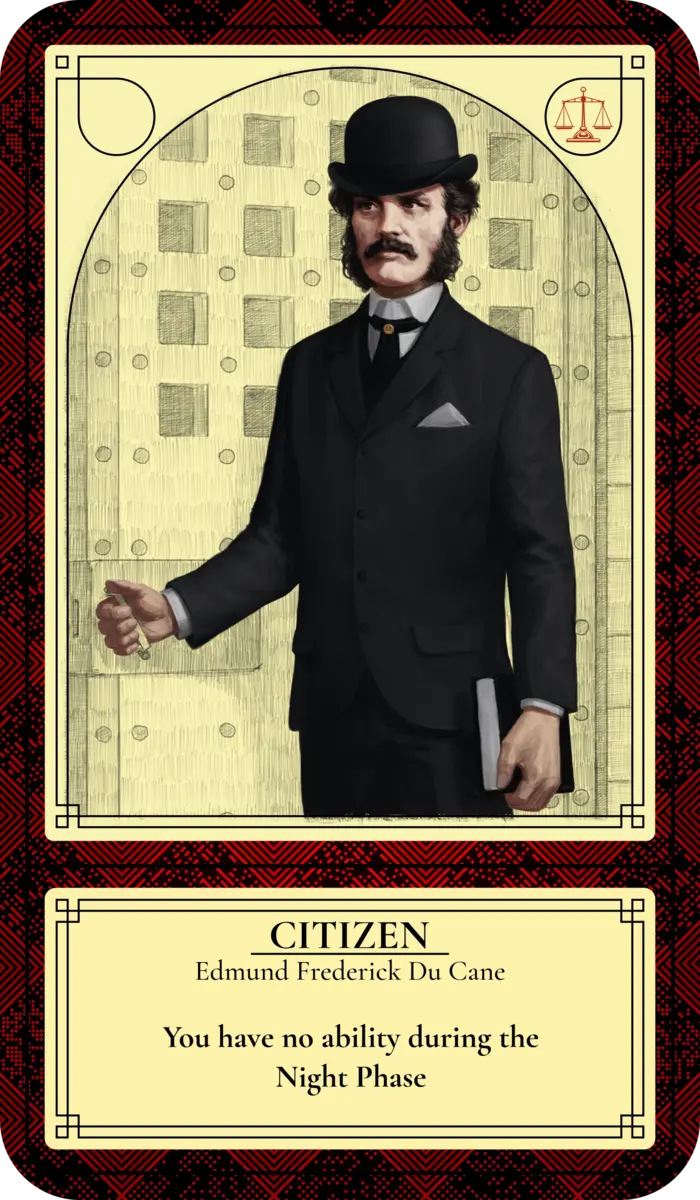
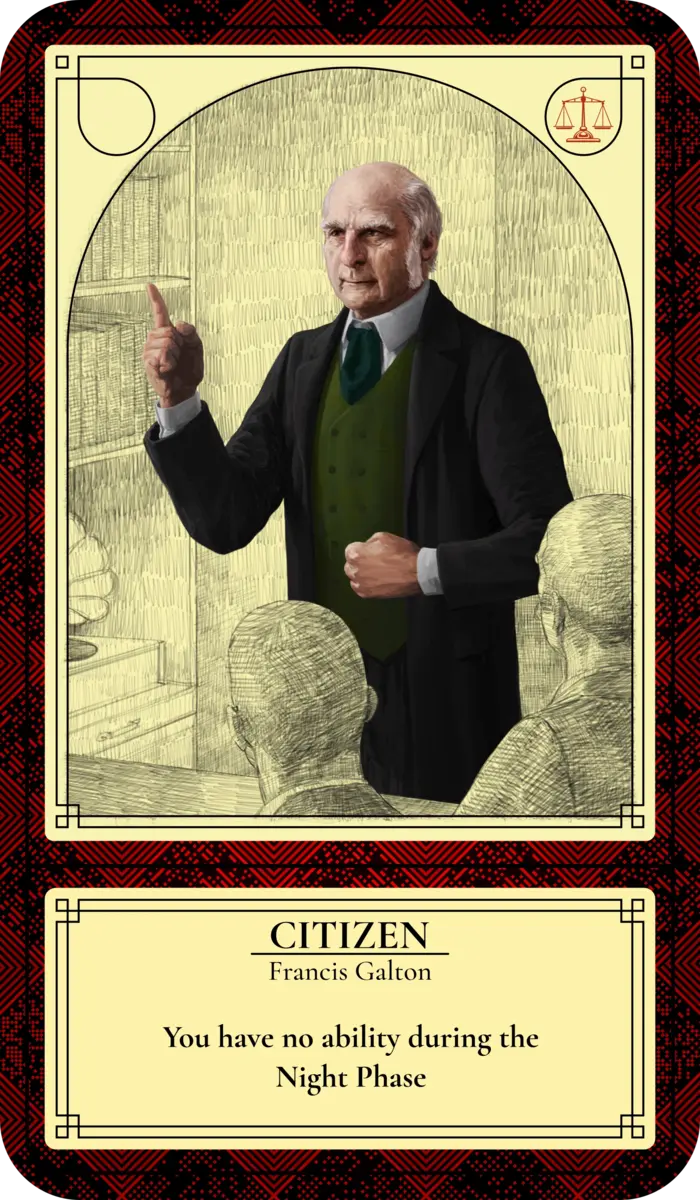
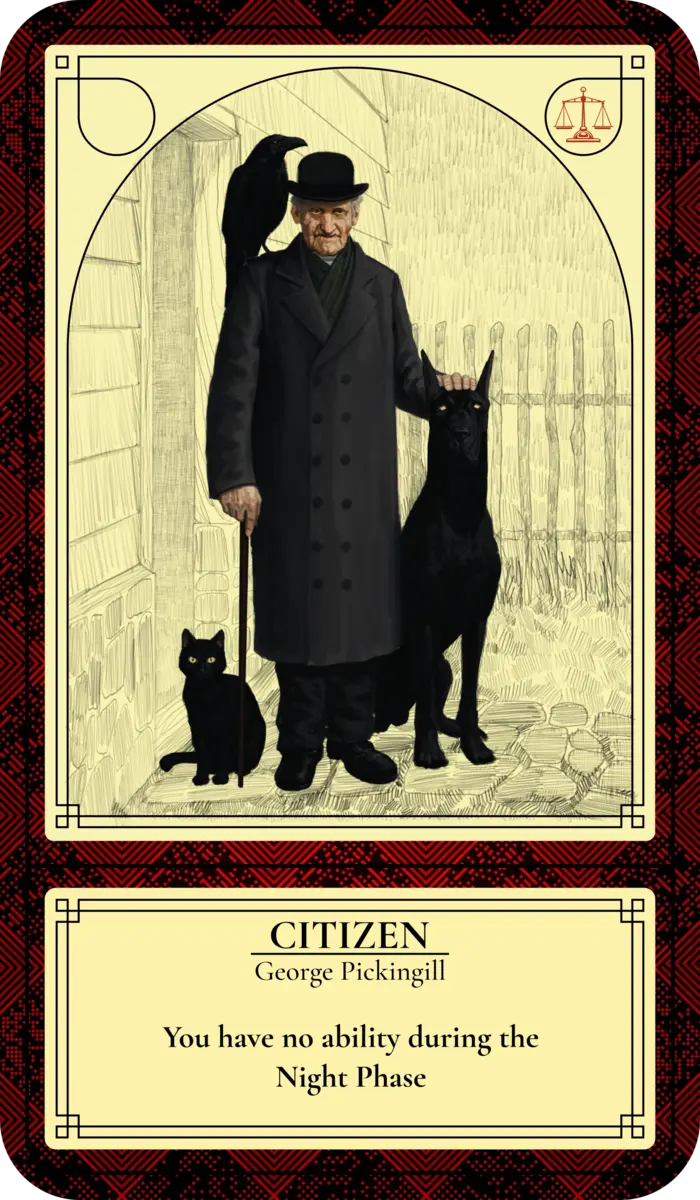
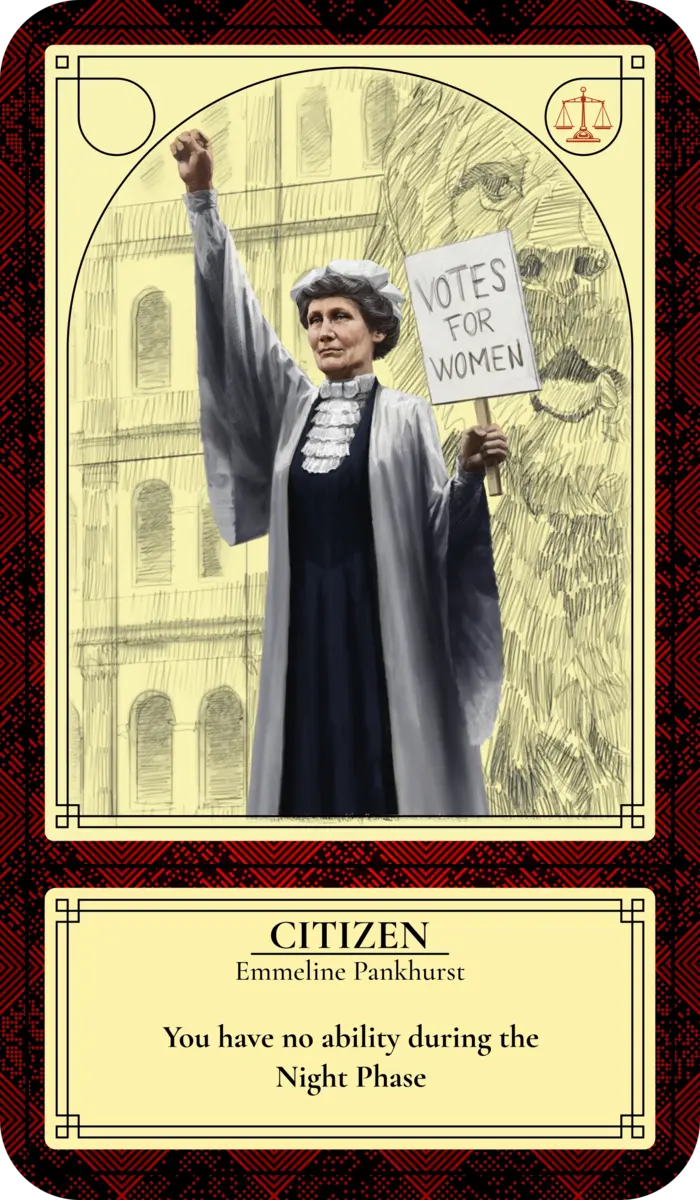
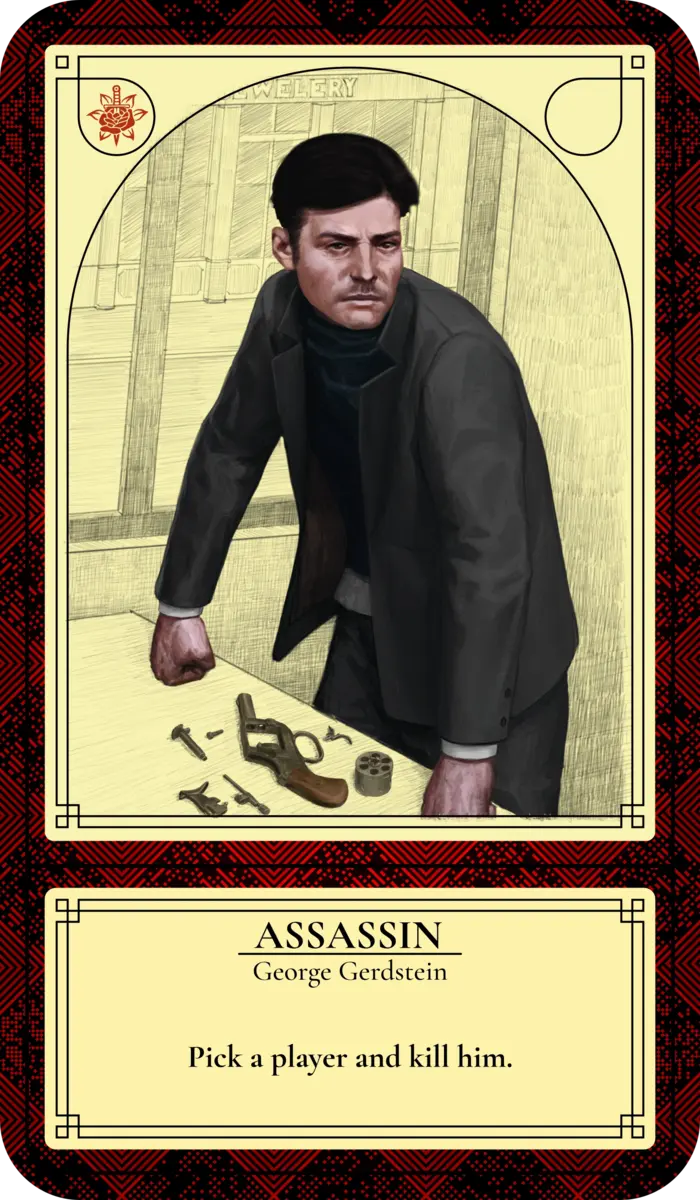
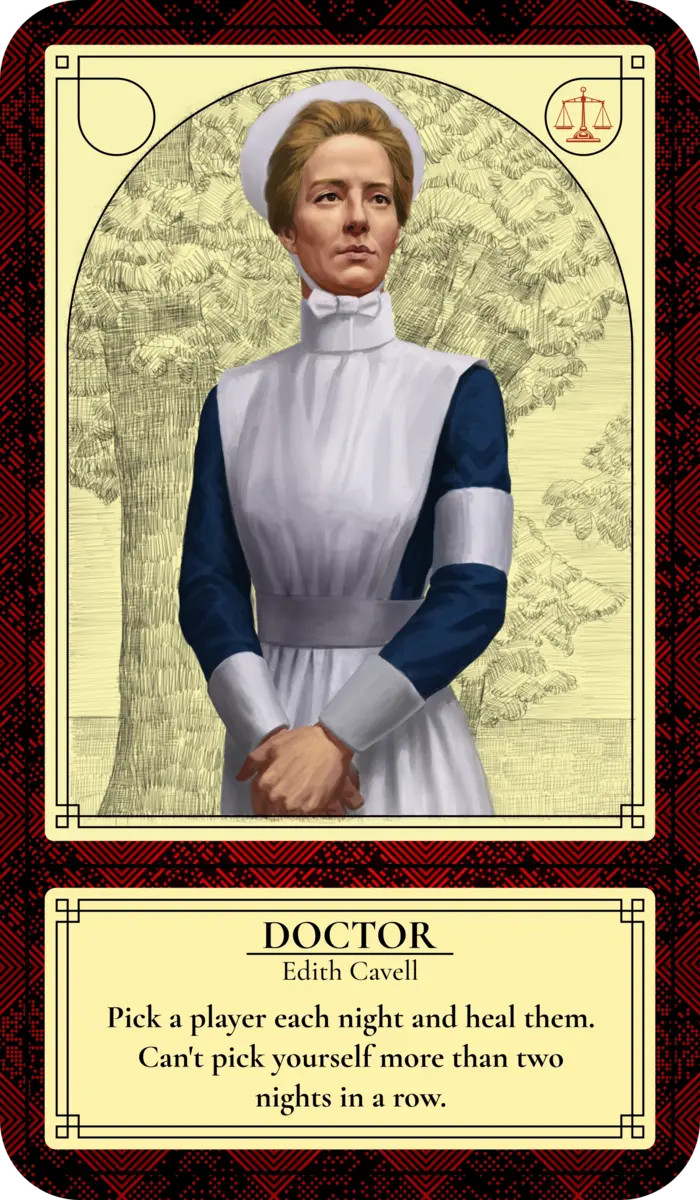
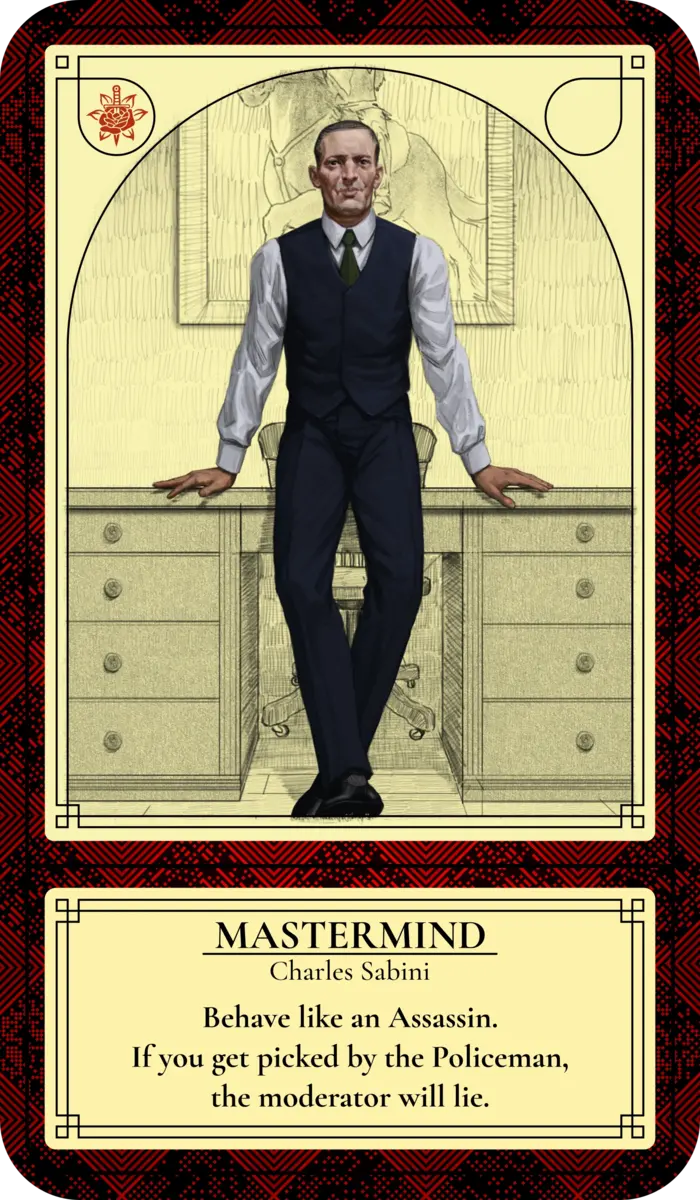
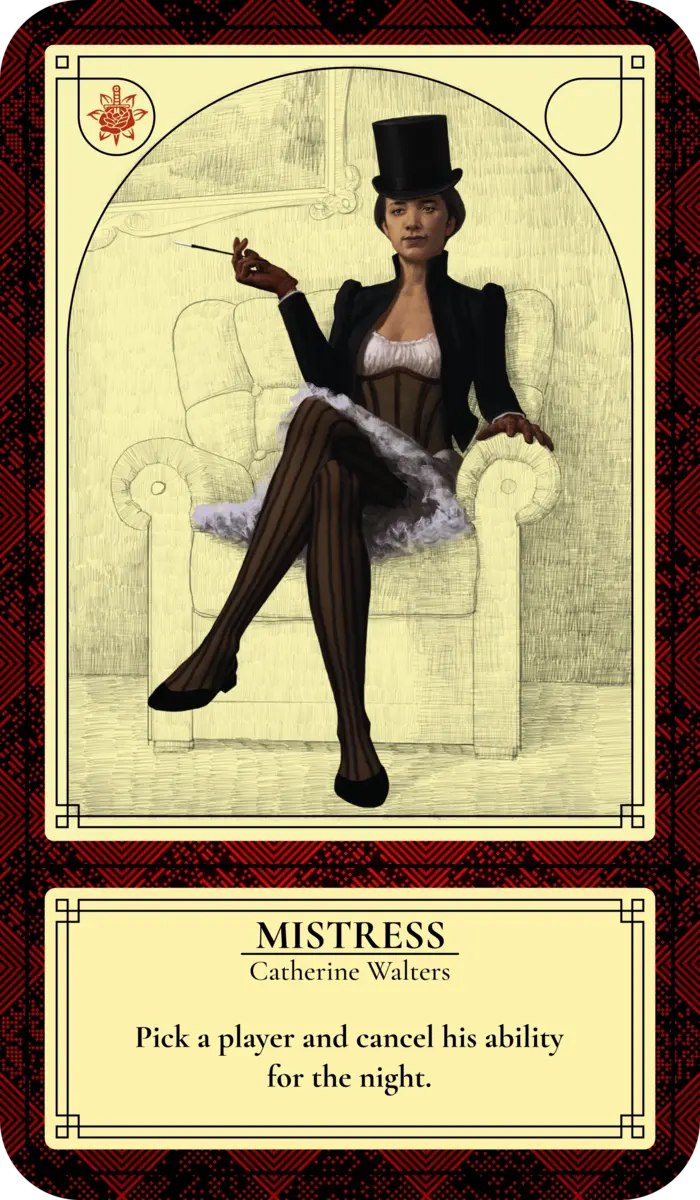
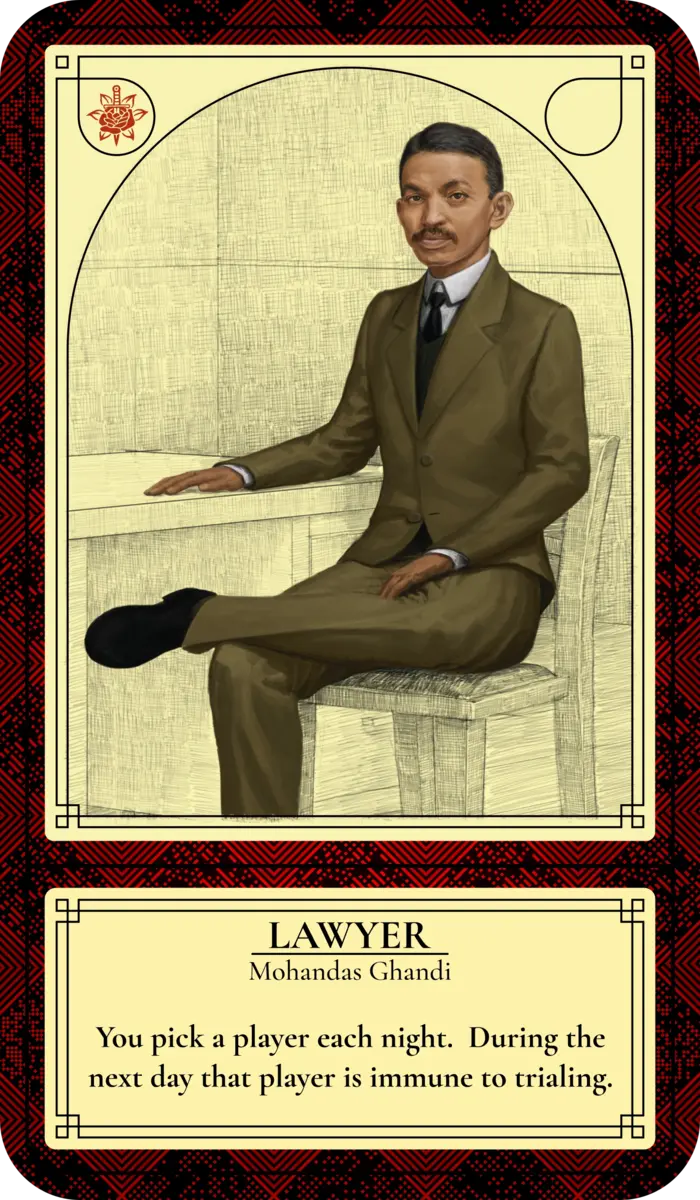
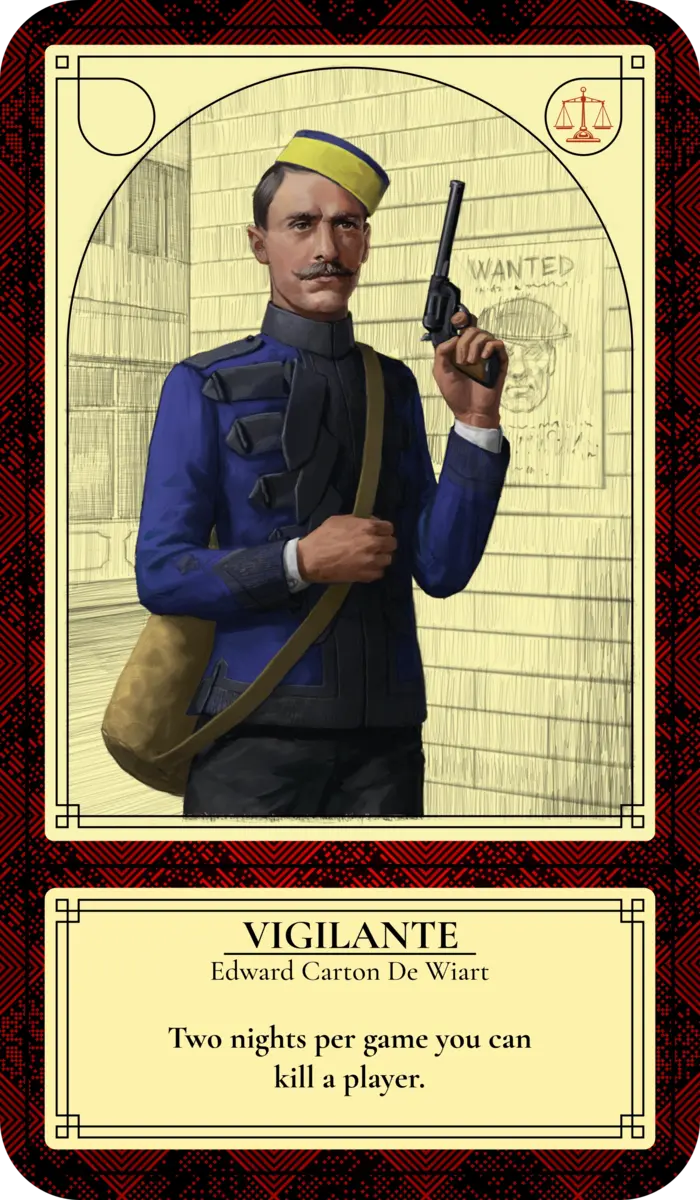
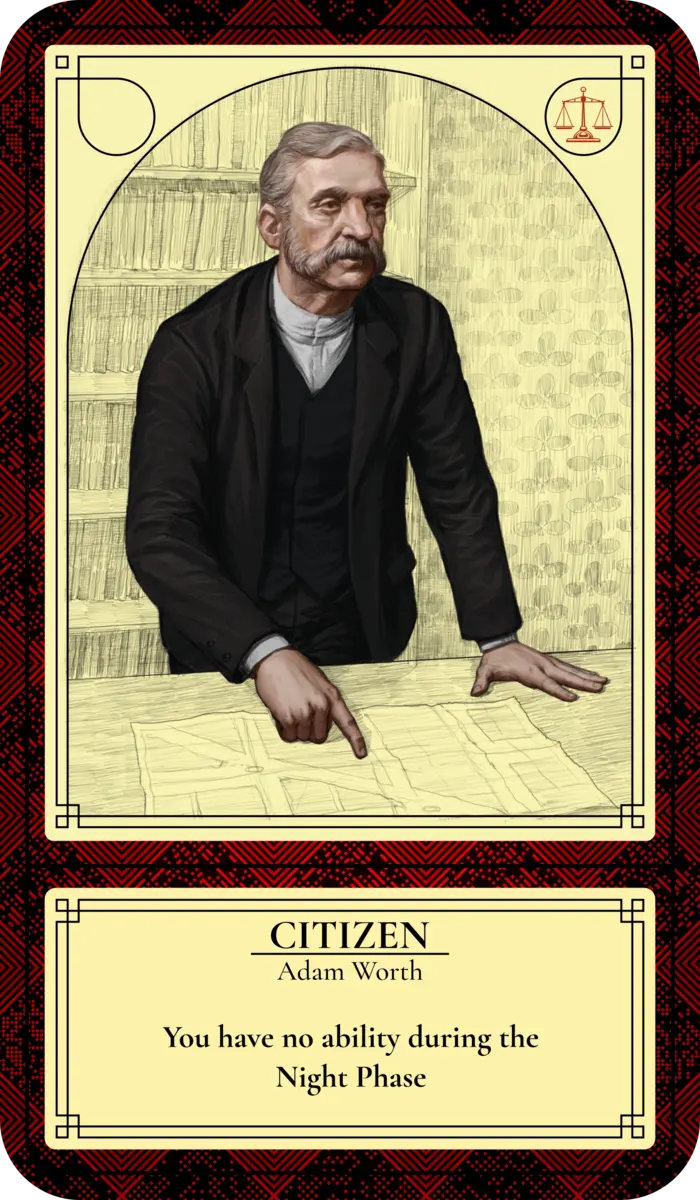
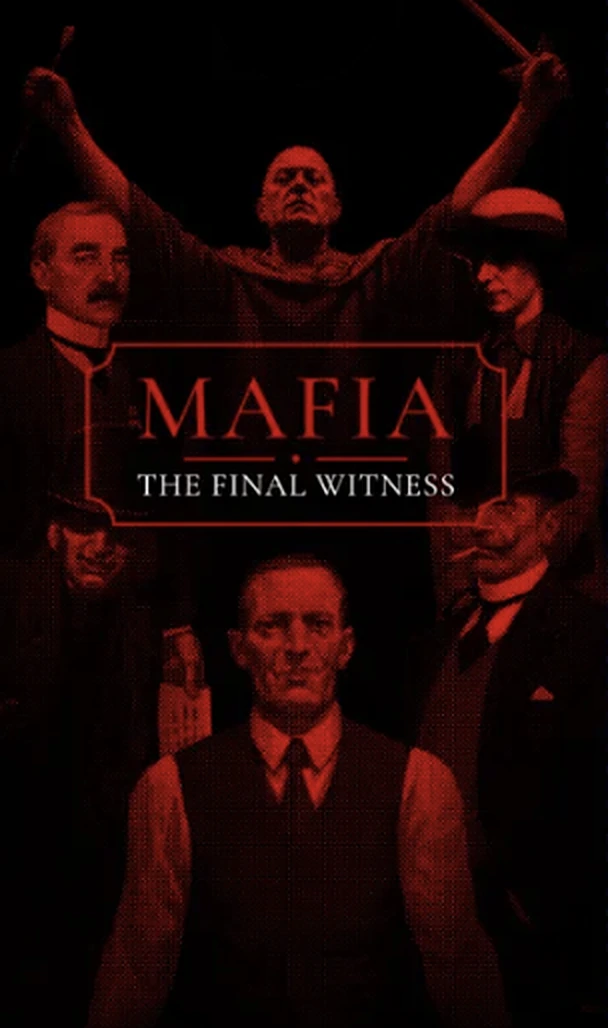
Mafia is the social deduction game every other title on this list is answering. Each player gets a hidden card — most of the table is City, a hidden few are Mafia, and only the Mafia knows who is who. At night a few roles wake up in secret to kill, save, or investigate. By day the whole table talks, accuses, and votes. Mafia: The Final Witness is that game as a published deck: two teams, a host, characters drawn from real people, and a London setting in 1900. You deal the cards, close your eyes, and play until one side takes the table.
Blood on the Clocktower
Blood on the Clocktower is a larger, slower descendant of Mafia. One person is the Storyteller. Everyone else gets a unique character. When you die you still play, which changes how people talk. Groups that own it often treat a session as a whole evening. It costs more than a card deck, and it wants a host who already likes running a room. On BoardGameGeek it sits near the top of the hobby list — about 8.3 from tens of thousands of logs. If you already like night and day and want a bigger engine around them, this is the next step up.
Official siteSecret Hitler
Secret Hitler is liberals versus fascists in a failing parliament. The informed minority know each other. Hitler often does not. The table elects governments, passes policies, and argues about who just handed power to whom. Nobody needs a moderator, and nobody is voted out of the game for the evening. The community average sits around 7.5 on BoardGameGeek. The theme is strong, and some rooms will not play it. Avalon is the same family of game with knights instead of cabinets.
Official siteThe Resistance: Avalon
Avalon is Don Esbenson’s Resistance with Arthurian roles. Teams go on quests. Hidden spies try to fail those quests. Merlin knows who the evil players are and has to hint without getting caught. Nobody sits out. A round is about half an hour. BoardGameGeek parks it near 7.5 with a huge rating count. If you want social deduction games without a moderator, and without voting people out of the evening, this is a good pick.
BoardGameGeekAmong Us
In Among Us, crewmates do tasks while impostors kill and move through vents. Emergency meetings are the talking part of the game, with a spaceship skin. Innersloth’s game took a parlour game onto phones and streams. Steam and console reviews sit in the high “very positive” band — about 8.1 if you flatten that to a ten. It is often the first title people mean when they search for social deduction games and have never sat down to a Mafia table.
InnerslothOne Night Ultimate Werewolf
Bézier Games compressed Werewolf into a single night and a single vote. Roles can swap. An app calls the dark, so you do not need a human moderator. Everyone plays until the vote. Ten minutes, then you can deal again. BoardGameGeek averages about 7.0 — people like it as a short filler, not as a long campaign. If your room will not sit still for a full Mafia game, this is a smaller dose of the same idea.
Bézier GamesCoup
Coup is a tight bluff game from Indie Boards & Cards. You claim a role so you can tax, steal, or kill. Anyone can call the bluff. Last influence standing wins. There is no village, no moderator, and no night. It plays two to six people. The community rating hovers around 7.0. Put it out when you do not have eight players and you still want a game where someone has to lie.
BoardGameGeekSocial deduction games compared
| Game | Players | Time | Moderator | Elimination | Table | Community |
|---|---|---|---|---|---|---|
| Mafia: The Final Witness | 6–27 | 30–90 min | Yes | Soft — dead still listen, then vote | 9.4 | — |
| Blood on the Clocktower | 6–21 | 60–120 min | Yes | Soft — ghosts still play | 8.8 | 8.3 |
| Secret Hitler | 5–10 | 45 min | No | No | 8.2 | 7.5 |
| The Resistance: Avalon | 5–10 | 30 min | No | No | 8.1 | 7.5 |
| Among Us | 4–15 | 10–20 min | No | Yes | 8.0 | 8.1 |
| One Night Ultimate Werewolf | 3–10 | 10 min | App | No | 7.6 | 7.0 |
| Coup | 2–6 | 15 min | No | Yes (influence) | 7.4 | 7.0 |
Community figures are BoardGameGeek averages as commonly reported in 2026 round-ups (Blood on the Clocktower ~8.3, Secret Hitler ~7.5, Avalon ~7.5, One Night ~7.0, Coup ~7.0). Among Us is Steam and console sentiment on the same ten-point scale. Mafia has no single BoardGameGeek listing that matches this deck — the folk game is free, and Mafia: The Final Witness printing is the object we sell.
How to pick a social deduction game
Eight or more, in a room
Play Mafia. Deal The Lamp and the Lancet. You need a moderator and people who can sit still with their eyes shut. That is this family of games at full size: hidden cards, a night, and a day of talk.
Five to ten, no one sitting out
Choose Avalon or Secret Hitler. The tension is missions and policy, not voting someone out of the evening. Everyone plays until the last card. Pick Avalon if the cabinet theme will sour the night.
About ten minutes
One Night Ultimate Werewolf is the short version of the village game. Coup is better if the table is only a few people. Both are loud, then you deal again.
Online, or a stream
Among Us. The meeting is the talking half. The vent is the hidden half. A lot of people learned the word “sus” from this game before they ever heard of Mafia. If you want Mafia itself on a screen, Mafia Game Online plays it in a browser with friends, strangers, or AI players.
Two more matches worth naming. If you want a dedicated hobby night with a Storyteller and two full hours, that is Blood on the Clocktower. And if you want a published Mafia deck — historical faces, two teams, and a last vote from the dead — that is Mafia: The Final Witness.
FAQ
What is a social deduction game?
A social deduction game is a game where hidden roles or hidden teams are the puzzle, and talking is how you solve it — or how you hide. Mafia, Werewolf, Among Us, Avalon, and Secret Hitler are the names people usually mean.
What was the first social deduction game?
Hoax, from 1981, is an early card version. Mafia, from 1986, is the one that stuck. Dimitry Davidoff made it in Moscow: town versus killers, night and day. Werewolf is that same game in a village costume.
Are Mafia and Werewolf the same?
They are the same game with a different coat. A town tries to find an informed killing minority. There is a night of secret action, then a day of accusations and a vote. This site's deck, The Final Witness, is City versus Mafia, faces drawn from real history, and a required moderator.
Do social deduction games need a moderator?
Mafia and Werewolf usually do. The Resistance, Avalon, Secret Hitler, Coup, and Among Us do not. One Night Ultimate Werewolf uses an app. Blood on the Clocktower wants a Storyteller. If you have a host who likes to run a room, play Mafia.
What is the best social deduction game for a large group?
Mafia scales well. So does Blood on the Clocktower. Among Us can take fifteen people on a server. Avalon and Secret Hitler cap near ten. Coup wants six or fewer.
Is Among Us a social deduction game?
Yes. Hidden impostors, public meetings, and a vote to eject. It is Mafia with tasks and vents. The 2020 wave is why a lot of people land on the phrase social deduction games.
Is The Traitors a social deduction game?
The television format is Mafia with producers: a faithful majority, a hidden minority, banishments by day, and murders by night. The board and card games on this list are the version you can deal without a film crew.
How do you play mafia?
Deal hidden cards. At night everyone closes their eyes, some roles wake, and someone may die. By day the living accuse and vote. Keep going until City or Mafia wins. You can read the full steps on how to play mafia.
Play one
That is the genre: what social deduction games are, how they run, and the seven titles people keep naming. None of it means much until someone at your table lies to your face and you catch them — or you don't. If you have a real room and a deck of large cards, start with Mafia. For the village game and its closest cousins, open games like Werewolf. For table games about reading people, including titles with no traitor, open psychology games.